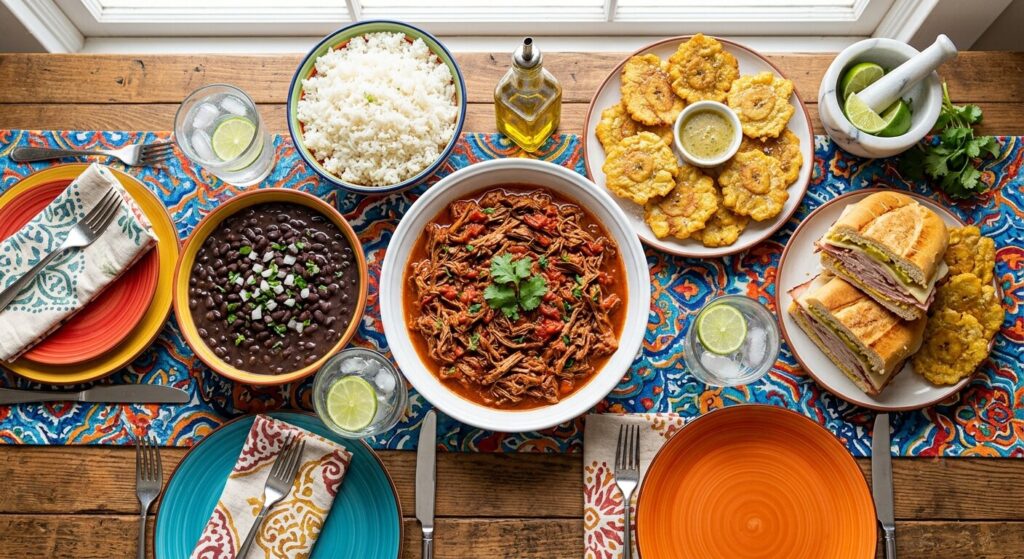
Craving the smoky, citrus-bright, garlic-forward tastes of Havana without the all-day simmer? You are not alone. Many home cooks assume Cuban food requires a trip to a specialty market, an entire afternoon of braising, or a grandmother’s secret notebook passed down for generations.
It simply doesn’t.
After countless hours in the kitchen breaking down classic Cuban techniques, I have found that the cuisine’s magic lies in its repeatable simplicity: a quick sofrito, a sharp citrus marinade, and the confident hand of a cook who knows that most of these dishes are just variations on a brilliant theme. Using a pressure cooker for traditionally slow dishes, fresh citrus, and ordinary supermarket staples, easy Cuban recipes at home are not only achievable — they can become a regular part of your weeknight rotation.
Why Cuban Cooking Is More Beginner-Friendly Than You Think
Cuban cuisine is often lumped in with the highly complex, labor-intensive styles of Latin American cooking, but its foundation is surprisingly streamlined. Almost every savory dish builds from the same core elements:
- Sofrito — a sautéed base of onion, garlic, and bell pepper
- Citrus — sour orange (or a simple lime‑orange blend) provides the essential brightness
- The Holy Trinity of Spices — cumin, dried oregano, and bay leaf create warmth and depth
- Rice & Beans — the near-universal canvas for every stew and protein
Understanding this pattern reveals a brilliant truth: most Cuban recipes are variations on a single structural equation. Master the sofrito and the mojo marinade, and you have unlocked 80% of the entire cuisine. The other 20% is learning the specific timing for rice, beans, and plantains.
Essential Pantry for Easy Cuban Recipes at Home
Before you fire up the stove, stock these ingredients. You do not need a trip to Little Havana — most large US supermarkets carry them in the international or produce aisle.
| Ingredient | Why It’s Essential | Best Substitute |
|---|---|---|
| Sour Orange (Naranja Agria) | The backbone of mojo marinades | 3 parts OJ + 1 part lime juice + pinch of lemon zest |
| Fresh Garlic | Cuban cooking uses more than you think — 6 cloves is a minimum for most dishes | Pre-minced in a jar in a pinch (use double the amount) |
| Cumin, Oregano, Bay Leaf | The trio that defines the savory backbone | No substitute; these are non-negotiable |
| Black Beans (Dried or Canned) | A side dish and a meal component | Goya brand is widely available and excellent |
| Long-Grain White Rice | The daily companion to almost everything | Jasmine vs. Regular: Cuban style prefers slightly starchy but separate grains |
| Green & Ripe Plantains | Used for both savory tostones and sweet maduros | Found in almost any US supermarket produce section |
| Cuban Bread or Crusty Italian | Required for authentic Cubano sandwiches | French bread or a good Italian loaf works perfectly |
Having these on hand means you are always just a few steps away from a Cuban feast.
Equipment That Makes a Difference
Specialized tools are not strictly required, but a few items will vastly improve your results:
- Heavy Dutch Oven or Large Skillet — for searing meat and building deep caramelization in your sofrito
- Pressure Cooker (or Instant Pot) — cuts the cooking time of Ropa Vieja from 3 hours to 45 minutes
- Tostonera (or Flat Bottom of a Glass) — makes smashing plantains uniform and easy
- Panini Press or Heavy Cast-Iron Skillet — the weight is crucial for pressing a proper Cuban sandwich
A mortar and pestle for crushing garlic and cumin together is optional but fun.
The 10 Easy Cuban Recipes at Home
1. Ropa Vieja (Shredded Beef in Tomato Sofrito)
The national dish of Cuba. Its name translates to “old clothes,” referencing the beautiful shredded texture of the beef. This dish takes patience traditionally, but a pressure cooker transforms it into an easy weeknight meal.
The Process:
- Sear — Season and sear flank steak (or skirt steak) until deeply browned.
- Sofrito — Sauté onions, bell peppers, and a generous amount of garlic.
- Pressure — Deglaze with a splash of dry white wine, add tomato sauce, cumin, oregano, and bay leaves. Pressure cook for 40–45 minutes.
- Shred & Simmer — Shred the beef, return it to the sauce, add green olives (stuffed with pimento) and a splash of cider vinegar. Simmer uncovered for 10 minutes to thicken.
The Mistake to Avoid: Not searing the meat properly. Deep browning creates the beefy flavor that defines the sauce. A classic pot roast technique applies here — low and slow or high pressure works best.
 Ropa Vieja is the ultimate test of a good sofrito. The longer the sauce simmers with the shredded meat, the deeper the flavor.
2. Cuban Black Beans (Frijoles Negros)
Great Cuban beans are about layering, not just boiling. The trick many recipes skip is incorporating the sofrito directly into the cooking process.
- Sauté the classic sofrito (onion, garlic, green pepper) in a neutral oil until deeply fragrant.
- Add your cooked beans (or well-rinsed canned beans), a pinch of cumin, oregano, bay leaf, and a splash of white vinegar.
- Simmer for 25–30 minutes. The beans should be creamy in their own broth.
- Secret Step: Take a ladleful of beans, mash them against the side of the pot, and stir back in. This natural creaminess is the signature of a great home cook.
3. Cuban White Rice (Arroz Blanco)
“Simple” does not mean “unimportant.” Proper Cuban rice is fluffy, individual grains, never sticky.
The Technique:
- Rinse obsessively — Rinse the rice in a fine mesh strainer until the water runs crystal clear. This removes the surface starch.
- Toast — Sauté the rinsed rice in a tablespoon of oil (or rendered pork fat for authentic flavor) until the grains become translucent.
- Water Ratio — Use a 2:1 ratio of water to rice.
- Don’t Peek — Bring to a boil, reduce to a low simmer, cover tightly, and cook for 18–20 minutes. Lift the lid once at the end to check. Turning off the heat and letting it rest for 5 minutes is the finishing touch.
4. Cuban Sandwich (Sandwich Cubano)
The ultimate pressed sandwich. This isn’t just a list of ingredients; it’s a recipe for perfect textural harmony. A common mistake is to bake it rather than press it.
Layer, in order, on halved Cuban bread:
- Yellow mustard (rub on the bottom slice)
- Swiss cheese
- Roasted pork (cubed or sliced)
- Sliced ham
- Dill pickles (crisp, kosher dill)
Press in a greased panini press or skillet weighed down with another heavy skillet. The goal is a flat, compact, griddle-crisp sandwich where the cheese is oozing and the pickle is warm. The pressing step is non-negotiable — it transforms a simple ham and cheese into a cultural icon.
 A perfectly pressed Cubano is a study in textural balance: crisp bread, melted cheese, warm pickles, and savory pork.
5. Mojo-Marinated Pork (Lechon Asado)
Mojo is the soul of Cuban cooking. The bright, sharp garlic and sour citrus marinade tenderizes and seasons the pork.
Quick Mojo for Weeknight Cooking:
- ½ cup sour orange juice (or substitute)
- 6–8 cloves garlic, minced to a paste
- 1 tsp cumin
- 1 tsp dried oregano
- ½ cup olive oil
- Salt and pepper
Marinate a 1.5‑lb pork tenderloin or shoulder steaks for 30 minutes (or overnight). Sear in a screaming hot cast‑iron pan until charred on the outside, then transfer to a 400°F oven until it reaches the safe internal temperature recommended by the USDA. Let rest for 5 minutes before slicing.
Pro Tip: The marinade doubles beautifully as a basting sauce for grilled chicken.
6. Cuban-Style Picadillo
Picadillo is the 20‑minute masterpiece of Cuban home cooking. It is the very definition of a reliable weeknight dinner.
- Brown 1 lb of ground beef.
- Add sofrito (onion, garlic, green pepper).
- Stir in tomato sauce, a handful of golden raisins, and pimento-stuffed green olives.
- Simmer 15 minutes.
The sweet‑salty‑savory combo (raisins + olives + tomato) is distinctly Cuban. Serve it over fluffy white rice. You can also try this using ground chicken for a lighter version.
7. Tostones (Twice-Fried Green Plantains)
The definitive savory side dish. The double‑fry is the crucial technique.
- Cut green plantains into 1‑inch thick rounds.
- First Fry: Fry in 350°F oil until golden and tender.
- Smash: Drain and smash flat using a tostonera or the base of a heavy glass.
- Second Fry: Fry again until crispy and golden brown.
- Season: Immediately sprinkle with flaky sea salt.
Pro Tip: A pinch of garlic powder in the salt is a game changer. You can also cook the second fry in an air fryer for a lighter result.
8. Maduros (Sweet Fried Plantains)
The polar opposite of tostones. You need fully ripe, black plantains — the skin should be almost entirely black.
- Slice the plantain diagonally into ½‑inch thick ovals.
- Pan fry in a little oil over medium heat until deeply caramelized on both sides.
- The natural sugars create a sticky, sweet, completely addictive side dish.
Maduros are the perfect sweet‑and‑savory counterpoint to salty dishes like Ropa Vieja or Lechon Asado.
9. Cuban-Style Chicken and Rice (Arroz con Pollo)
The ultimate one‑pot meal approach. Everything cooks in a single pot, absorbing the same incredible flavors.
Method:
- Brown chicken thighs (skin‑on for flavor).
- Sauté sofrito in the same pot.
- Add long‑grain rice, a pinch of bijol (or turmeric for color), and chicken broth.
- Nestle the chicken pieces back in.
- Cover and simmer until the rice is tender and the chicken is falling apart.
The beauty is pure efficiency: a deeply flavorful, balanced meal with minimal cleanup.
10. Cuban Flan
A perfect, elegant dessert made from just a handful of ingredients.
The Two-Step Process:
- Caramel — Melt white sugar in a saucepan with a touch of corn syrup until it becomes a deep amber liquid. Pour it into the bottom of your flan mold.
- Custard — In a blender, combine eggs, condensed milk, evaporated milk, and vanilla. Blend smooth. Pour over the caramel.
- Bake — Place the mold in a hot water bath (bain‑marie). Bake at 325°F until set but still jiggly in the center.
- Chill — Refrigerate for at least 4 hours. The caramel liquefies in the fridge, becoming a glossy, decadent sauce when inverted.
Making the flan a day ahead is the smart play — it needs the chill time and frees you up to focus on the rest of the meal.
Tips for Making Cuban Food Taste Authentic at Home
Authenticity is in the how, not just the what.
- Don’t Skimp on Sofrito Time — Sauté your onions and peppers until they are translucent and sweet. A rushed sofrito is a harsh sofrito. Let the garlic go in last to avoid burning.
- Season in Layers — Add salt and spices at the start of the sofrito, then again when you add the main liquid, and finally adjust at the end. Layering builds a much more complex flavor profile than a single dump of spices.
- Treat Your Marinade with Respect — Mojo needs time. An overnight marinade dramatically changes the texture and flavor of the meat due to the citrus’s enzymatic activity.
- Use Fresh Citrus When Possible — Bottled sour orange juice is a valid time‑saver, but freshly squeezed lime and orange juice will always taste brighter and more vibrant.
- Let It Rest — Cuban food, particularly stews like Ropa Vieja and beans, tastes significantly better the next day. The flavors need time to marry.
Common Mistakes to Avoid
- Rushing the Rice — Rinsing the rice is rule #1. Lifting the lid to check on it is mistake #1.
- Charring Your Plantains — Maduros are caramelized, not burned. Medium‑low heat is your friend. Tostones need a precise oil temperature; if the oil is too cool they absorb fat.
- Under‑Seasoning Canned Beans — Canned beans need a full 25–30 minutes of simmering with a fresh sofrito to taste anywhere near as good as homemade.
- Skipping the Press on the Cubano — This isn’t a preference; it’s the definition of the sandwich. The press merges the flavors and creates the essential crispy bread texture.
- Overcomplicating Dessert — Flan looks fancy but is incredibly simple. Do not skip the water bath (your custard will scramble) and do not rush the caramel (deep amber, not burnt).
How Cuban Flavors Compare to Other Latin Cuisines
If you are used to Mexican or Puerto Rican food, the context helps:
- Mexican — Heavy on complex chiles and direct spice heat. Cuban cuisine has almost none of this.
- Puerto Rican — Very similar base (sofrito, rice, beans) but Puerto Rican cooking leans heavily on tomato‑based sofrito and adobo for a different flavor profile. Cuban cooking is cleaner, sharper, and more citrus‑forward.
- Dominican — The “La Bandera” (The Flag) of rice, beans, and meat is very similar, but Dominican flavors tend to be simpler and less heavily sauced.
This “soft” flavor profile — garlic, cumin, citrus, no heat — is precisely what makes Cuban food so universally appealing as comfort food. The meals are built for warmth and balance, not intensity.
Meal Prep Tips for Easy Cuban Recipes at Home
Because so many Cuban dishes share a garlic-citrus-sofrito foundation, they are well‑suited to batch cooking:
- Make a Double Batch of Sofrito — Sauté a massive batch and freeze it in pre‑portioned ice cube trays. Pop a cube into a pan for instant flavor.
- Cook Black Beans in Bulk — A huge pot of beans on Sunday improves by Tuesday. They freeze perfectly and can become soup, a side, or a filling.
- Prepare the Mojo — The marinade keeps in the fridge for a week. Marinate your chicken or pork the night before.
- Flan is Your Best Friend — Make the flan on Sunday. It chills for the required time, and you have dessert ready for the entire week.
A single weekend prep session can fuel three or four easy Cuban dinners during the week.
Suggested Cuban Meal Plans
Beginner Dinner (Weeknight 25 minutes):
- Protein: Picadillo
- Starch: White Rice
- Side: Canned Black Beans (freshly seasoned with sofrito)
- Simple enough for a weekday meal plan.
Weekend Feast (Grande):
- App: Mariquitas (fried plantain chips)
- Main: Ropa Vieja or Lechon Asado
- Sides: Black Beans, White Rice, Tostones
- Dessert: Cuban Flan (made the day before)
- Drink: Classic Mojito or a strong Cortadito
Lighter Meal:
- Main: Mojo Chicken (using the same marinade as the pork)
- Side: Maduros
- Salad: Simple avocado and citrus salad
Frequently Asked Questions
What is the easiest Cuban dish to make at home? Picadillo is generally the easiest for beginners. It uses ground beef, a simple tomato-based sofrito, olives, and raisins, and comes together in about 20 minutes with no special equipment.
What ingredients do I need to start cooking Cuban food? The core ingredients are onion, garlic, bell pepper, cumin, oregano, bay leaf, sour orange (or an orange‑lime substitute), white rice, and black beans. These form the base of most traditional Cuban recipes.
Can I make Cuban food without sour orange? Yes. A mix of 3 parts orange juice to 1 part lime juice, plus a tiny pinch of lemon zest if you have it, closely mimics the flavor of sour orange (naranja agria).
What is sofrito and why is it important in Cuban cooking? Sofrito is a sautéed base of onion, garlic, and bell pepper (sometimes with tomato) used to build flavor in stews, beans, and rice dishes. It is considered the foundation of most savory Cuban recipes.
How do you make an authentic Cuban sandwich at home? Layer roasted pork, ham, Swiss cheese, mustard, and pickles on Cuban or Italian bread. Press it in a panini press or skillet until the bread is crisp and the cheese melts. Pressing is essential to the traditional texture.
What’s the difference between tostones and maduros? Tostones are made from green, unripe plantains that are fried twice and taste savory and crisp. Maduros are made from ripe, sweet plantains and are fried only once, resulting in a soft, caramelized texture.
Is Cuban food spicy? No. Traditional Cuban food is not spicy. It relies on garlic, citrus, cumin, and oregano for flavor rather than chili heat, making it approachable for those sensitive to spicy food.
What should I serve with Cuban black beans and rice? Cuban black beans and rice pair well with roasted or mojo-marinated pork, ropa vieja, picadillo, or arroz con pollo, along with a side of tostones or maduros for texture and balance.
What is the best cut of meat for Ropa Vieja? Flank steak or skirt steak are traditional and work perfectly in a pressure cooker. Brisket is also excellent for a longer, slower braise.
Final Thoughts
Cuban food has a reputation for being complicated, but most of its beloved dishes are built from a handful of repeating techniques: a good sofrito, a bright citrus marinade, and confident seasoning. Once those become second nature, easy Cuban recipes at home stop feeling like a special‑occasion project and start feeling like a normal Tuesday night option.
Start with one or two dishes — picadillo and rice is a great entry point — and build from there. Soon you will have a rotation of Cuban staples that feel as natural to cook as anything else in your weekly meal plan.
Which dish will you try first?