You bought a pack of chicken thighs expecting juicy, forgiving meat that won't break the bank. But standing in the kitchen, the options freeze you: bone-in or boneless? Skin-on or skinless? Oven, stovetop, or air fryer? Most recipes skip the real trade-offs, leaving you to guess which combination actually works for your night.
The truth is simple: the cut and method you choose changes everything—cook time, moisture, browning, cost, even how seasoning behaves. Get that match right, and you'll make a dish you want to repeat. Get it wrong, and you're ordering takeout again. You can also read our guide on easy weeknight dinners.
This guide breaks down every decision point so you can pick the right path for your time, tools, and taste goals.
Quick Answer: Which Chicken Thigh Recipe Wins Tonight?
The best chicken thigh recipe depends on your priority right now.
- For maximum flavor and crispy skin: Bone-in, skin-on thighs roasted at 425°F for 40 minutes.
- For the fastest dinner (under 25 minutes): Boneless, skinless thighs pan-seared or air fried at 400°F for 18–22 minutes.
- For a balanced compromise: Boneless, skin-on thighs roasted at 400°F for 25–30 minutes—more flavor than skinless, faster than bone-in.
- For big-batch meal prep: Bone-in, skin-on thighs roasted at 400°F for 40 minutes. They reheat beautifully.
Why the Cut and Method Actually Matter
Chicken thighs are dark meat, which means they contain more fat and connective tissue than breasts. That natural fat makes them juicier and harder to overcook. But the specific cut—bone-in versus boneless, skin-on versus skinless—shifts every variable in the kitchen.
According to USDA nutrient data, skin-on thighs contain about 50 percent more fat than skinless. That extra fat keeps meat tender during long cooking and helps skin crisp under high heat. Boneless thighs, on the other hand, cook in about half the time of bone-in, making them ideal for weeknight speed but trickier to render properly. You can also read our guide on healthy rotisserie chicken recipes.
Cooking science from the University of Minnesota Extension confirms that bone-in thighs can handle braising, roasting, and grilling without drying out. Boneless thighs excel in stir-fries, curries, and sheet-pan meals where even cooking matters. The wrong pairing—using boneless thighs for a slow braise, for example—can leave you with dry, stringy meat despite the extra fat.
The lesson: aligning cut to method beats random recipe picking every time. Our collection of quick weeknight meals can help you match the right cut to a busy schedule. You can also read our guide on chicken dinner ideas.
Bone-In vs. Boneless: The First Fork in the Road
This decision changes everything downstream. Here's how they stack up.
Bone-In Skin-On Thighs
- Flavor: Higher—the bone and marrow release richness during cooking.
- Forgiveness: Very forgiving; harder to dry out. Ideal for beginners.
- Cook time: 35–50 minutes at 400°F.
- Cost: Cheaper per pound (typically $2–$3).
- Best methods: Roasting, braising, grilling, slow cooking.
Boneless Skinless Thighs
- Flavor: Milder; benefits from strong marinades and dry rubs.
- Forgiveness: Moderate—still more forgiving than breast, but can dry out beyond 185°F.
- Cook time: 16–22 minutes at 400°F.
- Cost: Pricier per pound due to processing labor ($3.50–$5).
- Best methods: Stir-frying, curries, one-pan meals, grilling with careful timing.
Decision rule: If you have 40 minutes or more and want deep flavor with minimal risk, go bone-in. If you're under 25 minutes or need uniform pieces for a sauce-heavy dish, boneless is your move.
Skin-On vs. Skinless: What You Gain and What You Lose
Once you've settled on bone-in or boneless, the next question is skin. The difference goes beyond texture—it affects calories, splatter, and cooking method. You can also read our guide on ground chicken recipes.
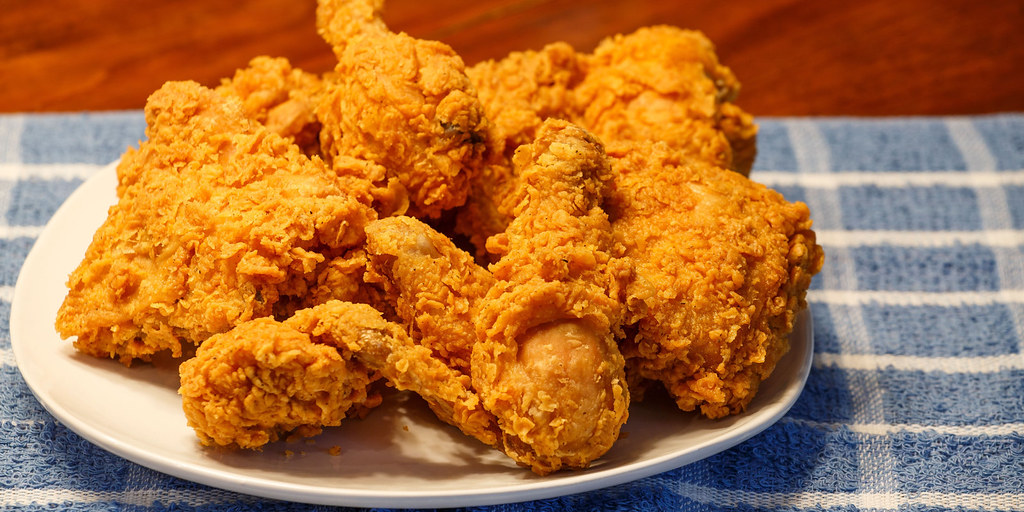 Skin-on thighs (left) retain more fat and crisp beautifully; skinless thighs (right) cook faster with less cleanup.
Skin-On Thighs
- Crispiness potential: High when cooked at 400°F+ with a dry surface.
- Moisture: Skin locks in juices and adds fat as it renders.
- Calories: About 240 kcal per 100g (vs. 180 kcal for skinless).
- Best for: Roasting, pan-searing, grilling, air frying.
- Downside: More splatter, longer prep (pat dry, score fat), less practical for braised dishes where skin turns rubbery.
Skinless Thighs
- Ease of use: No extra prep, less greasy cleanup.
- Texture: Tender but lacks crackling contrast.
- Calories: Lower.
- Best for: Curries, soups, stir-fries, any wet cooking method.
- Downside: Can't produce crispy skin; needs bolder seasoning since fat carries flavor.
The consensus from home cooks and chef-tested recipes: save skin-on for high-heat methods (roasting, searing, air frying) and skinless for braises, sauces, and baked dishes. If you're aiming for a lighter approach, boneless skinless thighs deliver the same dark meat richness with fewer calories. Our healthy recipes section offers several options that fit this profile.
Cooking Methods Head to Head
The same cut behaves completely differently depending on heat source and technique.
Oven Roasting
Best for even cooking and batch prep. Bone-in skin-on thighs shine here: dry the skin, roast at 400°F for 40 minutes, and you get crispy skin and juicy meat. No splatter, hands-off. You can also read our guide on asian chicken recipes.
Pan-Searing
Best for thin boneless thighs or quick crisp skin. Use cast iron or stainless steel at medium-high heat, 6–7 minutes per side. Requires attention to avoid burning but produces the best crust. Perfect with a simple pan sauce after deglazing.
Grilling
Imparts smoky flavor. Use bone-in skin-on for direct heat (lid down, 400°F). Watch for flare-ups from dripping fat. Boneless works but must be flipped often. You can also read our guide on recipes with chicken breast.
Air Frying
Replicates deep-fry results with minimal oil. Boneless or bone-in both work; skin-on gets ultra-crispy in 20 minutes at 375°F. Limited batch size but unmatched speed-to-crisp ratio. For more air fryer inspiration, browse our easy air fryer chicken recipes.
Pro tip: For the crispiest skin regardless of method, pat the chicken dry with paper towels and season at least 15 minutes before cooking. Let it come to room temperature—cold thighs lower the pan's heat and cause steaming. You can also read our guide on lemon garlic chicken.
Side-by-Side Comparison: Time, Cost, Flavor, and Effort
| Cut & Method | Cook Time (approx.) | Cost per Serving | Flavor | Effort | Best for |
|---|---|---|---|---|---|
| Bone-in skin-on roasted | 40–50 min | ~$1.50 | 5/5 | Low | Batch cooking, entertaining |
| Boneless skinless pan-seared | 16–22 min | ~$2.25 | 3/5 | Medium | Quick weeknight dinners |
| Bone-in skin-on grilled | 35–45 min | ~$1.50 | 5/5 | Medium | Summer grilling |
| Boneless skinless air fried | 18–22 min | ~$2.25 | 3/5 | Low | Crispy cravings, quick lunches |
| Boneless skin-on roasted | 25–30 min | ~$2.00 | 4/5 | Low | Balanced time-to-flavor |
| Bone-in skinless braised | 1–1.5 hr | ~$1.75 | 4/5 | Low | Wet sauces, fall-apart texture |
Key takeaway: If flavor and value matter most, bone-in skin-on roasted is the champ. If speed and convenience are your priority, boneless skinless air fried or pan-seared wins. For the best compromise, boneless skin-on thighs hit a sweet spot—more flavor and crispiness than skinless, but faster cooking than bone-in.
The Best Recipe for Your Situation
The right cut and method depend on your specific night. Here's how to match them to your real life.
The Weeknight Rush (20–25 Minutes)
Boneless skinless thighs are your best bet. They cook fast and don't need much attention. Toss them in a hot pan with oil, salt, and pepper. Sear 6 minutes per side, then finish with a splash of lemon juice or soy sauce.
No thermometer needed if you slice into the thickest piece after resting 3 minutes. For even more quick ideas, our ground chicken recipes work on the same timeline.
The Meal Prep Plan (Cook Once, Eat All Week)
Bone-in skin-on thighs roasted on a sheet pan handle this best. The higher fat content keeps them juicy through refrigeration and reheating. Arrange thighs on a lined baking sheet, season with a dry rub, and roast at 400°F for 40 minutes.
Let them cool, then refrigerate in an airtight container for up to 4 days. They reheat well in a microwave or low oven. The skin may soften overnight, but the meat stays tender.
The Big Flavor Hunt (Bold, Complex Results)
Bone-in thighs with a wet marinade deliver deep, complex results. Try an Asian-style glaze with soy sauce, ginger, and honey, or go for a lemon garlic herb mixture. Marinate for at least 2 hours or overnight, then roast or grill until the skin is caramelized and charred at the edges.
The Tight Budget (Feed a Family Without Breaking the Bank)
Bone-in skin-on thighs cost less than any other cut and offer the most flavor per dollar. A 5-pound bag runs about $7 to $10. Roast them simply with potatoes and carrots for a one-pan meal that stretches further. Leftovers can be shredded and turned into tacos or sandwiches.
The Health-First Meal (Leaner Protein, Still Moist)
Boneless skinless thighs deliver about 15 grams of fat per serving compared to 20-plus for skin-on. Season aggressively since the fat layer that holds flavor is gone. Cook over medium-high heat quickly to avoid toughness. Pair with roasted vegetables or a salad for a balanced plate.
Common Mistakes That Keep Your Thighs From Being Great
Even with the right cut, small errors can ruin the dish.
- Soggy skin. Wet skin steams instead of crisping. Always pat thighs dry with paper towels before seasoning. Let them sit uncovered in the fridge for 30 minutes if you have time.
- Overcooking boneless thighs. Yes, even dark meat can dry out past 185°F internal. Use an instant-read thermometer and pull them at 175°F. Carryover cooking will take them to a safe 180°F.
- Skipping the rest. Slicing into a hot thigh releases all its juices. Let cooked thighs rest for 5 minutes under loose foil before serving.
- Cooking cold meat. Thighs straight from the fridge cook unevenly and absorb less seasoning. Let them sit at room temperature for 15–20 minutes before cooking.
- Not enough salt. Dark meat handles more salt than breast meat. Aim for 1 teaspoon of kosher salt per pound of meat, or use a marinade with salt or soy sauce.
Pro Tips for Perfect Texture and Maximum Flavor
These insights come from testing dozens of recipes and cross-referencing with published cooking science.
- Dry brine for better crispiness. Rub thighs with salt and let them rest uncovered in the fridge for 2–6 hours. The salt draws out moisture, then that moisture reabsorbs, seasoning the meat deep while the surface dries.
- Use high heat for crispy skin. 425°F in the oven or medium-high on the stovetop is where the magic happens. If your skin isn't golden brown by the time the meat is done, finish under the broiler for 2–3 minutes.
- Deglaze for free sauce. After pan-searing thighs, remove them and add a splash of broth, wine, or lemon juice. Scrape up the browned bits—that's concentrated flavor that turns ordinary drippings into a killer pan sauce.
- Save the bones. After eating bone-in thighs, freeze the bones. When you have enough, simmer them with water, aromatics, and salt for 2 hours to make a rich homemade stock.
- Check temperature in the right spot. Insert the thermometer into the thickest part of the thigh, avoiding the bone. For boneless, aim for the center of the thickest piece. USDA guidelines state a safe minimum of 165°F, but thighs improve up to 190°F, especially when braised for shredding.
Your Final Call: Which Chicken Thigh Recipe Wins Tonight?
Here's the short version based on everything above.
- In a hurry: Boneless skinless thighs, pan-seared or air fried, 20 minutes total.
- Want deep flavor and crispy skin: Bone-in skin-on thighs, roasted at 425°F for 40 minutes.
- Cooking for a crowd on a budget: Bone-in skin-on thighs, roasted with vegetables.
- Meal prepping: Bone-in skin-on thighs, roasted then stored for the week.
- Watching fat but still want moisture: Boneless skinless thighs, quickly pan-seared or grilled with a marinade.
Trust the cut. Use the right heat. Season boldly. Watch the temp. Chicken thighs reward you when you treat them right.
Frequently Asked Questions
How long should I cook chicken thighs in the oven?
Bone-in thighs need 35–50 minutes at 400°F. Boneless thighs need 16–22 minutes at the same temperature. Always check internal temp with a thermometer. Pull bone-in at 175°F, boneless at 165°F for safety or up to 185°F for ultra-tender meat.
Should I wash chicken thighs before cooking?
No. The CDC advises against washing raw chicken because it splashes bacteria around your sink and counters. Any bacteria on the surface will be killed during cooking. Pat dry with paper towels instead and discard them immediately.
What's the best temperature for crispy chicken thigh skin?
425°F works best for oven roasting. For pan-searing, medium-high heat around 375°F to 400°F surface temp. The key is a dry surface before it hits the heat. Moisture is the enemy of crispiness.
Can I cook frozen chicken thighs without thawing?
Yes, but adjust your method. Bone-in frozen thighs need about 50 percent more cook time—bake at 350°F for 55–65 minutes. Boneless frozen thighs need 30–40 minutes. Always check internal temperature at the thickest part.
Is it better to grill or bake chicken thighs?
It depends on your goal. Baking gives you even, hands-off cooking and easier cleanup. Grilling adds smoky flavor and char marks but requires more attention to avoid burning the skin. Both work well with bone-in skin-on thighs.
How do I keep chicken thighs moist when reheating leftovers?
Reheat in a low oven at 300°F for 10–15 minutes, or microwave with a damp paper towel over the plate for 45 seconds. Avoid high heat which dries out the meat. Shredding leftover thighs and warming them in a sauce also works well.
Conclusion
The key to great chicken thighs isn't a single magical recipe—it's matching the cut and method to your specific night. Bone-in skin-on thighs deliver unbeatable flavor and value when you have time to roast. Boneless skinless thighs save dinner when you're in a rush. Skin-on adds crispiness when you're willing to deal with a little splatter. Skinless simplifies cleanup and cuts calories.
Your next step: Look at your calendar tonight. Do you have 40 minutes or 20? Are you cooking for one or feeding a crowd? Choose the right cut from the table above, follow the temperature guidelines, and you'll never second-guess chicken thighs again.