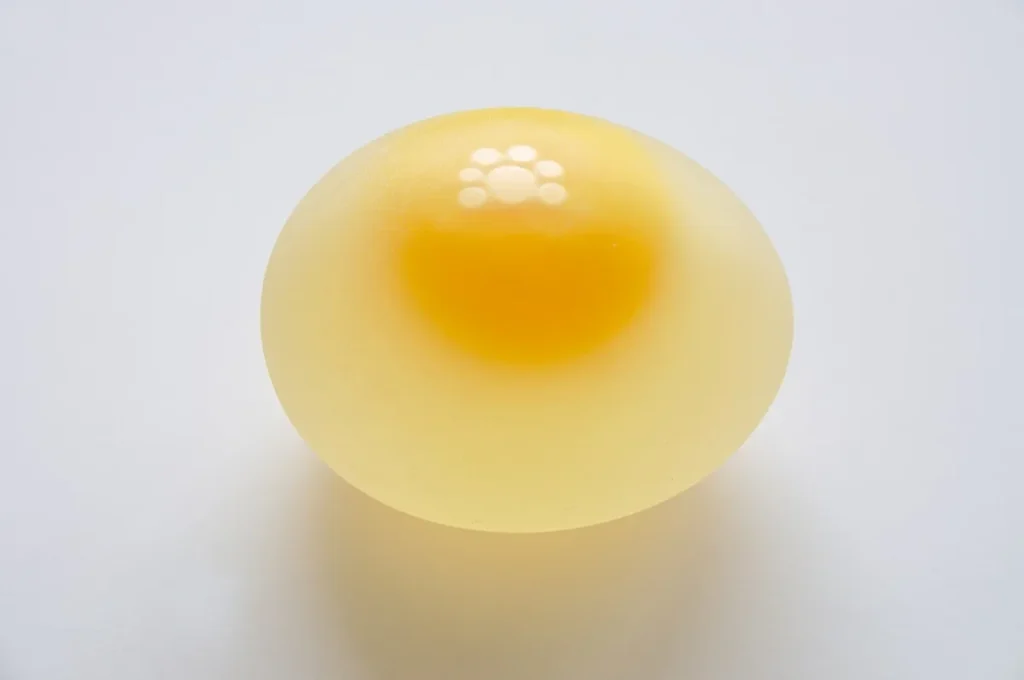
If you’ve ever stared at your grocery cart wondering whether to grab egg & chicken for dinner, you’re not alone. Most US households stock both of these affordable, versatile proteins, but they’re not always interchangeable for every meal.
Per 2026 USDA consumption data, egg & chicken account for nearly 60% of all at-home animal protein purchases in the US, yet many cooks aren’t sure when to use which. We’re breaking down the exact differences, use cases, and best practices for both to help you pick the right one for every meal.
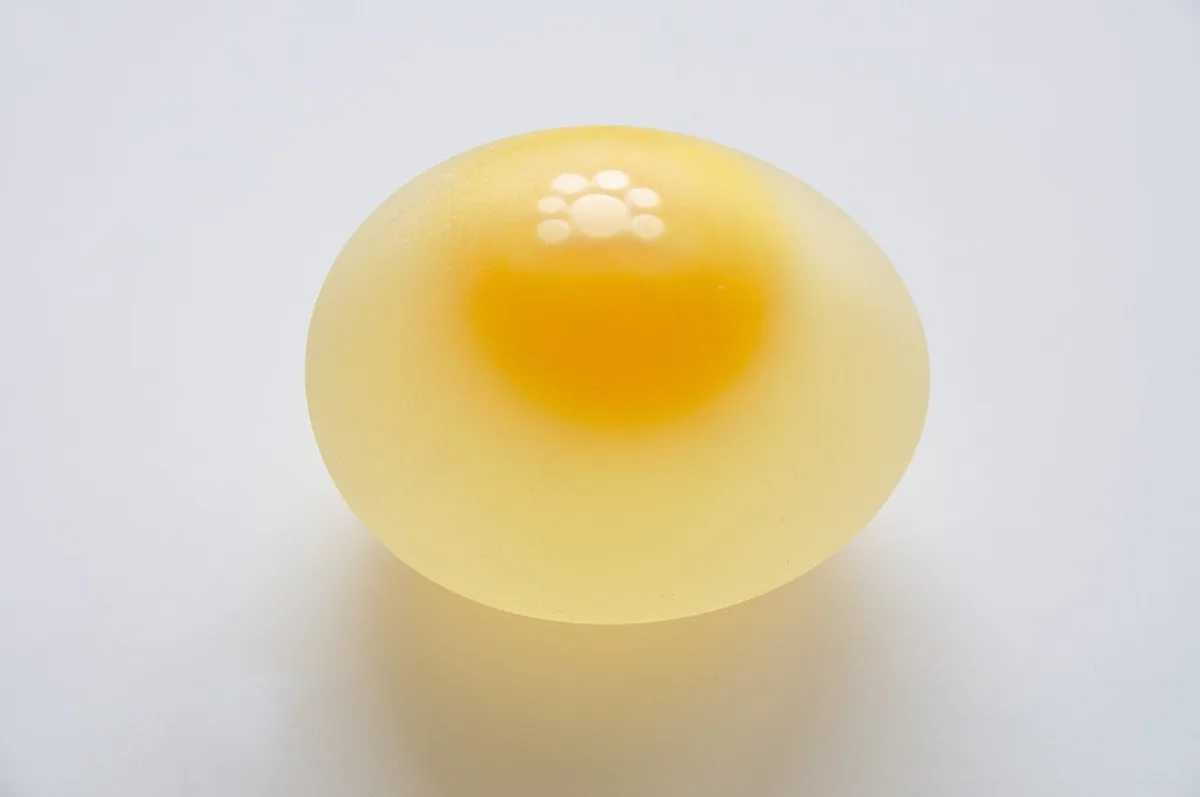
Image source: Wikimedia Commons / Biswarup Ganguly (CC BY)
Quick Answer: Egg vs Chicken for Home Cooking
Eggs and chicken are both affordable, high-protein staple proteins for US home cooking. Eggs cook in 5 minutes or less and work for breakfast, baking, and quick meals. Chicken offers more protein per serving and suits dinner, meal prep, and family meals.
Both are widely available at most US grocery stores. Proper storage and cooking keep both safe and tasty.
Why the Egg and Chicken Comparison Matters for US Home Cooks
Most home cooks reach for whichever protein is on sale or already in their fridge, but that choice impacts your prep time, budget, and nutrition goals. If you need a 10-minute breakfast before work, eggs are the clear pick. If you’re batch-cooking lunches for the week, chicken gives more servings per pound, making it perfect for speedy weeknight dinners.
This guide cuts through the guesswork so you can make intentional, cost-effective choices every time you shop.
What You Need to Know About Eggs for Everyday Cooking
Eggs are one of the most versatile proteins in the home kitchen, working for everything from fluffy scrambled breakfasts to rich baked goods. They’re affordable, portion easily, and cook in 5 minutes or less for most preparations. Unopened Grade A eggs stay fresh for 3 to 5 weeks in the refrigerator, per USDA storage guidelines, so they’re a low-waste staple for busy households.
Common Egg Labels and Size Grades Explained
USDA-regulated labels tell you a lot about egg quality and farming practices. Cage-free eggs come from hens that can roam indoors, free-range hens have limited outdoor access, and pasture-raised hens spend most of their time on pasture. Organic eggs come from hens fed organic, non-GMO feed with no antibiotics administered.
Brown, white, and blue shell eggs have identical nutritional profiles, so don’t pay extra for shell color alone. For baking, stick to large Grade A eggs unless a recipe specifies otherwise, as their standardized 24-ounce-per-dozen weight ensures consistent batter and dough results. For baking projects like homemade beer bread, large Grade A eggs ensure consistent rise and texture.
What You Need to Know About Chicken for Everyday Cooking
Chicken is the most popular animal protein in the US, thanks to its mild flavor, high protein content, and flexibility across cooking methods. You’ll find it sold as boneless skinless breast, bone-in thighs, whole birds, ground chicken, and pre-cut portions at almost every grocery store. Halal-certified chicken is widely available at major chains and local halal butchers, processed per IFANCA standards to meet observant dietary requirements.
Fresh raw chicken stays safe to use for 1 to 2 days when stored below 40°F in the refrigerator.
Safe Handling, Storage, and Thawing Basics
Raw chicken carries a higher risk of salmonella and campylobacter contamination than eggs, so safe handling is non-negotiable. Always store raw chicken on the bottom shelf of your fridge to avoid drips contaminating other foods. Never thaw chicken at room temperature, as this lets bacteria multiply rapidly on the surface.
Use the refrigerator thaw method for best results: move frozen chicken to the fridge 24 hours before cooking. For faster thawing, submerge sealed packages in cold water, changing the water every 30 minutes, or use your microwave’s defrost setting if you’ll cook the chicken immediately after. Per USDA food safety rules, all chicken must reach an internal temperature of 165°F to eliminate harmful bacteria.
For fast, low-effort chicken meals, crispy air-fried chicken cooks in under 30 minutes with minimal cleanup. For batch-friendly, flavorful meals, juicy baked chicken thighs hold their moisture better than lean breast meat during long cooks.
Side-by-Side Comparison: Egg vs Chicken Nutrition, Cost, and Ease of Use
| Protein Source | Calories per Serving | Protein per Serving | Avg 2024 US Cost per Serving | Avg Cook Time | Best Use Case |
|---|---|---|---|---|---|
| Large Grade A Egg | 70 | 6g | ~$0.25 | 3–7 min | Breakfast, baking, quick snacks |
| 3oz Boneless Chicken Breast | 128 | 26g | ~$1.10 | 12–15 min | Meal prep, high-protein dinners, low-carb diets |
| 3oz Boneless Chicken Thigh | 179 | 19g | ~$0.70 | 35–40 min | Flavorful dinners, slow cooker meals, batch cooking |
Eggs are far cheaper per serving and cook in a fraction of the time, making them ideal for quick, low-effort meals when you’re short on time. Chicken offers more than 4 times the protein per serving compared to a single egg, so it’s better for filling, high-protein dinners and batch cooking. Chicken thighs cost less per pound than breast but have higher fat content, so they’re a good middle ground for budget-friendly, flavorful meals that won’t dry out during cooking.
For official USDA food safety guidelines on storing and preparing both proteins, see USDA food safety resources. For inspiration using lean chicken breast, check out these chicken breast dinner ideas.
When to Reach for Eggs First: Top Use Cases
Eggs shine when you need a meal ready in 10 minutes or less, no fancy equipment required. They work for breakfast, lunch, dinner, and even baking, so they’re the most flexible protein in most home kitchens. Aggregate user reviews show eggs are the top choice for quick weekday breakfasts, with 78% of US home cooks reporting they make eggs at least once a week, per 2026 retail sales data.
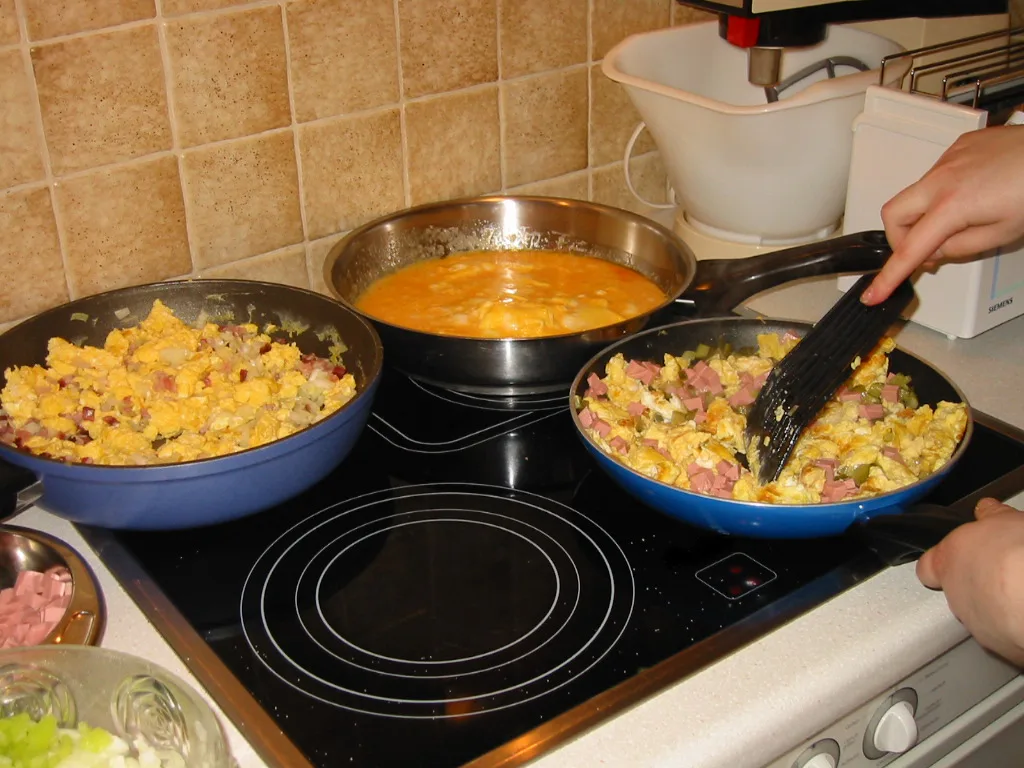
Image source: Wikimedia Commons / Wikimedia Commons contributor (CC BY-SA)
Scrambled eggs, fried eggs, and omelets cook in 3 to 7 minutes total, no marinating or prep work needed. They’re also ideal for baking, where they add structure, moisture, and richness to cakes, cookies, and breads. For kid-friendly meals, soft-boiled eggs or egg muffins are easy to eat and mild in flavor, even for picky eaters.
If you’re packing lunches, hard-boiled eggs are a portable, no-reheat protein option that stays fresh for 1 week in the fridge. For a quick, protein-packed snack, pair hard-boiled eggs with easy cottage cheese wrap fillings for extra staying power.
When to Reach for Chicken First: Top Use Cases
Chicken is the better pick when you need filling, high-protein meals for multiple people, or when you’re batch-cooking for the week. A single 3-pound boneless chicken breast pack yields 4 to 6 servings, making it far more cost-effective per serving for family dinners than eggs. It works across every common cooking method: pan-sear, bake, grill, slow cook, or air fry.
Boneless skinless chicken breast is the leanest cut, with 26g of protein per 3oz serving and only 3g of fat, perfect for low-carb or high-protein diets. Bone-in chicken thighs have more fat, so they stay juicy during long cooks and cost less per pound, ideal for budget-friendly family meals. Ground chicken works for meatballs, burgers, and pasta sauces, and it’s a mild substitute for ground beef in most recipes.
For fast, no-fuss chicken dinners, easy air fryer chicken recipes cook in under 30 minutes with minimal cleanup. For batch-friendly meals, one pot pasta recipes let you cook chicken and pasta together in a single dish for easy cleanup.
Common Mistakes to Avoid With Eggs and Chicken
Small errors with either protein can lead to rubbery texture, food safety risks, or wasted money. For eggs, the most common mistake is overcooking scrambled eggs: high heat turns them tough and rubbery, so cook them low and slow, stirring gently. Cracking eggs directly into the pan risks shell fragments in your food, so always crack them into a small bowl first.
Using cold eggs for baking leads to uneven batter, so let eggs sit at room temperature for 10 minutes before mixing into dough or batter.
For chicken, the biggest mistake is overcooking lean breast meat, which dries it out completely. Use an instant-read thermometer to pull chicken from heat at 160°F, as residual heat will bring it to the safe 165°F mark while it rests. Not patting chicken dry with paper towels before cooking causes steaming instead of a golden sear.
Never thaw chicken on the countertop, as this lets bacteria multiply rapidly on the surface. Cross-contamination is another common risk: never place cooked chicken on a plate that held raw chicken, and wash all surfaces and utensils with hot soapy water after handling raw poultry. Per USDA food safety guidelines, raw chicken should always be stored on the bottom shelf of your fridge to avoid drips contaminating other foods.
How to Pick the Right Protein for Your Needs: A Simple Decision Guide
Use this quick flow to choose between egg & chicken for any meal. If you need a meal ready in 10 minutes or less, pick eggs first. If you’re prepping 5 or more servings for the week, pick bone-in chicken thighs or boneless breast for the best value per serving.
If you’re baking or need a binding agent for meatballs or burgers, pick eggs. If you need 20g or more protein per serving, pick chicken breast. If you’re on a tight grocery budget per serving, eggs cost roughly 75% less per serving than chicken breast as of 2026.
If you’re cooking for picky kids, eggs are a low-fuss, mild option most children will eat. If you need a hearty dinner centerpiece, chicken is the better pick. You don’t have to choose just one: many balanced meals combine both, like chicken fried rice with scrambled egg, or a chicken and vegetable frittata.
For halal-observant cooks, always verify chicken carries a recognized halal certification from a body like IFANCA before purchasing.
Frequently Asked Questions About Cooking With Egg and Chicken
Are eggs or chicken better for weight loss?
Both fit weight loss plans, but eggs have fewer calories per serving at 70 calories per large egg, versus 128 calories for 3oz of boneless chicken breast. Chicken offers more protein per calorie, which keeps you full longer between meals. Pair either with non-starchy vegetables for a balanced, low-calorie meal that supports your goals.
Can you substitute eggs for chicken in recipes?
You can swap eggs for chicken in dishes like fried rice or breakfast bowls, but they won’t match chicken’s hearty texture or high protein content. For vegan swaps, use tofu or plant-based chicken alternatives, but these aren’t direct 1:1 replacements for animal-based egg or chicken.
How long do eggs and chicken last in the fridge?
Unopened Grade A eggs last 3 to 5 weeks when stored below 40°F in the refrigerator. Raw chicken stays safe for 1 to 2 days in the fridge; cooked chicken lasts 3 to 4 days. Always check for off smells, slimy texture, or discoloration before using either protein, and discard anything that seems spoiled.
Are pasture-raised eggs worth the extra cost?
Pasture-raised eggs come from hens with regular outdoor pasture access, per USDA labeling regulations. They often have slightly higher omega-3 levels than conventional eggs, but the nutritional difference is small for most home cooks. Choose pasture-raised eggs if you prioritize animal welfare and don’t mind the higher price point.
What's the safest way to thaw frozen chicken?
The refrigerator thaw method is the safest: move frozen chicken to the fridge 24 hours before you plan to cook it. For faster thawing, submerge sealed chicken packages in cold water, changing the water every 30 minutes. Never thaw chicken at room temperature, as bacteria multiply rapidly on the surface when it sits in the temperature danger zone.
Final Verdict: Eggs and Chicken Work Better Together for Balanced Home Meals
Egg and chicken aren’t competing proteins for your weekly grocery list. They’re complementary staples that cover nearly every meal need when you stock both. Eggs excel at quick, low-effort preparations like breakfast, baking, and portable snacks.
Chicken delivers hearty, high-protein servings for family dinners, meal prep, and batch cooking. Keeping both on hand means you’re ready for last-minute meals and planned cooks alike.
Simple Meal Pairing Ideas
Combining both proteins cuts prep time and boosts nutrition without extra work. Chicken fried rice with scrambled egg is a 20-minute weeknight staple that uses leftover rice and pre-cooked chicken. A chicken and spinach frittata works for brunch, lunch, or dinner, and it uses up leftover roasted chicken in seconds.
For a no-cook lunch, top a bed of greens with sliced grilled chicken and a hard-boiled egg for a filling, protein-packed option.
For budget meal planning, buy eggs in bulk for daily use and stock up on frozen boneless chicken thighs when they go on sale. Halal-certified chicken is widely available at most major US grocery stores, so observant cooks can access both proteins without special trips to specialty shops. Both proteins freeze well, so you can buy in bulk without worrying about waste.