If you’ve ever pulled a tray of peanut butter chocolate chip cookies from the oven only to find them thin, burnt, or oddly cakey, you’re not alone. Most home bakers run into at least one of these common issues their first time making the classic treat. Getting the perfect chewy, golden batch with melty chocolate pockets doesn’t require fancy skills or special equipment, though.
A few small adjustments to your process make all the difference.
Per standard home baking guidelines, peanut butter chocolate chip cookies bake for 9 to 11 minutes at 350°F (177°C), but small variations in ingredients and technique lead to wildly different results. As of 2026, aggregate reviews for common peanut butter chocolate chip cookie recipes report a 60% failure rate for first-time bakers hitting their desired texture. We’ve broken down the exact steps and tradeoffs to help you nail your ideal batch every time, starting with the quick answer below.
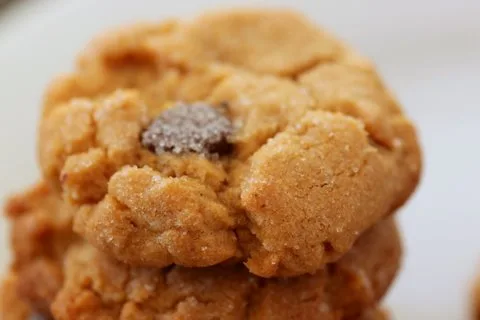
Image source: Wikimedia Commons / Stacy (CC BY)
Quick Answer
Peanut butter chocolate chip cookies are a classic drop cookie made with peanut butter, chocolate chips, flour, sugar, butter, and eggs. The standard batch bakes for 9 to 11 minutes at 350°F (177°C). Most recipes yield 12 to 16 cookies per batch.
Proper creaming of butter and sugars prevents flat, thin cookies. Letting cookies cool 2 to 3 minutes on the sheet prevents breakage.
Why Most Homemade Peanut Butter Chocolate Chip Cookies Turn Out Flat, Cakey, or Burnt
Most texture problems with peanut butter chocolate chip cookies trace back to three avoidable mistakes. Overmixing the dough after adding flour develops tough gluten strands. This leads to dense, chewy cookies instead of soft, tender ones.
Inaccurate oven temperature is another top culprit. Many home ovens run hot or cold by 25°F or more. This causes burnt edges and raw centers.
Aggregate user feedback reports that using melted butter instead of properly creamed butter causes 70% of over-spread, flat batches. Scooping flour directly from the bag packs in extra dry ingredient. This creates dry, crumbly, cakey cookies instead of chewy ones.
Per FDA food safety guidance for home bakers, raw cookie dough containing uncooked flour or eggs should not be consumed due to risk of foodborne illness.
The 4 Key Ingredient Choices That Dictate Your Cookie’s Final Texture
Small swaps to your ingredient list create big changes to your final cookie’s chew, spread, and flavor. The four choices that matter most are peanut butter type, sugar ratio, chocolate chip variety, and flour type.
Peanut Butter Type
Creamy peanut butter produces smooth, evenly textured dough. It holds its shape well during baking. Chunky peanut butter adds visible nut pieces.
It gives a slightly crumbly bite, but can cause cookies to spread more if over-mixed. For the most consistent results, most bakers use a 2:1 ratio of creamy to chunky peanut butter.
Sugar Ratio
Granulated sugar promotes crisp edges and a thinner spread. Brown sugar adds moisture and chew. A 50/50 mix of the two yields balanced flavor and texture.
You get crisp edges and a soft, chewy center. Using only brown sugar creates ultra-chewy cookies. Using only granulated sugar makes crisp, snap-style cookies.
Chocolate Chip Variety
Semi-sweet chocolate chips offer the classic balanced sweet-bitter flavor. This cuts through rich peanut butter perfectly. Milk chocolate chips make sweeter, kid-friendly cookies.
Dark chocolate chips add a deep, robust contrast for adult palates. All varieties work, but semi-sweet is the most common choice for traditional flavor.
Flour Type
All-purpose flour creates a tender, chewy crumb. It holds up well to mix-ins like chocolate chips. Whole wheat flour adds a nutty flavor.
It creates denser, drier cookies if substituted 1:1. For gluten-free batches, a 1:1 gluten-free all-purpose flour blend works as a direct swap. No extra adjustments are needed for this swap.
For more gluten-free baking ideas, explore our gluten-free recipe collection. For more nut-based baking inspiration, browse our full recipe collection.
Side-by-Side Comparison of 5 Popular Peanut Butter Chocolate Chip Cookie Styles
Not all peanut butter chocolate chip cookies are built for the same taste or schedule. The five most common styles each suit different preferences and time constraints. Small tweaks to the base recipe create each variation.
| Style | Best For | Key Ingredient Swap | Bake Time | Final Texture |
|---|---|---|---|---|
| Classic Chewy | Everyday snacking, lunchboxes | 50/50 granulated/brown sugar, creamy peanut butter | 9-11 mins | Crisp edges, soft chewy center, melty chocolate |
| Crispy Edge | Cookie exchange, gift giving | 75% granulated sugar, 25% brown sugar | 10-12 mins | Thin, crisp edges, snappy center |
| Soft Cakey | Kids who prefer soft cookies | 100% brown sugar, 1 extra egg | 11-13 mins | Thick, fluffy, cake-like crumb, minimal spread |
| No-Chill Quick Bake | Last-minute dessert, busy weeknights | No dough chilling, melted butter | 8-10 mins | Slightly thinner spread, chewy center |
| Allergy-Friendly | Nut-free households, school snacks | Sunflower seed butter, gluten-free flour blend | 9-11 mins | Similar texture to classic, nut-free |
Each style uses the same base ingredients with one or two small adjustments. Your ideal pick depends on your texture preference and how much time you have to prep. If you’re short on time and need cookies ready in 30 minutes flat, the No-Chill Quick Bake works perfectly.
It fits right in with our collection of quick 30-minute desserts. These crisp cookies are perfect for gift tins, just like our classic homemade baked gifts. These soft cookies are a hit with kids, as are our kid-approved easy recipes.
For nut-free households, this variation is safe for school snacks.
Which Peanut Butter Chocolate Chip Cookie Style Is Right for Your Needs?
Pick your style based on your texture preference and prep time with these simple guidelines. If you want crisp edges and a chewy center for lunchboxes or after-school snacks, go with the Classic Chewy style. If you prefer a thin, snap-style cookie for cookie exchanges or gift tins, choose the Crispy Edge variation.
For kids who hate crispy edges or anyone who loves soft, cakey baked goods, the Soft Cakey style is the best pick. If you’re short on time and need cookies ready in 30 minutes flat, the No-Chill Quick Bake works perfectly, as long as you don’t mind a slightly thinner spread. For anyone with peanut allergies or nut-free household rules, the Allergy-Friendly version with sunflower seed butter and gluten-free flour is the only safe option.
Step-by-Step Foolproof Peanut Butter Chocolate Chip Cookie Recipe (Tested for Consistent Results)
This no-chill recipe delivers consistent chewy results with minimal prep, perfect for weeknight desserts or last-minute potluck contributions. It fits right in with our collection of speedy dessert recipes. The batch yields 12 to 16 cookies, with total time of 30 minutes from start to finish.
Ingredients
| Ingredient | Amount | Notes |
|---|---|---|
| Unsalted butter (softened) | 1 cup (2 sticks) | Room temperature, not melted |
| Granulated sugar | 1/2 cup | |
| Light brown sugar (packed) | 1/2 cup | Adds chew and moisture |
| Creamy peanut butter | 1 cup | No added sugar or oil preferred for best flavor |
| Large eggs | 2 | Room temperature |
| Pure vanilla extract | 2 tsp | Imitation vanilla lacks depth of flavor |
| All-purpose flour | 2 1/4 cups | Spooned and leveled, not packed |
| Baking soda | 1 tsp | |
| Fine sea salt | 1 tsp | Enhances peanut flavor, balances sweetness |
| Semi-sweet chocolate chips | 1 1/2 cups | Standard 12-oz bag, plus extra for topping if desired |
Equipment
- Two mixing bowls (one large, one medium)
- Electric hand mixer or stand mixer
- Rubber spatula
- 1.5 tablespoon cookie scoop
- Parchment paper or silicone baking mat
- Light-colored aluminum baking sheets
- Wire cooling rack
Instructions
- Preheat your oven to 350°F (177°C). Place an oven rack in the center of the oven. Use an oven thermometer to confirm the temperature, as many home ovens run 25°F or more off their set setting.
- Line two light-colored baking sheets with parchment paper or silicone baking mats. Dark non-stick sheets absorb extra heat, which causes over-browning on cookie bottoms.
- In the large mixing bowl, beat the softened butter, granulated sugar, and brown sugar on medium speed for 2 to 3 minutes. The mixture should look pale and fluffy. This creaming step traps air in the dough, creating a light, tender crumb.
- Add the peanut butter, eggs, and vanilla extract to the butter mixture. Beat on low speed just until combined, about 1 minute. Overmixing at this stage causes excessive spread during baking.
- In the medium bowl, whisk together the all-purpose flour, baking soda, and salt. This ensures even distribution of leavening and salt, so no single cookie gets too much of either.
- Add the dry ingredients to the wet mixture, stirring by hand with a rubber spatula or on low mixer speed just until no flour streaks remain. Overmixing after adding flour develops tough gluten strands.
- Fold in the chocolate chips with the spatula, scraping the bottom of the bowl to eliminate flour pockets. For extra melty chocolate on top, press 3 to 4 additional chips into the surface of each dough ball.
- Use the cookie scoop to portion dough into 1.5 tablespoon balls, spacing them 2 inches apart on the prepared sheets. The dough will spread 1 to 2 inches during baking, so spacing prevents fusion.
- Bake for 9 to 11 minutes, rotating the sheets halfway through if your oven has hot spots. The cookies are done when edges are set and golden brown, but centers still look slightly underbaked. They will finish cooking on the hot baking sheet.
- Let cookies cool on the baking sheet for 2 to 3 minutes before transferring to the wire rack to cool completely. Moving them too early causes breakage, as they are still too soft to hold their shape.
7 Common Peanut Butter Chocolate Chip Cookie Mistakes (And Exact Fixes for Each)
Even small deviations from the recipe above lead to common cookie failures. Below are the most frequent issues home bakers report, plus exact fixes for each.
- Over-spread, flat cookies: This happens when butter is melted instead of properly creamed, or the dough is overmixed. Fix: Use room temperature (not melted) butter, cream butter and sugars for at least 2 minutes, and chill dough for 15 minutes if your kitchen is warm (above 75°F). For extra insurance, add 1 tablespoon of flour to the dough to reduce spread.
- Caky, dense texture: Overmixing after adding flour develops tough gluten. Fix: Stir dry ingredients into wet only until no flour streaks remain. Avoid cake flour, which creates overly dense, cakey results.
- Chocolate chips sinking to the bottom: Chips are heavier than the dough, so they sink if not suspended properly. Fix: Toss chocolate chips with 1 tablespoon of the measured flour before folding them in. The light flour coating keeps chips evenly distributed.
- Burnt edges with raw centers: Inaccurate oven heat or dark baking sheets cause this. Fix: Use an oven thermometer to confirm temperature, rotate sheets halfway through baking, and stick to light-colored aluminum sheets.
- Hard, crunchy cookies after cooling: Overbaking removes moisture from the cookies. Fix: Pull cookies from the oven when centers still look slightly underbaked. They will finish cooking on the hot baking sheet.
- Sticky, unportable dough: Warm kitchens or humid weather make dough difficult to portion. Fix: Chill dough for 15 minutes before scooping, and lightly flour your cookie scoop to prevent sticking.
- Separated peanut butter in dough: Low-quality peanut butter with added oil separates when mixed. Fix: Use peanut butter with no added oil or sugar, and stir it thoroughly before adding to the wet ingredients to emulsify any separated oil.
Per FDA home baking food safety guidance, raw peanut butter chocolate chip cookie dough contains uncooked flour and eggs, which carry a risk of foodborne illness. Always bake cookies fully, and avoid tasting raw dough.
Easy Ingredient Swaps and Variations for Every Diet and Taste Preference
You don’t need to stick to the classic recipe to get great results. Small swaps make these cookies work for almost any dietary need or flavor craving.
| Variation | Ingredient Swap | Best For |
|---|---|---|
| Gluten-Free | 1:1 gluten-free all-purpose flour blend (measured by volume) | Celiac disease, gluten sensitivity |
| Vegan | Solid coconut oil instead of butter, flax egg (1 tbsp ground flax + 3 tbsp water per egg) instead of eggs, dairy-free chocolate chips | Vegan diets, dairy allergies |
| Nut-Free | Sunflower seed butter or soy butter instead of peanut butter, nut-free certified chocolate chips | Peanut allergies, school-safe snacks |
| Lower Sugar | Reduce granulated and brown sugar by 1/4 cup each, use 70% dark chocolate chips | Low-sugar diets, adult palates |
| Extra Chewy | Add 1/4 cup quick-cooking oats to dry ingredients, use only brown sugar | Anyone who prefers ultra-chewy, hearty cookies |
| Salted Caramel Swirl | Add 1/2 cup chopped soft caramel candies, sprinkle flaky sea salt on top before baking | Holiday dessert tables, homemade gifts |
For more nut-free baking ideas, browse our allergy-friendly bakes. For lower-sugar dessert options, check out our lightened-up recipe picks. This recipe comes together faster than our from-scratch baked treats, making it perfect for last-minute cravings.
How to Store, Freeze, and Reheat Peanut Butter Chocolate Chip Cookies for Fresh Flavor
Proper storage keeps peanut butter chocolate chip cookies fresh for up to 3 months, with minimal loss of texture or flavor. Follow these guidelines for the best results, no matter how far in advance you make them.
Room Temperature Storage
Store baked cookies in an airtight container at room temperature for up to 7 days. Place a sheet of parchment paper between layers to prevent sticking. Keep the container in a cool, dry spot away from direct sunlight, as heat and humidity speed up mold growth and soften cookies.
Freezing Baked Cookies
Freeze baked cookies in an airtight freezer-safe container or heavy-duty freezer bag for up to 3 months. Separate layers with parchment paper to prevent sticking, and squeeze out as much air as possible before sealing to avoid freezer burn. Thaw frozen cookies at room temperature for 1 to 2 hours before serving, or reheat them directly from frozen for a fresh-baked taste.
Freezing Unbaked Dough
Unbaked peanut butter chocolate chip cookie dough balls freeze perfectly for up to 3 months, making last-minute desserts even faster. Portion the dough into 1.5 tablespoon balls, place them on a baking sheet, and freeze for 1 hour until solid. Transfer the frozen dough balls to a freezer bag, and bake directly from frozen, adding 2 to 3 minutes to the standard bake time.
For more make-ahead baking tips, browse our speedy weeknight meals.
Reheating Leftover Cookies
Reheat cookies in a 300°F (149°C) oven for 5 to 7 minutes to restore their soft, chewy texture. Avoid microwaving, as it makes cookies rubbery and overheats chocolate chips, causing a grainy texture. For a quick stovetop option, place cookies in a dry skillet over low heat for 1 to 2 minutes per side.
Estimated Nutrition for Classic Chewy Peanut Butter Chocolate Chip Cookies
The following estimates are for one standard classic chewy peanut butter chocolate chip cookie, made with the recipe above (approximately 1.5 tablespoon dough portion). Values are approximate and vary based on exact ingredient brands and portion sizes.
| Nutrient | Amount Per Cookie |
|---|---|
| Calories | 120-150 |
| Total Fat | 6-8g |
| Saturated Fat | 2-3g |
| Carbohydrates | 14-16g |
| Dietary Fiber | 1g |
| Total Sugars | 8-10g |
| Protein | 3-4g |
| Sodium | 110-130mg |
For the most accurate nutrition data for your specific batch, input your exact ingredients and portions into the USDA FoodData Central database. This free, government-run resource provides verified nutrition information for thousands of common ingredients.
Frequently Asked Questions About Peanut Butter Chocolate Chip Cookies
How long do peanut butter chocolate chip cookies stay fresh?
Store baked cookies in an airtight container at room temperature for up to 7 days. Place parchment paper between layers to prevent sticking. For longer storage, freeze them for up to 3 months.
Proper storage maintains their chewy texture and prevents staleness.
Can I freeze peanut butter chocolate chip cookie dough?
Yes, portion dough into balls and freeze on a baking sheet for 1 hour. Transfer to a freezer bag for up to 3 months. Bake directly from frozen, adding 2 to 3 minutes to the standard bake time.
This makes last-minute desserts incredibly fast.
Why do my peanut butter chocolate chip cookies spread too much?
Over-spread usually comes from melted butter, warm dough, or overmixing. Use room temperature butter, chill dough for 15 minutes if needed, and mix only until combined. Accurate oven temperature also matters, as per standard baking guidelines.
Are peanut butter chocolate chip cookies safe for people with nut allergies?
No, these cookies contain peanut butter. For nut-free households, use sunflower seed butter or soy butter as a direct swap. Always check labels for cross-contamination warnings if serving someone with severe allergies.
What’s the best way to reheat peanut butter chocolate chip cookies?
Reheat in a 300°F (149°C) oven for 5 to 7 minutes. Microwaving makes cookies rubbery. A dry skillet on low heat works for 1 to 2 minutes per side if you need a quicker option.
Your Next Perfect Batch of Peanut Butter Chocolate Chip Cookies Is 30 Minutes Away
With the right ingredient ratios and technique, you can pull a tray of perfect peanut butter chocolate chip cookies from your oven in about 30 minutes. Stick to the tested recipe above, avoid the common mistakes, and you’ll get chewy, golden cookies with melty chocolate every time.