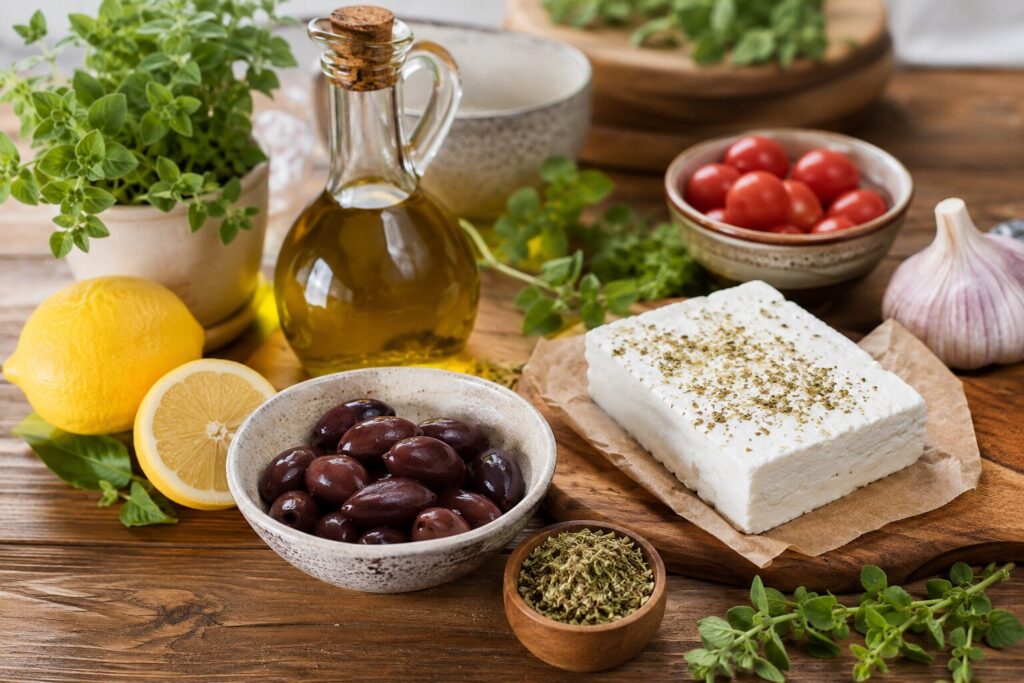
Greek food has a reputation for being intimidating. Phyllo dough, unfamiliar spices, hours of prep — it's easy to assume you need a Yiayia's lifetime of experience to pull off an authentic Greek meal.
Here's the truth: most traditional Greek cooking is built on simplicity, not complexity.
The Mediterranean diet, of which Greek cuisine is a cornerstone, relies on a handful of high-quality staples — olive oil, lemon, garlic, fresh herbs, tomatoes, and simple proteins — combined with technique, not fuss. Once you understand the core building blocks, you can recreate authentic Greek recipes at home in 30 minutes or less, using ingredients available at any standard American grocery store. You can also read our guide on tater tot casserole recipe.
Whether you're cooking for a weeknight dinner, meal-prepping for the week, or hosting friends for a Mediterranean-inspired spread, the goal is the same: bold, honest flavor without unnecessary steps.
Why Greek Cooking Is Easier Than You Think
Greek cuisine developed in a climate and culture where fresh, seasonal ingredients did most of the work. Unlike cuisines that rely on complex sauces or lengthy braises, traditional Greek dishes tend to follow a simple formula:
- A quality protein or vegetable base
- Extra virgin olive oil as the primary fat
- Acid (lemon juice or vinegar) for brightness
- A small set of herbs — oregano, dill, mint, parsley
- Minimal, precise seasoning that lets ingredients shine
This is why Greek food translates so well to home kitchens. You're not chasing a 20-ingredient sauce; you're making thoughtful choices with a handful of components and letting technique — proper searing, resting meat, balancing acid — do the heavy lifting. You can also read our guide on easy moroccan recipes.
The real secret isn't skill — it's ingredient quality. A mediocre olive oil or bottled lemon juice will flatten a dish that authentic Greek cooking would otherwise make vibrant.
Three reasons Greek cooking is beginner-friendly:
- Short ingredient lists. Most dishes use 5–8 ingredients, not 15+.
- Forgiving techniques. Roasting, grilling, and simple simmering dominate — there's little room for a delicate sauce to "break."
- Reusable staples. Once your pantry is stocked, the same 10–12 items appear across nearly every recipe.
Building Your Greek Pantry: The Non-Negotiables
Before diving into recipes, stock these staples. Once your pantry is set, most Greek meals come together with just a trip to the produce and meat counter.
Oils and Vinegars
- Extra virgin olive oil (a fruity, robust Greek or Cretan variety if you can find one)
- Red wine vinegar
Herbs and Spices
- Dried oregano (Greek oregano is more pungent than Italian — worth seeking out)
- Fresh dill
- Fresh mint
- Fresh parsley
- Cinnamon (used in savory dishes like pastitsio, not just desserts)
- Bay leaves
Dairy and Proteins
- Full-fat Greek yogurt, strained and thick — non-negotiable for tzatziki
- Feta cheese, block form, packed in brine — never pre-crumbled
- Kalamata olives
Produce
- Lemons, always fresh
- Tomatoes
- Cucumbers
- Red onion
- Garlic
With this list stocked, you're roughly 80% of the way to any easy Greek recipe at home.
Easy Greek Recipes at Home: 6 Foolproof Dishes
Below are six dishes that represent the backbone of home-style Greek cooking. Each is achievable on a weeknight, requires no special equipment, and delivers restaurant-quality results.
1. Classic Tzatziki (5 Minutes, No Cooking)
Tzatziki is the gateway recipe to Greek cooking — and getting it right teaches you the foundational skill of balancing acid, fat, and freshness.
Ingredients:
- 1 cup full-fat Greek yogurt
- 1/2 cucumber, grated and squeezed dry
- 1 garlic clove, finely minced
- 1 tablespoon olive oil
- 1 teaspoon red wine vinegar
- Fresh dill, chopped
- Salt to taste
Method:
- Grate the cucumber and squeeze out excess liquid using a clean towel — this step is critical; skipping it results in watery tzatziki.
- Combine all ingredients in a bowl and mix.
- Refrigerate for at least 30 minutes before serving to let flavors meld.
Pro tip: The single biggest mistake home cooks make is under-draining the cucumber. Watery tzatziki is the #1 giveaway of an inexperienced cook — take the extra two minutes.
2. Greek Salad (Horiatiki) — The Real Version
Authentic Greek salad has no lettuce. This surprises most Americans, but traditional horiatiki is built entirely around ripe tomatoes, cucumber, and a full slab of feta.
Ingredients:
- 3 ripe tomatoes, cut into wedges
- 1 cucumber, sliced into half-moons
- 1/2 red onion, thinly sliced
- 1/2 cup Kalamata olives
- 1 block (4 oz) feta cheese
- Extra virgin olive oil
- Dried oregano
- Salt
Method:
- Combine tomatoes, cucumber, onion, and olives in a bowl.
- Place the feta block whole on top — do not crumble it.
- Drizzle generously with olive oil and sprinkle oregano and salt over everything, including the feta.
This dish demonstrates a key principle of Greek cuisine: restraint. There's no dressing to make, no emulsification — just quality ingredients and olive oil doing the work.
3. One-Pan Greek Lemon Chicken and Potatoes
This is the dish most home cooks associate with comforting Greek food — and it's essentially a dump-and-roast recipe.
Ingredients:
- 4 bone-in, skin-on chicken thighs
- 4 medium potatoes, cut into wedges
- 1/4 cup olive oil
- Juice of 2 lemons
- 4 garlic cloves, minced
- 1 tablespoon dried oregano
- 1 cup chicken broth
- Salt and pepper
Method:
- Preheat oven to 425°F.
- Whisk olive oil, lemon juice, garlic, oregano, salt, and pepper together.
- Toss chicken and potatoes in the marinade in a large roasting pan.
- Pour chicken broth around — not over — the ingredients.
- Roast for 45–50 minutes, basting once halfway through, until chicken is golden and potatoes are tender.
Why this works: The broth keeps the potatoes from drying out while the chicken skin crisps above the liquid line — a technique borrowed from traditional Greek taverna ovens (fournos).
 Lemon and oregano create the signature bright flavor that makes this dish a weeknight favorite.
4. Greek-Style Baked Feta (Feta Saganaki)
If you want a dish that looks impressive but takes five minutes of hands-on effort, this is it.
Ingredients:
- 1 block feta cheese
- 1 tablespoon olive oil
- 1 teaspoon honey
- Fresh thyme or oregano
- Red pepper flakes (optional)
- Cherry tomatoes (optional)
Method:
- Preheat oven to 400°F.
- Place the feta block in a small baking dish, surrounding it with cherry tomatoes if using.
- Drizzle with olive oil and honey, then sprinkle with herbs.
- Bake 15–20 minutes until softened and lightly golden.
Serve with warm pita or crusty bread for dipping. This dish exemplifies how minimal ingredients, when high quality, create maximum flavor impact — a hallmark of authentic Greek cooking philosophy.
5. Greek Lemon Rice Soup (Avgolemono)
This soup is Greece's answer to chicken noodle soup — comforting, simple, and deeply flavorful thanks to one clever technique: tempering eggs into hot broth.
Ingredients:
- 6 cups chicken broth
- 1/2 cup rice (or orzo)
- 2 eggs
- Juice of 2 lemons
- Shredded cooked chicken (optional)
- Salt and pepper
Method:
- Bring broth to a boil, add rice, and simmer until tender, about 15 minutes.
- In a separate bowl, whisk eggs and lemon juice together.
- Slowly ladle a cup of hot broth into the egg mixture while whisking constantly — this prevents the eggs from scrambling.
- Pour the tempered mixture back into the pot, stirring continuously.
- Add chicken if using, season, and serve immediately.
The technique here — tempering — is the single most valuable skill in this entire guide. Master it here, and you can apply it to dozens of other soups and sauces.
6. Greek Yogurt Marinated Souvlaki (Grilled Skewers)
Souvlaki is Greece's most iconic street food, and it's remarkably easy to replicate.
Ingredients:
- 1.5 lbs chicken thighs or pork shoulder, cubed
- 1/2 cup Greek yogurt
- Juice of 1 lemon
- 3 garlic cloves, minced
- 1 tablespoon olive oil
- 1 tablespoon dried oregano
- Salt and pepper
Method:
- Combine all marinade ingredients and coat the meat thoroughly.
- Marinate for at least 2 hours, ideally overnight.
- Thread onto skewers and grill over medium-high heat for 10–12 minutes, turning occasionally.
Why yogurt matters: The lactic acid in yogurt is a gentler tenderizer than straight acid marinades (like citrus alone), which can toughen meat if left too long. This technique is borrowed directly from traditional Greek and broader Eastern Mediterranean cooking.
Smart Ingredient Swaps for American Grocery Stores
Not every store carries specialty Greek imports, and that's fine — most substitutions barely affect the final result. Here's how to adapt without sacrificing authenticity:
| Missing Ingredient | Smart Substitute |
|---|---|
| Greek yogurt (strained) | Any "strained" or "Greek-style" yogurt — the strained texture matters more than the label |
| Kalamata olives | Any brine-cured black olive; avoid canned "California black olives" which are milder |
| Fresh oregano | Dried oregano is actually traditional here and often preferred |
| Orzo for avgolemono | Any short-grain rice or broken spaghetti works |
| Block feta | Firm, tangy goat cheese is the closest substitute in texture and acidity |
None of these swaps will make a dish "inauthentic." Greek home cooks have always adapted recipes to whatever was available regionally — substitution is part of the tradition, not a departure from it.
The Health Case for Cooking Greek at Home
Beyond flavor, there's a practical reason so many home cooks gravitate toward Greek cuisine: it's one of the most extensively studied diets for long-term health. The Mediterranean diet, which features Greek cooking prominently, has been linked to reduced risk of heart disease, improved cognitive function, and better metabolic health according to research published by the U.S. National Institutes of Health.
Key reasons Greek-style cooking supports a healthier plate:
- Olive oil as the primary fat — rich in monounsaturated fats, associated with cardiovascular benefits, and used generously rather than sparingly
- Lean, simply prepared proteins — grilled or roasted chicken, fish, and legumes dominate over fried or heavily processed meats
- Vegetable-forward meals — dishes like horiatiki and roasted vegetable sides are treated as centerpieces, not afterthoughts
- Minimal processed ingredients — most recipes above use whole foods: fresh produce, dairy, herbs, and proteins, with almost nothing pre-packaged
- Portion-friendly mezze format — sharing several smaller dishes naturally encourages balanced, varied eating
Cooking these dishes at home also means you control the salt, oil quality, and portion sizes — something impossible to manage at a restaurant, even a good one.
Common Mistakes That Ruin Authentic Greek Flavor
Even with the right recipe, small missteps can make a dish taste "off." Here's where most home cooks go wrong:
- Using bottled lemon juice. Fresh lemon juice has volatile aromatics that bottled juice loses. This single swap makes the biggest flavor difference in Greek cooking.
- Skimping on olive oil. Greek cuisine is not a "light drizzle" cuisine. Generous, confident use of olive oil is traditional and correct.
- Buying pre-crumbled feta. It's drier, less flavorful, and often contains anti-caking agents that affect texture. Buy the block and crumble it yourself.
- Over-seasoning with garlic powder or onion powder. Traditional Greek cooking favors fresh aromatics; powders create a muddier, less bright flavor profile.
- Rushing the marinade. Souvlaki and lemon chicken both improve dramatically with time — even 30 extra minutes makes a difference.
- Under-draining cucumber for tzatziki. As covered above, this is the most common cause of a watery, diluted final product.
How to Build a Full Greek Meal at Home
For those wanting to go beyond a single dish, a traditional Greek meal is typically mezze-style — several smaller dishes served together rather than one large entrée.
A Simple, Balanced Spread
- Tzatziki with warm pita
- Horiatiki (Greek salad)
- Grilled souvlaki skewers
- Baked feta
- A simple rice pilaf
This format is not only authentic but also genuinely easier for home cooks — you're making several simple components rather than one complicated dish, and most can be prepped ahead of time.
Make-ahead tips for a mezze spread:
- Marinate souvlaki the night before — it improves with time
- Make tzatziki up to 24 hours ahead; flavor deepens as it chills
- Chop salad vegetables a few hours ahead, but wait to add feta, oil, and salt until just before serving to avoid sogginess
- Rice pilaf reheats well, so it can be made in advance and warmed just before the meal
 A traditional mezze spread lets everyone build their own plate and sample multiple flavors.
Final Thoughts: Confidence Over Complexity
The biggest barrier to cooking Greek food at home isn't skill — it's hesitation. Once you trust a handful of quality ingredients and a few core techniques, authentic Greek flavor becomes remarkably accessible.
To Recap the Essentials
- Drain cucumbers properly for tzatziki
- Temper eggs slowly for avgolemono
- Marinate proteins with yogurt, not just acid
- Use fresh lemon juice and generous olive oil every time
- Buy block feta, not pre-crumbled
Start with tzatziki and the lemon chicken sheet-pan dish. Both are nearly foolproof, and both will immediately demonstrate why Greek cuisine has endured for thousands of years: it doesn't need to be complicated to be extraordinary.
From there, expand at your own pace:
- Add avgolemono soup once you've practiced the egg-tempering technique
- Build toward a full mezze spread for a weekend gathering
- Experiment with swaps from the ingredient-substitution list above
Greek cooking rewards repetition. The more often you make tzatziki, the faster you'll instinctively know when the cucumber is drained enough or when the garlic is starting to overpower the yogurt. That instinct — not a complicated recipe — is what authentic home cooking is actually built on.
Get started tonight: Pick one dish from this guide, gather your ingredients, and trust the process. Your kitchen is already equipped to produce flavors that would make any Greek grandmother proud.
Frequently Asked Questions
What are the easiest Greek recipes for beginners to start with?
Tzatziki, Greek salad (horiatiki), and one-pan lemon chicken with potatoes are the best starting points. All three require minimal technique, use easy-to-find ingredients, and offer a high margin for error while still tasting authentic.
Do I need special ingredients to cook authentic Greek food at home?
No. A well-stocked pantry with extra virgin olive oil, fresh lemons, Greek yogurt, feta, oregano, and garlic covers the majority of traditional Greek dishes. Specialty ingredients like phyllo dough are only needed for more advanced recipes like spanakopita or baklava.
Why does my tzatziki turn out watery?
Watery tzatziki almost always results from not draining the grated cucumber thoroughly. Squeeze the grated cucumber in a clean towel until most of the liquid is removed before mixing it into the yogurt.
What's the difference between Greek salad and regular garden salad?
Traditional Greek salad (horiatiki) contains no lettuce. It's made from tomatoes, cucumbers, red onion, olives, and a whole block of feta, dressed simply with olive oil and oregano rather than a vinaigrette.
Can I make Greek food healthy and still flavorful?
Yes — Greek cuisine is naturally aligned with the Mediterranean diet, emphasizing olive oil, lean proteins, vegetables, and herbs over processed ingredients or heavy sauces. The key to flavor is ingredient quality, not added fat or sugar.
What can I substitute if I can't find Greek oregano?
Regular dried oregano works, though it's milder. If available, Greek or Turkish oregano offers a more pungent, slightly peppery flavor that's closer to what's used in traditional recipes.
How long should I marinate souvlaki for the best flavor?
A minimum of 2 hours is recommended, but marinating overnight (8–12 hours) produces the most tender, flavorful result. The yogurt-based marinade won't over-tenderize the meat the way acidic marinades can.
What's the best way to store leftover Greek dishes?
Tzatziki and Greek salad are best consumed within 2–3 days due to fresh produce. Cooked dishes like lemon chicken or souvlaki keep well refrigerated for up to 4 days and reheat well in the oven or on the stovetop to preserve texture.