
If you landed here searching for a "Dr. Phil diabetes recipe," you’re probably hoping for a straightforward, trustworthy answer to the everyday challenge of managing blood sugar. A viral drink recipe has been circulating on social media—warm water, apple cider vinegar, lemon juice, and cinnamon—often branded with Dr. Phil's name. Before you mix up a single glass, it's worth understanding what this trend really is, what Dr. Phil has actually said about diabetes, and—most importantly—how to build a sustainable eating pattern that genuinely supports steady glucose levels.
What the Viral “Dr. Phil Diabetes Recipe” Really Is
Over the past couple of years, a specific drink recipe has spread under names like “Dr. Phil diabetes cure” or “Dr. Phil diabetes recipe.” It typically calls for warm water, raw apple cider vinegar, fresh lemon juice, and ground cinnamon. The implication is that this simple concoction can dramatically lower blood sugar or even reverse diabetes.
Here’s the reality: Dr. Phil McGraw has never endorsed, published, or promoted this specific recipe. Consumer protection groups have flagged versions of this trend as a vehicle for selling unproven supplements using fake celebrity endorsements—a classic red flag in the wellness space.
The ingredients themselves are generally safe for most people when used in small amounts. But they are not a treatment, a cure, or a replacement for prescribed medication. The real value of your search isn’t a magic drink—it’s finding a reliable, repeatable eating pattern that keeps your glucose stable without feeling like a restrictive diet.
What Dr. Phil Has Actually Said About Diabetes
Dr. Phil has spoken publicly about his own type 2 diabetes diagnosis, focusing on themes of personal accountability, routine, and structured lifestyle habits. He has not released a branded meal plan, a specific recipe, or a “cure.”
His public messaging aligns closely with what registered dietitians and endocrinologists recommend: consistency, routine, and ownership of daily choices. The genuinely helpful takeaway isn’t a secret ingredient—it’s the principle that small, repeatable habits outperform any single “miracle” intervention.
The Science of Steady Glucose (Beyond the Viral Drink)
Stable blood sugar depends on how your body absorbs and processes glucose. When you eat refined carbohydrates alone—white bread, sugary cereal, or fruit juice—glucose enters your bloodstream rapidly, triggering a sharp spike. Adding fiber, protein, and fat slows that absorption, creating a gradual rise and steadier energy levels.
Key Science-Backed Strategies
- Prioritize glycemic load over glycemic index. Glycemic load accounts for portion size, giving a more realistic picture of a food's actual impact on blood sugar.
- Eat your food in the right order. Studies suggest consuming vegetables first, followed by protein and fat, and then carbohydrates can blunt post-meal glucose spikes significantly.
- Don't skip meals. Irregular eating patterns often lead to larger, unbalanced meals that cause bigger glucose swings later.
- Move after eating. A 10–15 minute walk after a meal can measurably improve glucose clearance—by as much as 20 percent in some studies.
What About Apple Cider Vinegar?
A modest body of research indicates that vinegar may slightly slow gastric emptying and improve post-meal glucose response. The effect is real but small—typically a 4–6 percent reduction in post-meal glucose—and it is not a substitute for medication or overall diet quality. If you enjoy ACV, use it as a minor supporting tool, not the foundation of your plan.
For comprehensive, regularly updated guidelines on evidence-based eating patterns, the American Diabetes Association is a reliable, authoritative source.
The Plate Method: Your Go-To Diabetes-Friendly Meal Blueprint
If you only remember one tool from this article, make it the plate method. The CDC’s diabetes division endorses it because it's visual, flexible, and doesn't require weighing or carb-counting at every meal.
The Template
- ½ plate: Non-starchy vegetables (broccoli, spinach, peppers, cauliflower, zucchini)
- ¼ plate: Lean protein (chicken, salmon, tofu, eggs, legumes)
- ¼ plate: Complex carbohydrates (quinoa, brown rice, sweet potato, whole-wheat pasta)
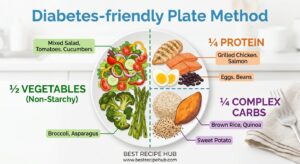
The ADA-recommended plate method provides a simple visual template for building balanced, blood-sugar-friendly meals.
This ratio naturally keeps carbohydrates at a reasonable level while filling your plate with fiber and protein that promote satiety and slow glucose absorption. It works for breakfast, lunch, and dinner—just adjust the ingredients to fit the meal.
How to Apply the Plate Method Without Measuring
You don't need a scale. Use a standard dinner plate (about 9 inches across). Visually divide it into halves, then divide one half into two quarters. Fill each section accordingly. After a few meals, it becomes second nature.
4 Dietitian-Built “Dr. Phil”—Inspired Recipes
Each recipe follows the plate method and uses straightforward, everyday ingredients. They're designed to be practical, not perfect—because consistency matters more than perfection.
Breakfast: Cinnamon-Berry Greek Yogurt Bowl
This bowl captures the warm cinnamon flavor of the viral drink but adds staying power through protein and fiber—critical for avoiding mid-morning blood sugar crashes.
Ingredients:
- 1 cup plain, unsweetened Greek yogurt
- ½ tsp ground cinnamon
- 1 tbsp chia seeds
- ½ cup mixed berries (fresh or frozen)
- 1 tbsp chopped walnuts
Why it works: Greek yogurt delivers about 20 grams of protein, which slows glucose absorption and promotes satiety. Berries are low on the glycemic index, and chia seeds add soluble fiber that forms a gel-like consistency in the stomach, further blunting glucose spikes.
Prep tip: Assemble three to four jars at once for grab-and-go breakfasts throughout the week.
Lunch: Mediterranean Quinoa Power Bowl
A balanced, high-fiber lunch that keeps energy stable through the afternoon.
Ingredients:
- ¾ cup cooked quinoa
- ½ cup black beans, rinsed and drained
- 1 cup chopped spinach or romaine
- ¼ avocado, sliced
- ¼ cup diced cucumber and tomato
- 2 tbsp lemon-tahini dressing
Why it works: Quinoa provides a complete protein with a low glycemic impact. Combined with black beans, you get a powerful fiber-protein matrix that digests slowly. The healthy fat from avocado and tahini further stabilizes glucose.
Batch prep: Cook a large batch of quinoa on Sunday and prepare the dressing in advance. When you want more variety, browse our full recipe archive for other balanced meal ideas.
Dinner: One-Pan Lemon-Herb Salmon with Roasted Vegetables
This meal comes together in under 30 minutes and delivers a generous dose of omega-3 fatty acids, which are linked to improved insulin sensitivity.
Ingredients:
- 5 oz salmon fillet
- 1 tbsp olive oil
- 1 tsp garlic powder, paprika, dried oregano
- 2 cups chopped broccoli, bell peppers, and cauliflower
- ½ cup diced sweet potato
Directions:
- Preheat oven to 400°F. Toss vegetables and sweet potato in olive oil and half the seasoning on a sheet pan.
- Roast vegetables alone for 15 minutes.
- Season the salmon with the remaining oil and spices. Add it to the pan and roast for another 12–15 minutes, until the fish flakes easily.
Why it works: Salmon provides high-quality protein and anti-inflammatory omega-3s. The generous serving of non-starchy vegetables fills half your plate, while a controlled portion of sweet potato satisfies the craving for something starchy without spiking blood sugar.
Variation: If you prefer chicken, this recipe works perfectly with a boneless, skinless breast. For lean protein swaps, ground poultry options work well in stir-fries and grain bowls. The air-fryer side dishes approach is also a fantastic way to prepare quick vegetable sides to round out any dinner.
Snack & Sips: Veggies, Hummus, and the Honest ACV Drink
Veggie Plate with Hummus
Cucumber slices, bell pepper strips, and carrot sticks paired with three tablespoons of hummus and a handful of almonds. The fiber and protein combination prevents the typical late-afternoon energy crash without any refined carbs.
The Honest Cinnamon-Apple Cider Vinegar Drink (Dietitian’s Version)
Since many readers specifically look for this drink, here's a version that maximizes safety and sets realistic expectations.
Ingredients:
- 8 oz warm water
- 1 tsp raw apple cider vinegar (start low)
- Juice of ½ lemon
- ¼ tsp ground cinnamon
- Optional: pinch of cayenne
Directions: Stir all ingredients together and sip slowly before or with a meal—never on an empty stomach.
What it can do: Help modestly slow the meal's glycemic impact. What it cannot do: Replace medication, reverse diabetes, or work in isolation.
⚠️ Important: If you take glucose-lowering medication (especially SGLT-2 inhibitors or insulin), talk to your doctor before making ACV a daily habit. It can interact with certain drugs and, in rare cases, worsen gastroparesis or erode tooth enamel.
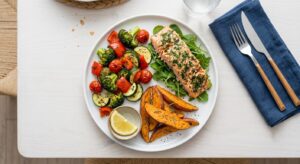
This 30-minute sheet-pan meal pairs lean protein with fiber-rich vegetables for a glucose-friendly dinner.
Blood Sugar Heroes vs. Hinderers
| Blood Sugar Heroes | Blood Sugar Hinderers |
|---|---|
| Non-starchy vegetables (broccoli, spinach, peppers) | Sugary drinks (soda, sweet tea, fruit juice) |
| Lean protein (chicken, fish, tofu, eggs) | Refined grains (white bread, white rice, sugary cereal) |
| Healthy fats (avocado, olive oil, nuts, seeds) | Fried foods and heavily processed meats |
| Legumes (lentils, chickpeas, black beans) | Packaged snacks with added sugar |
| Whole fruit (berries, apples, citrus) | Dried fruit with added sugar |
You don't need to eliminate every hinderer forever. The goal is to shift the ratio so that heroes fill the majority of your plate most of the time.
Practical Habits for Sustainable Glucose Control
Beyond recipes, the habits you build around food make the biggest long-term difference. Here are the practices that consistently work in real life:
- Walk after your largest meal. A 10-minute post-meal walk can reduce glucose spikes by up to 20 percent. It doesn't need to be vigorous—a gentle stroll is enough.
- Eat protein within an hour of waking. This helps stabilize morning blood sugar and prevents overeating later in the day.
- Prioritize sleep. Poor sleep raises cortisol, which directly increases blood glucose. Aim for 7–9 hours per night consistently.
- Hydrate with water first. Make water your default beverage. For unsweetened alternatives, explore different unsweetened tea varieties and infusions.
- Track patterns, not perfection. A simple food-and-glucose log reveals what works best for your body. You don't need an app—a notebook works fine.
- Master a small rotation of dishes. In practice, the biggest predictor of success isn't hunting for a single perfect meal, but mastering a tightly curated rotation of meals you genuinely enjoy and can repeat without second-guessing. Build a core set of 5–7 go-to dinners you can prepare in 30 minutes or less, and rotate them weekly. For fast options, quick weeknight dinner ideas are a great place to start.
Meal Prep Strategies That Actually Stick
Meal prep doesn't have to mean spending your entire Sunday in the kitchen. A more realistic approach yields better long-term consistency:
The 30-Minute Sunday Reset
- Wash and chop a large batch of non-starchy vegetables (broccoli, bell peppers, onions)
- Cook a batch of quinoa or brown rice
- Hard-boil 6–8 eggs for quick protein
- Portion out nuts, seeds, and berries into snack-sized containers
The "Cook Once, Eat Twice" Method
- Double dinner recipes intentionally—tonight's salmon becomes tomorrow's lunch bowl
- Roast extra vegetables to add to eggs or salads the next day
- Cook extra quinoa to use in breakfast bowls or as a lunch base
For more nutrient-dense meal ideas that follow the same balanced principles, browse our collection of healthy recipes designed for everyday cooking.
How to Read a Nutrition Label for Blood Sugar Management
Understanding food labels helps you make informed choices without guesswork. Focus on these four numbers:
- Total Carbohydrate: This is the most important number. Look for 30–45 grams per meal as a general starting point.
- Dietary Fiber: Subtract half the fiber grams from total carbs to estimate net carbs. Aim for at least 25 grams of fiber per day.
- Added Sugars: Keep this as low as possible—ideally under 10 grams per meal for most people.
- Serving Size: Always check the serving size. A package that looks like a single serving may actually contain two or three.
Dining Out Without Derailing Your Glucose
Eating away from home doesn't have to mean abandoning your plan. Use these practical strategies:
- Order vegetables first. Ask for a side salad or steamed vegetables before your main dish arrives.
- Request modifications. Ask for dressings and sauces on the side, substitute fries for a side salad, and request grilled instead of fried.
- Practice the plate method visually. Look at your plate and mentally divide it into halves and quarters, then rearrange portions as needed.
- Skip the bread basket. If it's not part of your planned meal, ask the server to remove it from the table.
Frequently Asked Questions
1. Is there an official Dr. Phil diabetes recipe? No. No verified recipe, meal plan, or cure has been published or endorsed by Dr. Phil McGraw. The name has been attached to a viral apple cider vinegar drink that has no proven medical backing.
2. What is the viral “Dr. Phil diabetes drink”? It typically combines warm water, apple cider vinegar, fresh lemon juice, and ground cinnamon. It is not a treatment for diabetes, and Dr. Phil has never endorsed it.
3. Can apple cider vinegar cure diabetes? No. ACV may modestly slow gastric emptying and reduce post-meal glucose spikes by about 4–6 percent, but it cannot cure, reverse, or replace standard medical care for diabetes.
4. What foods help control blood sugar naturally? Non-starchy vegetables, lean proteins, legumes, healthy fats, and low-glycemic grains like quinoa and barley. Pairing carbohydrates with protein, fiber, and fat is the most effective single strategy.
5. What is the best breakfast for blood sugar control? A high-protein, high-fiber meal such as Greek yogurt with berries, chia seeds, and nuts, or a vegetable-and-egg scramble with a side of whole-grain toast.
6. Should I stop taking my medication if I try natural remedies? No. Never stop or adjust medication without discussing it with your doctor. Natural remedies are complementary, not substitutive.
7. How much apple cider vinegar is safe to drink per day? Start with one teaspoon diluted in a large glass of water, taken with food. Do not exceed one to two tablespoons per day, and always dilute it to protect tooth enamel and the digestive tract.
8. How does the plate method work? Fill half your plate with non-starchy vegetables, one quarter with lean protein, and one quarter with complex carbohydrates. This naturally balances the meal without requiring exact gram counting.
The Bottom Line
The “Dr. Phil diabetes recipe” you were likely looking for doesn't exist as a single viral drink or a branded product. What does exist is a wealth of evidence-based, practical tools—the plate method, consistent meal timing, a short post-meal walk, and recipes built on fiber and protein—that genuinely support healthy glucose levels.
Start here this week: Build every dinner using the plate method. Pair it with a short walk after eating. Master one new recipe from this list. Small, consistent steps are the real “secret ingredient.”
This article is for informational purposes only and is not a substitute for professional medical advice. Always consult your doctor or a registered dietitian before making significant changes to your diet, especially if you take medication for diabetes. Explore More Balanced Recipes
If you found these meals helpful, there are plenty more options that follow the same fiber-and-protein-first philosophy. For quick weeknight dinners that won't spike your glucose, try our easy meatball recipe made with lean ground turkey or chicken—pair it with a generous side of roasted vegetables for a complete plate. When you need a portable, high-protein lunch, the easy cottage cheese wrap is a solid choice that takes minutes to assemble and travels well.
For breakfast variety beyond the yogurt bowl, our starbucks egg bites recipe offers a protein-rich, make-ahead option that reheats beautifully. And if you're craving something warm and comforting in the evening without the sugar rush, the hot toddy recipe can be adapted as an unsweetened nighttime tea (skip the honey and use a cinnamon stick for natural sweetness).
Bookmark this page and revisit it as you build your personal rotation—the real secret is finding five to seven meals you genuinely enjoy and can execute without thinking. That consistency is what moves the needle on your blood sugar over weeks and months, not any single ingredient or viral drink.