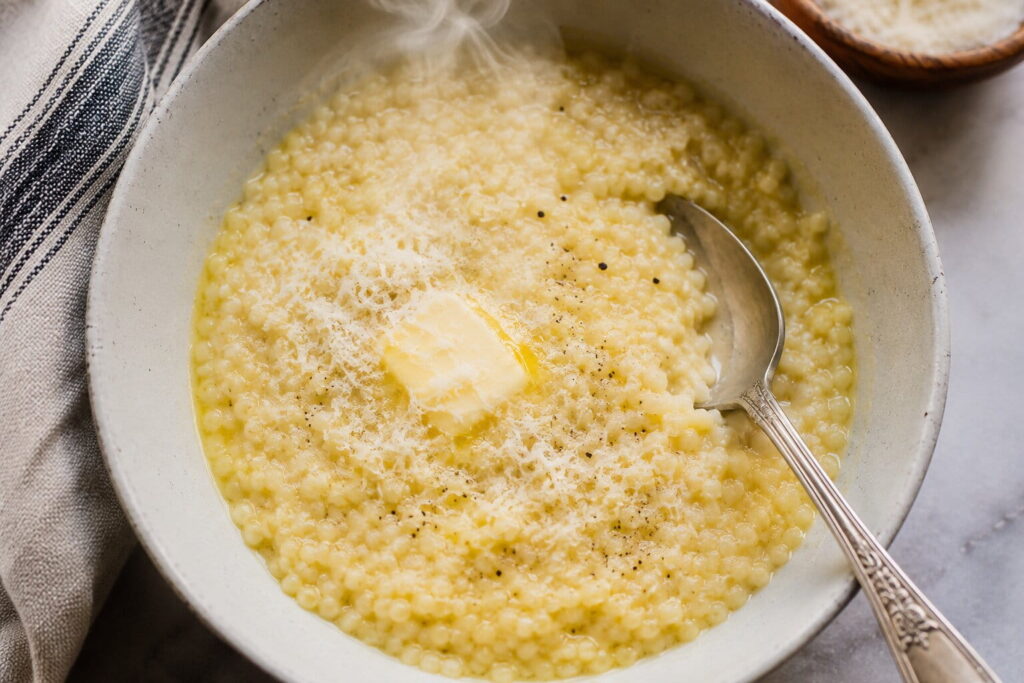
There’s a reason grandmothers across Italy have been making this dish for generations without ever writing down a formal recipe. Pastina isn’t just pasta – it’s medicine for the soul, served in a bowl.
If you grew up with an Italian (or Italian-American) nonna, you already know the feeling: a fever, a heartbreak, a bad day at school, and suddenly there’s a small pot on the stove and a bowl of tiny, buttery pasta stars waiting for you. If you didn’t grow up with that tradition, you’re about to adopt it.
This guide walks you through an easy pastina recipe that takes less than 15 minutes, uses ingredients you likely already have, and delivers exactly what its nickname promises: a warm hug in a bowl.
What Is Pastina, Exactly?
Pastina simply means “little pasta” in Italian. It refers to any tiny pasta shape that cooks in minutes and has a naturally soft, comforting texture.
Common pastina shapes include:
- Stelline – tiny stars, the most traditional shape
- Acini di pepe – small bead-shaped pasta
- Anellini – tiny rings
- Orzo – rice-shaped pasta, often used as a substitute
A traditional bowl of pastina typically includes:
- Small pasta shapes
- Broth or milk as the cooking liquid
- Butter for richness
- Parmesan cheese for savory depth
- A beaten egg (optional) for extra silkiness
The result is something closer to a savory porridge than a typical pasta dinner – and that’s exactly the point.
Why It’s Called “Italian Penicillin”
Ask any Italian-American family, and they’ll tell you pastina is the first thing served when someone is:
- Sick with a cold or flu
- Sad or in need of comfort
- Teething as a baby
- Simply having a rough day
It earned the nickname “Italian penicillin” long before chicken soup became the go-to American remedy.
I still remember my own first bowl after a bad flu as a kid – the warmth of the broth, the little stars sticking to the spoon, the way my grandmother stirred in butter like it was a sacred ritual. That memory is exactly why this dish has survived for over a century in immigrant kitchens across the U.S.
Why This Pastina Recipe Works
This isn’t just nostalgia talking – there’s real culinary logic behind why pastina delivers comfort so reliably:
- Small pasta shapes cook fast and absorb liquid well, creating a naturally creamy texture without heavy cream.
- Broth-based cooking infuses the pasta with flavor from the inside out, rather than relying on a separate sauce.
- Butter and Parmesan emulsify into the starchy cooking liquid, creating richness without complexity.
- The egg-and-cheese technique (borrowed from carbonara logic) adds silkiness and protein, making it filling enough for a light meal.
This is a dish built on technique, not ingredients – which is exactly why it’s forgiving for beginners and satisfying for experienced cooks.
Easy Pastina Recipe
Ingredients (Serves 2)
- 1 cup pastina (stelline, acini di pepe, or orzo work too)
- 2 cups chicken broth (or vegetable broth for a vegetarian version)
- 1 cup water
- 2 tablespoons unsalted butter
- ½ cup freshly grated Parmesan cheese
- 1 large egg (optional, for richness)
- Salt and black pepper, to taste
- Fresh parsley, chopped (optional garnish)
Pro tip: Use low-sodium broth if you plan to add Parmesan, since the cheese already brings significant saltiness.
Step-by-Step Instructions
- Bring the liquid to a boil. In a medium saucepan, combine the broth and water. Bring to a rolling boil over medium-high heat.
- Add the pastina. Pour in the pastina and stir immediately to prevent sticking. Small pasta shapes clump fast, so don’t walk away here.
- Cook until just tender. Reduce heat to medium and simmer for 5–7 minutes, stirring occasionally. Pastina cooks much faster than standard pasta, so check it early.
- Remove from heat and add butter. Stir in the butter while the pastina is still hot. It should melt into the starchy liquid, creating a light, creamy base.
- Whisk in the egg (optional but recommended). In a separate small bowl, beat the egg. Temper it by adding a spoonful of the hot pastina liquid first, then stir the egg mixture into the pot. This adds silkiness without scrambling.
- Finish with Parmesan. Stir in the grated Parmesan until fully melted and glossy.
- Season and serve. Add salt and pepper to taste. Garnish with parsley if desired, and serve immediately while warm.

Expert Tips for the Perfect Pastina
After making this dish dozens of times – for sick days, cold nights, and quick weeknight dinners – a few lessons stand out:
- Don’t overcook the pasta. Pastina goes from tender to mushy in under a minute. Taste-test starting at the 4-minute mark.
- Reserve extra broth. Pastina thickens quickly as it sits. Keep ¼ cup of warm broth on hand to loosen it before serving.
- Use real Parmesan, not the shelf-stable kind. Freshly grated Parmigiano-Reggiano melts smoother and adds far more depth.
- Egg tempering matters. Adding cold egg directly to a hot pot will scramble it. Always temper first with a spoonful of hot liquid.
- Salt gradually. Broth, Parmesan, and butter all contribute sodium – season at the very end, not the beginning.
Popular Pastina Variations
One of the best things about this recipe is how adaptable it is. Once you understand the base technique, you can customize it endlessly:
- Pastina with Egg (Classic Comfort Version) The most traditional version, using a whisked egg for richness – closest to what most Italian-American families grew up eating.
- Pastina in Milk (Sweet, Baby-Friendly Version) Swap broth for whole milk and skip the Parmesan for a softer, slightly sweet version often given to babies and toddlers starting solid foods. Add a touch of butter and a pinch of salt only.
- Pastina with Chicken and Vegetables Add shredded rotisserie chicken, diced carrots, and peas during the last few minutes of cooking to turn this comfort dish into a light, complete meal.
- Vegan Pastina Use vegetable broth, swap butter for olive oil or vegan butter, and use nutritional yeast instead of Parmesan for a plant-based version that still delivers savory depth.
Pastina vs. Other Comfort Pastas
It’s worth understanding how pastina compares to similar comfort dishes, since many people confuse it with other small-pasta preparations.
| Dish | Base Liquid | Texture | Typical Use |
| Pastina | Broth or milk | Soft, porridge-like | Sick days, kids, quick meals |
| Orzo pasta salad | Cooked and drained | Firm, separate grains | Cold side dish |
| Acini di pepe soup | Broth (chunky) | Soup with visible broth | Full soup meal |
| Risotto | Broth, added gradually | Creamy, starchy | Standalone entrée |
Pastina sits in its own category: it’s thicker than soup but softer than standard pasta, which is exactly what makes it so soothing.
Nutritional Snapshot (Per Serving, Approximate)
- Calories: ~280
- Protein: ~11g
- Carbohydrates: ~35g
- Fat: ~10g
- Sodium: 200–600mg (varies based on broth)
Quick adjustments:
- For a lighter version, reduce butter to one tablespoon and use low-sodium broth.
- For a protein boost, stir in a scoop of cottage cheese or extra Parmesan.
Storage and Reheating
Pastina is best enjoyed fresh, but leftovers can absolutely work with the right approach:
- Refrigerate in an airtight container for up to 3 days.
- Reheat gently on the stovetop over low heat, adding a splash of broth or water since the pasta continues absorbing liquid even in the fridge.
- Avoid microwaving on high, which can make the texture gummy – use 50% power and stir frequently.
- Skip the freezer. Freezing is not recommended, since the texture becomes grainy once thawed.

Why This Dish Has Lasted Generations
Food trends come and go, but pastina has quietly remained a staple in Italian-American households for over a century. Its staying power comes down to three things:
- Simplicity – five ingredients, one pot, minimal skill required.
- Emotional association – it’s tied to memories of being cared for, which makes it psychologically comforting, not just physically.
- Adaptability – it works for babies, sick adults, picky eaters, and anyone craving something warm and simple.
That combination is rare in cooking. Most comfort foods are either easy or meaningful – pastina manages to be both.
Final Thoughts
This easy pastina recipe proves that comfort food doesn’t need to be complicated. With a handful of pantry staples and about ten minutes, you can recreate a dish that has soothed generations of families through fevers, heartbreaks, and ordinary Tuesday nights.
Whether you’re making it for a sick child, a homesick moment, or simply because you want something warm and familiar, pastina delivers exactly what its nickname promises – a hug, in a bowl.
Frequently Asked Questions
What is pastina made of?
Pastina is made from tiny pasta shapes – usually stars, rings, or small beads – cooked in broth or milk and finished with butter, Parmesan cheese, and sometimes a beaten egg.
Is pastina the same as orzo?
No. While both are small pasta shapes, orzo is typically cooked and served separately like rice, while pastina is cooked directly in broth to create a soft, porridge-like consistency.
Can babies eat pastina?
Yes, pastina is a popular first pasta for babies starting solid foods. It’s often cooked in milk without added salt or cheese to keep it gentle on a baby’s digestive system.
Why is pastina called Italian penicillin?
Pastina earned this nickname because Italian and Italian-American families have long served it as a comfort dish for sick days, believing its warmth and simplicity help people feel better faster, much like chicken soup.
How long does pastina take to cook?
Pastina cooks in about 5 to 7 minutes, making it one of the fastest pasta dishes to prepare from start to finish.
Can I make pastina without egg?
Yes, the egg is optional. It adds richness and silkiness, but pastina is still delicious with just butter and Parmesan cheese.
What’s the best pasta shape for pastina?
Stelline (tiny stars) and acini di pepe are the most traditional choices, though any very small pasta shape, including orzo, will work well.
Can I freeze leftover pastina?
Freezing is not recommended, since the small pasta shapes absorb liquid and become grainy or mushy once thawed and reheated.