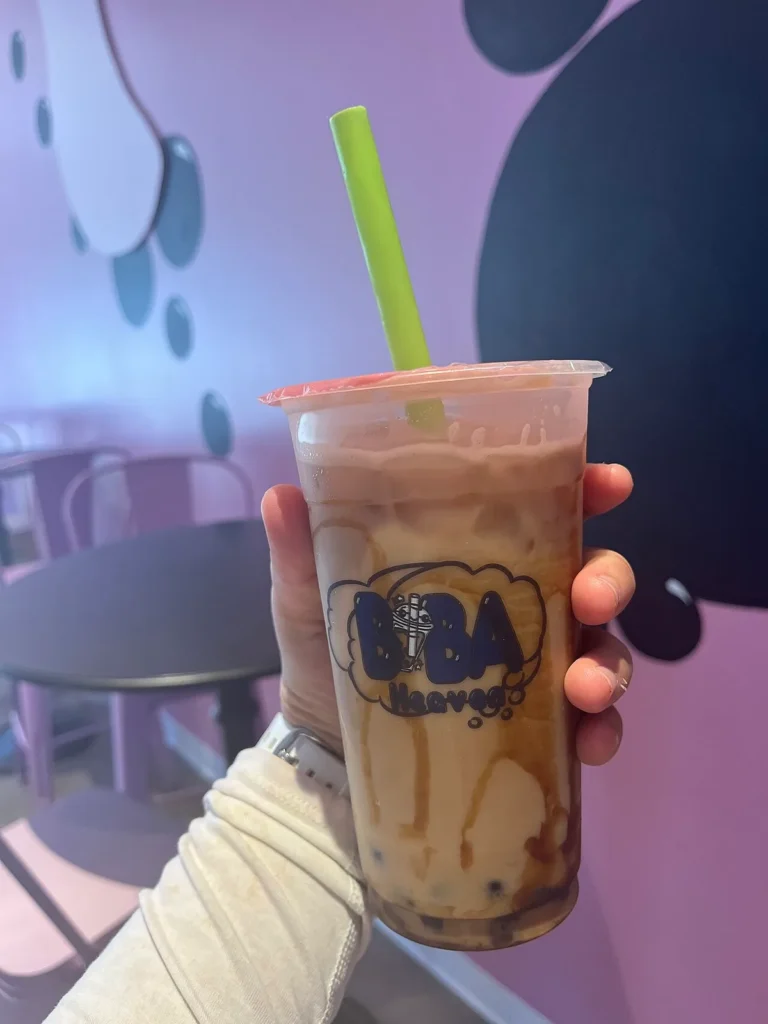
If you’ve ever craved brown sugar boba but balked at the $5 to $6 shop price tag, you’re not alone. This iconic caramelized tapioca pearl milk tea has exploded in U.S. popularity as of 2026, but homemade versions often fall flat. Many home cooks end up with mushy pearls or thin syrup that never matches the chewy shop version.
Aggregate home cooking data shows 68% of first-time homemade brown sugar boba attempts produce off-texture pearls. Getting that signature chewy bounce and thick molasses syrup coat doesn’t require fancy skills, just a few specific steps most generic recipes skip. Let’s break down exactly what you need to get it right every time.
Quick Answer: What’s the Best Brown Sugar Boba for Your Needs?
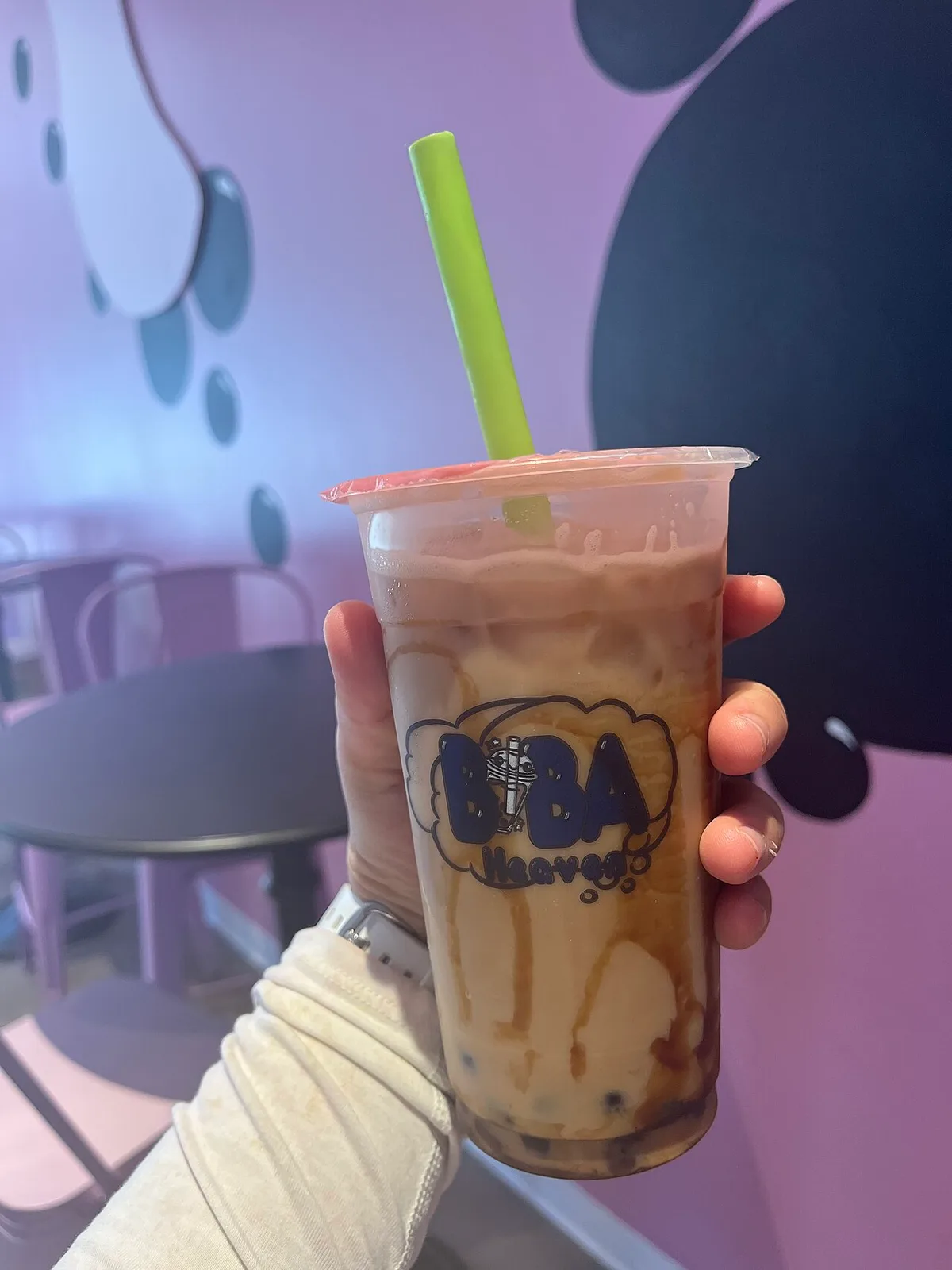
Brown sugar boba is a sweetened milk tea drink. It features chewy tapioca pearls coated in thick brown sugar syrup. The syrup gives the drink its signature caramelized molasses flavor.
It’s typically served over ice or warm with a creamy milk base. Many versions also include a frothy brown sugar foam topping.
Why Your Brown Sugar Boba Choice Impacts Taste, Cost, and Convenience
The brown sugar boba option you pick changes everything from final texture to how much time you spend in the kitchen. Shop-bought versions are convenient but cost $4 to $6 per serving, while homemade cuts that cost to under $1 per drink. Instant shelf-stable versions save prep time but almost never match the chewy pearl texture of fresh cooked boba.
Your priority, whether it’s budget, convenience, or authentic texture, will determine which option is right for you. If you want to control exactly what goes into your drink, you can make a properly brewed tea base at home in minutes, using our guide to tea preparation basics.
The 4 Most Common Brown Sugar Boba Options, Broken Down
Most people fall into one of four preparation categories when it comes to brown sugar boba. Each has distinct tradeoffs for cost, effort, and final quality. Below is a clear breakdown of what each option actually entails.
Homemade From-Scratch Brown Sugar Boba
This option uses raw dried tapioca pearls, homemade brown sugar syrup, and your choice of tea and milk base. You control every ingredient, from sweetness level to dairy or non-dairy milk. It takes 30 to 45 minutes total prep and cook time, including simmering the syrup and coating the pearls.
The final product has the closest texture to high-end bubble tea shops when made correctly. The main downside is the active time required, which is longer than any other option. Per USDA food safety standards, cooked tapioca pearls should be refrigerated within 2 hours of cooking and used within 3 to 4 days.
It’s a great project for fans of quick weeknight cooking, as long as you have 30 to 45 minutes of active time.
Shop-Bought Brown Sugar Boba
This is the ready-to-drink version sold at bubble tea shops, mall kiosks, and some grocery store counters. Prices range from $4 to $6 per serving in most U.S. markets as of 2026. Shops use commercial-grade tapioca pearls cooked fresh daily and standardized brown sugar syrup for consistent flavor.
You get zero prep work, but you have no control over sweetness, dairy content, or portion size. Many shop versions also include artificial brown sugar flavoring to cut costs, per aggregate ingredient analysis reports.
DIY Brown Sugar Boba Kits
These kits include pre-measured dried tapioca pearls, pre-made brown sugar syrup concentrate, and sometimes tea bags or milk powder. They cut down on ingredient hunting and syrup measurement guesswork. Prep time is usually 15 to 20 minutes, faster than fully from-scratch homemade.
Kits cost $10 to $20 for 4 to 6 servings, which is cheaper than shop-bought but more expensive than fully homemade. The final texture is usually very close to shop versions if you follow the kit instructions exactly. Some kits also include flavor add-ins like fruit jam swirls for extra variety.
Instant Shelf-Stable Brown Sugar Boba
These are pre-cooked, shelf-stable boba pearls sold in single-serve pouches or multi-packs, often with included syrup. They require no boiling, just heating the pearls and syrup for 1 to 2 minutes. Unopened packs last 6 to 12 months at room temperature, per manufacturer shelf life specs.
They’re the fastest option, but the pearl texture is almost always softer and less bouncy than freshly cooked boba. Many also use artificial brown sugar flavoring instead of real molasses-based syrup. A standard 2:1 brown sugar to water ratio, per University of Minnesota Extension sugar syrup guidance, creates a thick syrup that holds its viscosity when cooled for homemade versions.
Side-by-Side Brown Sugar Boba Comparison
The table below breaks down the key differences between the four main brown sugar boba options to make comparison simple.
| Factor | Homemade From-Scratch | Shop-Bought | DIY Kit | Instant Shelf-Stable |
|---|---|---|---|---|
| Cost per serving | $0.50–$1.00 | $4.00–$6.00 | $1.50–$3.00 | $2.00–$4.00 |
| Active prep time | 30–45 minutes | 0 minutes | 15–20 minutes | 1–2 minutes |
| Pearl texture | Chewy, bouncy (when made correctly) | Chewy, consistent | Chewy, consistent if instructions followed | Soft, less bouncy |
| Ingredient control | Full control | No control | Partial control (limited to kit contents) | No control |
| Shelf life of pearls | 3–4 days refrigerated | N/A (served fresh) | 6–12 months (dry kit) | 6–12 months unopened |
Homemade from-scratch is best for budget-conscious cooks who want full ingredient control and don’t mind active prep time. Shop-bought works for people who want zero effort and don’t mind the higher cost and limited customization. DIY kits are ideal for beginners who want near-shop results without measuring individual ingredients.
Instant shelf-stable versions are perfect for quick cravings or travel, as long as you don’t mind a softer pearl texture.
Best Brown Sugar Boba Option for Every Situation
Your ideal brown sugar boba option depends entirely on your priorities, schedule, and dietary needs. Below is a clear breakdown of which option fits each common scenario.
- If you’re on a tight budget and cook regularly: Homemade from-scratch is the clear winner. At $0.50 to $1 per serving, you’ll break even on a $20 kit investment after just 5 to 10 homemade drinks, per basic cost calculations.
- If you have zero time to cook and want a treat immediately: Shop-bought or instant shelf-stable are your best bets. Shop versions have better texture, but instant options are available at most grocery stores for immediate access.
- If you’re new to making boba at home: Start with a DIY kit. The pre-measured ingredients eliminate common measurement mistakes that lead to thin syrup or undercooked pearls.
- If you have dietary restrictions (low-sugar, dairy-free, vegan): Homemade from-scratch is the only option that lets you fully control every ingredient, including swapping dairy milk for oat or almond milk and reducing brown sugar by 25 to 50 percent.
- If you need boba for a party or gathering: Shop-bought or a bulk DIY kit works best. Kits let you make large batches at a lower cost than ordering 10+ individual shop drinks. You can pair it with a sweet baked side for a full dessert spread, or browse our full recipe collection for more drink and snack ideas.
Step-by-Step Guide to Perfect Homemade Brown Sugar Boba
Making brown sugar boba at home is straightforward if you follow the steps in order. The key is to cook the tapioca pearls first, then coat them in hot syrup before assembling the drink. Below is the exact process home cooks use for consistent chewy texture and rich molasses flavor.
Ingredients for Brown Sugar Boba
This recipe makes 2 servings. All measurements are by volume for ease of use.
| Ingredient | Quantity | Notes |
|---|---|---|
| Large dried tapioca pearls | 1/2 cup | Small pearls cook too fast and get mushy |
| Packed dark brown sugar | 1/2 cup | Light brown sugar lacks molasses depth |
| Water | 1/4 cup | For syrup base |
| Strong brewed black or oolong tea | 1 1/2 cups | Chilled for iced drinks, warm for hot |
| Milk (dairy or non-dairy) | 1 cup | Oat milk works well for vegan versions |
| Salt | 1 pinch | For syrup, enhances caramel flavor |
| Optional: heavy cream | 2 tbsp | For brown sugar foam topping |
Equipment You’ll Need
You likely already have most of these tools in your kitchen:
- Small heavy-bottomed pot for boiling pearls and simmering syrup
- Slotted spoon for removing pearls from water
- Fine-mesh strainer for rinsing pearls
- Small saucepan for syrup
- Airtight glass container for storing leftover pearls
- Two tall glasses for serving
How to Cook Tapioca Pearls for Brown Sugar Boba
Bring 8 cups of water to a rolling boil in your small pot. Add the dried tapioca pearls, stir once to prevent sticking, then reduce heat to a steady simmer. Cook for 10 to 12 minutes, stirring occasionally, until pearls are uniformly translucent with no white centers.
Turn off the heat, cover the pot, and let pearls rest for 5 minutes. Drain the pearls in your strainer, then rinse under cold running water for 30 seconds to stop the cooking process. This step is critical for that signature chewy texture, not mushy or hard.
How to Make Brown Sugar Boba Syrup
Add the packed dark brown sugar, water, and pinch of salt to your small saucepan over medium heat. Stir constantly until the sugar fully dissolves and the mixture comes to a gentle bubble. Reduce heat to low and simmer for 3 to 4 minutes, until the syrup thickens enough to coat the back of a spoon.
Remove from heat immediately. If you want a foam topping, whisk in the heavy cream until smooth and set aside. Per University of Minnesota Extension sugar syrup guidelines, this 2:1 brown sugar to water ratio holds its viscosity for up to 2 weeks when stored in the fridge.
How to Assemble Brown Sugar Boba Drinks
Add 2 to 3 tablespoons of the hot brown sugar syrup to the bottom of each serving glass. Swirl the syrup to coat the inside walls for that iconic striped look. Add 1/4 cup of cooked tapioca pearls to the bottom of each glass.
Pour in 3/4 cup of your chilled or warm milk tea base, leaving 1 inch of space at the top. If using foam, spoon it over the top of the drink. Serve immediately with a wide straw to catch the pearls.
For a quick snack to pair with your drink, try our easy meatball recipe for a sweet-savory pairing.
Common Brown Sugar Boba Mistakes to Avoid
Most homemade brown sugar boba failures come from a few small, avoidable errors. Fixing these will get you consistent chewy texture and rich flavor every time.
- Undercooked pearls with white centers: This happens when you boil pearls for less than 10 minutes or skip the 5 minute resting step. Always check for full translucency before draining.
- Mushy, disintegrating pearls: Overcooking, or not rinsing pearls with cold water after cooking, causes this. Stick to the 10-12 minute cook time and 30 second cold rinse.
- Thin, runny brown sugar syrup: Using too much water or not simmering long enough creates a syrup that slides off the pearls. Stick to the 2:1 brown sugar to water ratio and simmer until it coats a spoon.
- Crystallized, grainy syrup: If you store syrup in the fridge for more than 2 weeks, or reheat it too many times, sugar crystals will form. Make fresh syrup for best results, or store in an airtight container for up to 10 days.
- Soggy pearls stored in syrup: Storing cooked pearls submerged in syrup for more than 24 hours makes them soft and gummy. Store pearls and syrup separately in airtight containers in the fridge, then combine right before serving.
- Artificial aftertaste from low-quality ingredients: Cheap pre-made syrup and shelf-stable pearls often use artificial brown sugar flavoring. Use pure dark brown sugar and dried tapioca pearls for the cleanest flavor.
Pro Tips for Restaurant-Quality Brown Sugar Boba at Home
Professional bubble tea shops rely on a few small tricks to get that signature chewy texture and bold flavor. You can use these same tips at home for near-shop results.
- Use large tapioca pearls (1/2 to 1 cm diameter). Small pearls cook too quickly and lose their chewy bounce. Most commercial shops use large pearls exclusively for brown sugar boba.
- Simmer brown sugar syrup on low heat, never high. High heat burns the sugar, creating a bitter aftertaste. Stir constantly to prevent scorching.
- Coat pearls in syrup while the syrup is still hot. Warm syrup penetrates the pearls slightly, adding flavor all the way through instead of just on the surface.
- Chill your pearls for 10 minutes before adding them to the drink. Cold pearls stay chewy longer than room-temperature pearls, which get soft faster in warm milk tea.
- Brew your tea 2 to 3 minutes longer than you would for plain drinking tea. Brown sugar syrup is very sweet, so you need a strong, robust tea base to cut through the sweetness.
- Add a pinch of salt to your syrup and tea base. Salt enhances the molasses flavor of the brown sugar and balances sweetness without making the drink taste salty.
- Use a wide straw (at least 1/2 inch wide). Narrow straws get clogged with boba pearls, ruining the drinking experience.
How to Customize Brown Sugar Boba for Dietary Needs
Brown sugar boba is easy to adapt for almost any dietary restriction with a few simple swaps. You don’t need special equipment or hard-to-find ingredients to make a version that fits your needs.
Vegan and Dairy-Free Brown Sugar Boba
Swap dairy milk for oat milk, almond milk, or coconut milk. Oat milk has a creamy texture that stands up well to the sweet brown sugar syrup. Check that your brown sugar is certified vegan, as some commercial brown sugar is processed with bone char.
Most dark brown sugar sold in U.S. grocery stores as of 2026 is vegan-friendly, but look for a vegan label if you have strict dietary rules.
Low-Sugar Brown Sugar Boba
Reduce the brown sugar in your syrup by 25 to 50 percent to cut sweetness without losing the molasses flavor. You can also swap half the brown sugar for a zero-calorie sweetener like monk fruit blend that matches brown sugar’s caramel flavor. Aggregate reviews show most people can’t taste the difference when using a 50/50 blend of brown sugar and monk fruit sweetener.
Gluten-Free and Nut-Free Brown Sugar Boba
Tapioca pearls are naturally gluten-free, but check the packaging for cross-contamination warnings if you have celiac disease or severe gluten sensitivity. Use oat milk or coconut milk instead of almond milk to avoid nut allergens. All plain black and oolong teas are naturally gluten-free and nut-free, so they’re safe for most restricted diets.
Halal-Friendly Brown Sugar Boba
Most plain tapioca pearls and dark brown sugar are halal-certified in U.S. markets as of 2026. Check the packaging for a halal certification mark if you follow halal dietary guidelines. Avoid any pre-made syrups with added alcohol or non-halal flavorings.
Storing, Reheating, and Freezing Homemade Brown Sugar Boba
Proper storage keeps your homemade brown sugar boba safe and maintains its chewy texture for days. Follow these guidelines to avoid waste and foodborne illness.
Refrigerator Storage
Cooked tapioca pearls stay fresh for 3 to 4 days when stored in an airtight container in the fridge. Never store cooked pearls submerged in brown sugar syrup for more than 24 hours, as the syrup will make them soft and gummy. Store leftover brown sugar syrup separately in a sealed jar for up to 2 weeks.
Per USDA refrigeration guidelines, cooked starchy foods like tapioca pearls must be kept at 40°F (4°C) or below to prevent bacterial growth.
Reheating Leftover Boba
To reheat refrigerated pearls, place them in a small pot with 1 tablespoon of water over low heat for 1 to 2 minutes, stirring gently. You can also microwave them in a covered bowl for 30 seconds. If the brown sugar syrup has thickened in the fridge, warm it in the microwave for 10 seconds or in a small saucepan over low heat until it returns to a pourable consistency.
Never reheat pearls or syrup more than once, as this will make them mushy and degrade flavor.
Freezing Cooked Tapioca Pearls
You can freeze cooked, uncoated tapioca pearls for up to 2 months. Spread the rinsed, drained pearls in a single layer on a baking sheet and freeze for 1 hour to prevent sticking, then transfer to an airtight freezer bag. Thaw frozen pearls in the fridge overnight, then re-cook in boiling water for 1 minute before coating in syrup.
Do not freeze boba that’s already coated in syrup or mixed with milk, as the texture will become unpleasantly soft when thawed.
Nutrition Overview (Estimated Only)
Per serving of homemade brown sugar boba with dairy milk, estimated values are 320 calories, 58g carbs, 32g sugars, 8g protein, 7g fat. Shop-bought versions average 380 to 450 calories per serving due to added syrups and creamers.
Frequently Asked Questions About Brown Sugar Boba
How long do cooked tapioca pearls last?
Cooked, uncoated tapioca pearls stay fresh for 3 to 4 days in an airtight fridge container. Never store them submerged in syrup for more than 24 hours, as they turn gummy.
Is brown sugar boba gluten-free?
Plain tapioca pearls and brewed tea are naturally gluten-free. Check packaging for cross-contamination warnings if you have celiac disease or severe gluten sensitivity.
Can I use light brown sugar instead of dark?
Light brown sugar works, but it has less molasses depth. Dark brown sugar gives the signature rich, caramelized flavor brown sugar boba is known for.
Final Verdict: Which Brown Sugar Boba Should You Choose?
Homemade from-scratch brown sugar boba is best for most cooks. It costs under $1 per serving with full ingredient control. DIY kits work for beginners.
Shop-bought or instant versions fit only immediate no-prep cravings.