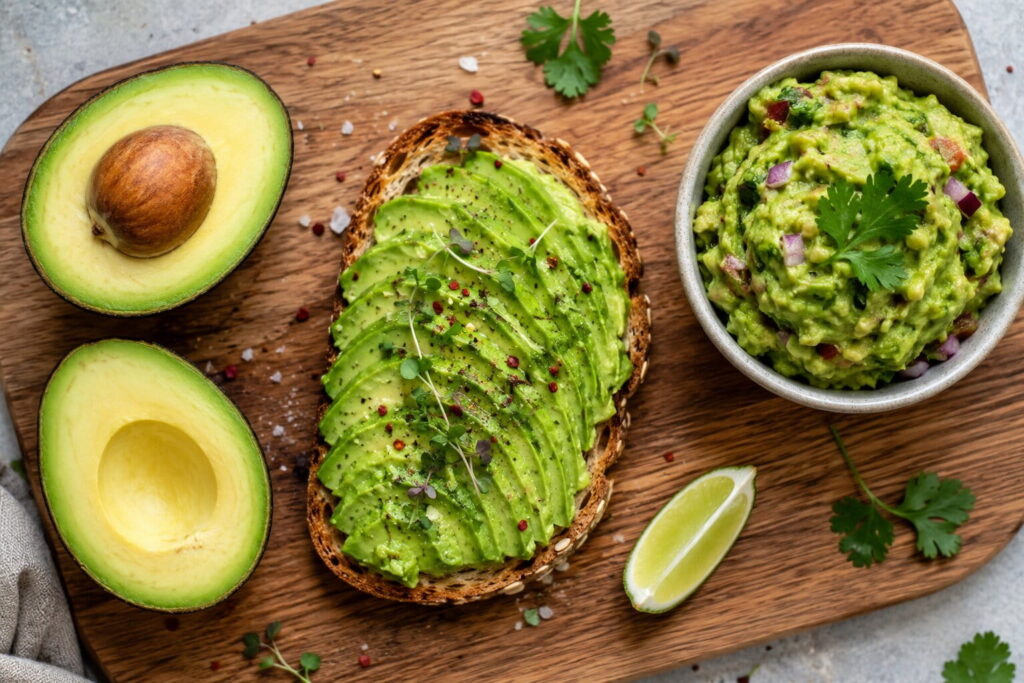
You’ve got a perfectly ripe avocado sitting on the counter. Maybe you’re tired of the same old toast, or maybe you’ve never cooked with one and feel a little intimidated. Either way, you’re in the right place.
After testing dozens of avocado dishes in my own kitchen—from rushed weekday lunches to brunch spreads that actually impressed guests—I’ve learned that this creamy fruit is far more versatile than most people realize. It can star in breakfast, lunch, dinner, snacks, and even dessert, all without requiring special equipment or hard-to-find ingredients.
This guide gives you 20 reliable avocado recipes, grouped by meal, plus the practical tips you need to pick, ripen, store, and cook with avocados like a pro. Every recipe here is beginner-friendly, uses affordable ingredients, and keeps the avocado front and center.
Why Avocados Deserve a Permanent Spot in Your Kitchen
Avocados aren’t just trendy—they’re genuinely useful. Here’s why they’re worth the occasional splurge.
Nutritional Highlights
- Heart-healthy fats: Most of the fat in an avocado is monounsaturated, the same type found in olive oil, which supports cardiovascular health when eaten in place of saturated fats.
- Fiber: One medium avocado provides about 10 grams of fiber—roughly a third of the daily recommended intake—helping with digestion and satiety.
- Potassium punch: A single avocado contains more potassium than a medium banana, which helps regulate blood pressure and muscle function.
- Vitamins and minerals: Avocados are a good source of vitamin K, vitamin E, folate, and vitamin C.
Practical Kitchen Benefits
- No cooking required for most preparations—just slice, mash, or blend.
- Naturally creamy texture makes it an excellent dairy-free substitute for butter, mayonnaise, or sour cream.
- Pairs with both savory and sweet flavors, from lime and cilantro to cocoa and maple syrup.
Avocado Nutrition at a Glance (per 150g medium avocado)
| Nutrient | Amount |
|---|---|
| Calories | ~240 |
| Total Fat | ~22g (mostly monounsaturated) |
| Fiber | ~10g |
| Potassium | ~975 mg |
| Sugar | <1g |
| Vitamin K | ~28% of Daily Value |
| Folate | ~20% of DV |
Source: USDA FoodData Central, accessed 2026.
How to Choose, Ripen, and Store Avocados
A recipe is only as good as its main ingredient. Here’s how to get the perfect avocado every time.
Selecting the Right Avocado
- Color (for Hass avocados): Dark, nearly black skin indicates ripeness. Green skin means it needs more time.
- Gentle squeeze: Holding the avocado in your palm, apply light pressure with your thumb. A ripe avocado yields slightly but doesn’t feel mushy.
- Stem test: Flick off the small stem cap. If the flesh underneath is bright green, it’s ready. If it’s brown or dry, the avocado is overripe.
Speeding Up Ripening
- Place the avocado in a paper bag with a banana or apple. These fruits release ethylene gas, which accelerates ripening.
- Keep at room temperature (65–70°F / 18–21°C). Check daily after 24 hours.
- Avoid the microwave or oven—they can cook the flesh unevenly and ruin the texture.
Storing Cut Avocados
- Brush the exposed flesh with lemon or lime juice to slow oxidation.
- Leave the pit in the unused half; it helps reduce browning.
- Wrap tightly in plastic wrap, pressing the wrap directly onto the surface to minimize air contact.
- Store in the refrigerator and use within 1–2 days.
20 Easy Avocado Recipes to Try This Week
Below, the recipes are grouped by meal so you can quickly find what fits your day.
 From left to right: avocado toast with egg, a breakfast bowl, shrimp tacos, and a quinoa salad.
Breakfast & Brunch Avocado Recipes
- Classic Avocado Toast – Mash ripe avocado with lime juice, salt, and red pepper flakes. Spread over toasted sourdough and top with a soft-boiled egg for extra protein.
- Avocado & Egg Breakfast Bowl – Combine sliced avocado, a fried or poached egg, and a handful of sautéed greens like spinach or kale. Add a drizzle of hot sauce.
- Avocado Smoothie – Blend half an avocado with spinach, a frozen banana, almond milk, and a teaspoon of honey. The avocado makes it luxuriously creamy without any dairy.
- Baked Avocado Eggs – Scoop a bit of flesh from each avocado half to create a well, crack an egg into it, season with salt and pepper, and bake at 400°F (200°C) for 12–15 minutes until the egg white is set.
- Avocado Breakfast Burrito – Fill a warm tortilla with scrambled eggs, black beans, salsa, shredded cheese, and sliced avocado. Roll tightly and grill for a crisp exterior.
Lunch & Salad Avocado Recipes
- Avocado Chicken Salad – Replace mayonnaise with mashed avocado. Mix with shredded cooked chicken, diced celery, red onion, and a squeeze of lemon. Serve on greens or in a wrap. For a quick protein boost, use leftover rotisserie chicken—see our healthy rotisserie chicken recipes for more ideas.
- Avocado Caprese Salad – Layer slices of avocado, fresh mozzarella, and tomato. Sprinkle with basil, salt, and a drizzle of balsamic glaze.
- Southwest Avocado Corn Salad – Toss diced avocado, grilled corn, black beans, red onion, and cherry tomatoes with a lime-cumin dressing. Perfect as a side or a light lunch.
- Avocado Tuna Salad Wrap – Mix canned tuna (drained) with diced avocado, chopped celery, and a squeeze of lemon. Spoon into a whole-wheat tortilla with lettuce.
- Avocado Quinoa Bowl – Combine cooked quinoa, avocado, cucumber, cherry tomatoes, and a simple vinaigrette. Add chickpeas or grilled chicken for protein.
Dinner Avocado Recipes
- Avocado Shrimp Tacos – Top grilled or sautéed shrimp with sliced avocado, shredded cabbage, and a squeeze of lime on corn tortillas. Serve with a chipotle crema.
- Avocado Pasta Sauce – Blend one avocado, a handful of fresh basil, a clove of garlic, olive oil, and lemon juice until smooth. Toss with warm pasta—the heat will coat the noodles without cooking the sauce.
- Stuffed Avocado with Ground Turkey – Halve and pit an avocado, scoop out a little flesh to make room, then fill with seasoned ground turkey, salsa, and shredded cheese. Broil for 3–4 minutes until the cheese melts.
- Avocado Salmon Bowl – Serve pan-seared salmon over rice with sliced avocado, cucumber, edamame, and a soy-ginger dressing. A satisfying, nutrient-dense dinner.
- Grilled Avocado with Chimichurri – Cut avocados in half, remove the pit, brush with oil, and grill cut-side down for 2–3 minutes. Top with fresh chimichurri (parsley, oregano, garlic, olive oil, vinegar).
Snacks, Dips & Sides
- Classic Guacamole – Mash avocados with lime juice, minced onion, cilantro, jalapeño, and salt. Leave it slightly chunky for the best texture.
- Avocado Hummus – Blend one avocado into a batch of traditional hummus (chickpeas, tahini, lemon, garlic). The color turns a beautiful pale green.
- Avocado Fries – Cut avocado into wedges, dip in beaten egg, then coat with seasoned breadcrumbs (or crushed pork rinds for keto). Bake at 425°F (220°C) for 12–15 minutes, or air-fry at 400°F for 8 minutes.
- Avocado Deviled Eggs – Replace the mayonnaise in the yolk filling with mashed avocado. Add a pinch of smoked paprika on top.
- Avocado Chocolate Mousse – Blend one ripe avocado with ¼ cup cocoa powder, 3 tablespoons maple syrup, and a teaspoon of vanilla extract. Chill for 30 minutes before serving. It’s rich, dairy-free, and surprisingly decadent.
Avocado Recipes for Every Diet
One of the best things about avocados is how naturally they fit into different eating patterns. The recipes above can work for specific dietary needs with a few simple swaps.
Keto and Low-Carb
- Avocado Fries – Use crushed pork rinds instead of breadcrumbs.
- Stuffed Avocado with Ground Turkey – No starchy fillers needed.
- Avocado Deviled Eggs – Naturally low in carbs.
- Grilled Avocado with Chimichurri – Perfect macronutrient balance.
For more keto-friendly ideas, browse our keto diet recipes collection.
Vegan and Plant-Based
- Classic Guacamole – Naturally vegan.
- Avocado Hummus – Skip the honey in sweet versions.
- Avocado Pasta Sauce – Use maple syrup instead of honey in desserts.
- Avocado Chocolate Mousse – Made with plant-based ingredients only.
Gluten-Free
- Avocado Quinoa Bowl – Quinoa is naturally gluten-free.
- Southwest Avocado Corn Salad – No wheat in sight.
- Avocado Salmon Bowl – Serve over rice or greens.
- Grilled Avocado – No gluten-containing ingredients.
High-Protein
- Avocado & Egg Breakfast Bowl – Two whole eggs plus avocado.
- Avocado Chicken Salad – Packed with lean protein.
- Avocado Shrimp Tacos – Shrimp is a low-fat protein source.
- Stuffed Avocado with Ground Turkey – High protein, moderate fat.
Pro Tips for Better Avocado Dishes
Small technique adjustments make a big difference in flavor and texture. Here’s what I’ve learned from years of cooking with avocados.
- Always add acid. A squeeze of lime or lemon brightens the flavor and slows browning. Even a splash of vinegar works in a pinch.
- Season in layers. Avocado is mild—it needs salt and acid to shine. Add salt gradually and taste as you go.
- Balance richness with crunch. Pair creamy avocado with something crisp: toasted seeds, nuts, crunchy vegetables, or a crisp tortilla chip.
- Don’t overmix guacamole. A slightly chunky texture tastes fresher and more satisfying than a smooth puree.
- Add avocado last to hot dishes. Prolonged heat can make avocado bitter. Stir it in just before serving, or use it as a cold topping.
- Mash with a fork, not a blender, for chunky dips and salads. The blender can turn avocado into a paste.
- Warm avocado slightly for smoother blending. Let it sit at room temperature for 10 minutes before making sauces or mousse—it purees much more evenly.
Common Mistakes to Avoid When Cooking with Avocados
Even experienced cooks run into these issues. Here’s what to watch for.
- Using underripe or overripe avocados. Underripe fruit is hard, flavorless, and impossible to mash. Overripe fruit turns stringy, brown, and bitter. A ripe avocado should yield slightly to gentle pressure.
- Skipping the acid. Without lime or lemon juice, avocado dishes brown quickly and taste flat. Acid is non-negotiable.
- Overheating avocado in cooked dishes. High heat for more than a minute or two breaks down the healthy fats and creates a bitter, unpleasant aftertaste. Always add avocado at the very end of cooking.
- Storing cut avocado without protection. Air exposure speeds up oxidation. Wrap tightly, brush with acid, and refrigerate.
- Under-seasoning. Avocado is naturally mild. Don’t be shy with salt, pepper, and acid. A good rule of thumb: season as you would a delicate fish.
- Cutting with a dull knife. A dull blade crushes the flesh instead of slicing cleanly, leading to uneven pieces and a bruised appearance.
How to Store Leftover Avocado Dishes
- Guacamole: Press plastic wrap directly onto the surface (no air pockets) and refrigerate for up to 2 days. The top may brown slightly, but a quick stir fixes it.
- Avocado toast toppings: Store mashed avocado separately from the bread to prevent sogginess. Assemble just before eating.
- Avocado smoothies: Best consumed fresh, but can be refrigerated in an airtight container for up to 4 hours. Stir before drinking.
- Cooked avocado dishes: Refrigerate in a sealed container and consume within 1–2 days for best texture. Reheat gently if needed.
Buying Avocados: Price, Season, and Selection Tips
Avocado prices and quality fluctuate throughout the year. Keep these buying strategies in mind.
- Peak season: Hass avocados are available year-round in the U.S., but supplies are highest in spring and early summer (March–June), which often means lower prices.
- Buy in stages: Purchase a mix of ripe and unripe avocados so you always have one ready without waste.
- Inspect bulk bins carefully: Loose avocados let you check each one individually. Pre-bagged bags often hide bruises or overripe fruit.
- Frozen avocado is a great backup: Pre-cut frozen avocado chunks work perfectly in smoothies, mousse, and sauces, and they eliminate the guesswork of ripening.
- Organic vs. conventional: Because avocados have a thick, inedible skin, pesticide residue is minimal. Organic is a personal choice, not a safety necessity.
Frequently Asked Questions
What is the healthiest way to eat avocado?
Eating avocado raw—in salads, on toast, or in guacamole—preserves the most nutrients, since heat can degrade some vitamins and alter the healthy fats. Pairing it with a source of vitamin C (like citrus) also helps your body absorb more of its nutrients.
How do you keep avocado from turning brown in recipes?
Coat cut surfaces with lemon or lime juice, minimize air exposure by wrapping tightly, and store with the pit intact. The acid slows the oxidation process.
Can avocado be used instead of butter or mayonnaise?
Yes. Mashed avocado can replace butter in baking (use a 1:1 ratio by volume, though you may need slightly less liquid) and replace mayonnaise in tuna salad, chicken salad, and deviled eggs. It adds creaminess along with healthy fats.
What foods pair best with avocado?
Avocado’s mild, buttery taste complements eggs, citrus, tomatoes, seafood, leafy greens, whole grains, and Mexican-inspired flavors like lime, cilantro, and chili. It also works surprisingly well with chocolate and cocoa.
Is it safe to cook avocado?
Yes, but it’s best added toward the end of cooking. Prolonged heat can make it taste bitter and cause the texture to become watery. Think of avocado as a finishing ingredient, not a simmering one.
How long does a ripe avocado last in the fridge?
A whole ripe avocado typically lasts 2–3 days in the refrigerator. Cut avocado should be used within 1–2 days for the best flavor and texture.
What can I make with avocado besides guacamole?
Avocado can be used in smoothies, salads, tacos, pasta sauces, baked eggs, sandwiches, dips, and even desserts like chocolate mousse. It’s one of the most versatile ingredients in the kitchen.
How do you tell if an avocado is ripe without cutting it?
Gently squeeze the avocado in your palm—if it yields slightly without feeling mushy, and the small stem flicks off easily to reveal green underneath, it’s ripe and ready to eat.
Final Thoughts
Avocados are far more than a trendy toast topping. They can carry breakfast, lunch, dinner, snacks, and even dessert, all while delivering healthy fats, fiber, and a creamy texture that’s hard to beat.
The key to success is simple:
- Choose ripe avocados.
- Balance their richness with acid, salt, and crunch.
- Add them at the right stage of cooking to preserve flavor and texture.
Start with one or two recipes from this list, and avocados may quickly become a kitchen staple. Whether you’re making a quick weeknight dinner or a brunch for friends, there’s an avocado dish ready to impress.
Try one of these recipes tonight—pick the one that fits your craving and see how versatile avocados can be. Need more cooking inspiration? Browse our full collection of recipes for more ideas, or check out our healthy dinner recipes for balanced weeknight meals. And if you’re in the mood for a crunchy snack, our easy air fryer nachos recipe makes a perfect companion to a bowl of guacamole.