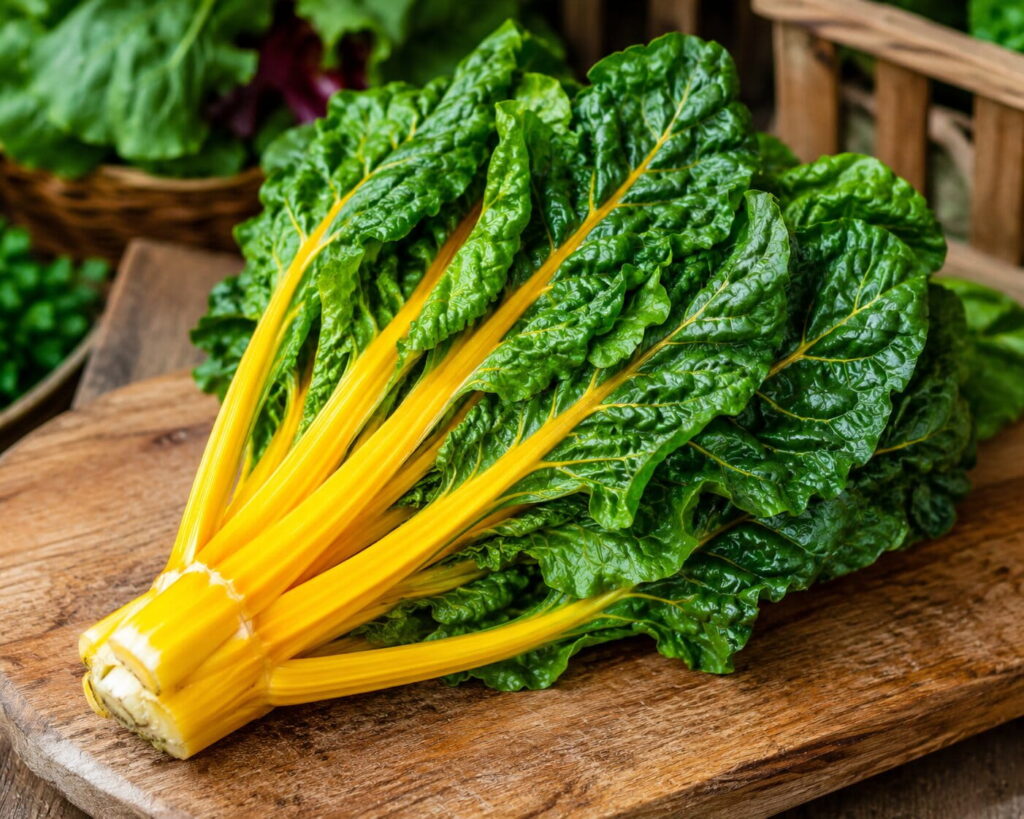
You spotted a bunch of yellow chard at the market—those ruffled, golden stems and deep green leaves practically begged to come home. Now it’s sitting in your fridge, and you’re wondering what to do next. That’s exactly the situation this guide is built for.
Yellow chard (a variety of Swiss chard) is one of the most forgiving and versatile greens you can cook. It’s milder than kale, sturdier than spinach, and the stems add a pleasant crunch once you know how to handle them. This article covers everything: how to prep it correctly, the best cooking methods, six tested recipes, and tips for choosing, storing, and pairing it with other foods. Whether you need a quick side for weeknight dinners or a base for a hearty grain bowl, these yellow chard recipes will keep you coming back for more. You can also read our guide on apple crisp recipe with oats.
What Is Yellow Chard?
Yellow chard is a cultivar of Swiss chard (Beta vulgaris subsp. cicla), part of the same family as beets and spinach. It’s often sold individually or as part of a “Rainbow Chard” mix, where red-, white-, and yellow-stemmed leaves are bundled together for visual contrast.
Key features:
- Appearance: Bright golden-yellow stems with dark green, slightly crinkled leaves.
- Flavor profile: Milder and less earthy than red chard, with a subtle sweetness. The stems taste like a cross between celery and a mild beet.
- Texture: Leaves are tender like spinach; stems are crisp and juicy when raw, softening with cooking.
- Season: Peak season runs from early summer through fall in most U.S. regions. Many farmers markets carry it well into October.
Yellow chard grows best in cool weather and can tolerate light frost, which actually sweetens its flavor. Home gardeners often harvest it from spring until the first hard freeze, picking outer leaves to encourage continuous production.
Nutritional Highlights
A single cooked cup of yellow chard is nutrient-dense and low in calories. It’s particularly rich in:
- Vitamin K – supports bone health and blood clotting (a single serving provides a significant portion of the daily recommended intake).
- Vitamin A – essential for eye health and immune function.
- Magnesium – plays a role in muscle and nerve function, plus blood pressure regulation.
- Fiber – aids digestion and promotes satiety.
- Potassium – helps maintain healthy blood pressure levels.
For reference, the National Institutes of Health Office of Dietary Supplements notes that vitamin K is found abundantly in leafy greens, with chard being one of the top sources. If you’re watching your sodium or looking to increase your intake of fat-soluble vitamins, yellow chard is an excellent choice.
How to Prep Yellow Chard: The One Trick Everyone Gets Wrong
The most common mistake is throwing the whole bunch into a hot pan at once. Chard stems and leaves cook at completely different speeds:
- Stems take 5–8 minutes to soften.
- Leaves wilt in under 90 seconds.
Cook them together, and you’ll end up with either raw, crunchy stems or mushy, overcooked greens. The fix is simple: always separate stems from leaves before cooking, and stagger when they hit the pan.
Step-by-Step Prep
- Rinse thoroughly. Chard grows close to the soil and often hides grit in the leaf ruffles. Swish it in a bowl of cold water rather than running it under the tap.
- Separate the stems. Fold each leaf in half lengthwise along the stem, then slice the stem out with a knife. You can also pull the leaf away by hand—it comes off easily.
- Chop the stems into ½-inch pieces (like you would celery). Keep them in a separate bowl.
- Slice the leaves into ribbons (a chiffonade) or tear them by hand for a more rustic look.
- Keep piles separate until it’s time to cook.
Separating the stems and leaves ensures even cooking and better texture in every dish.
Best Ways to Cook Yellow Chard
Yellow chard adapts to nearly every cooking method. Here are the core techniques worth mastering, from quick sautés to gentle braises.
1. Sautéing (The Everyday Method)
This is the fastest route to a flavorful side dish and the base for many of the recipes below.
- Heat 2 tablespoons olive oil or butter in a wide skillet over medium heat.
- Add minced garlic (2–3 cloves) and the chopped stems first. Cook 4–5 minutes until they begin to soften.
- Add the sliced leaves in batches, stirring until fully wilted, about 2–3 minutes.
- Finish with a squeeze of lemon, a pinch of red pepper flakes, and flaky salt.
Serve alongside a simple protein—try it with healthy rotisserie chicken recipes for a no-fuss dinner.
2. Braising
Braising turns chard silky and deeply savory, ideal for larger, tougher leaves.
- Sauté stems in olive oil with sliced shallot or onion for 3 minutes.
- Add leaves, a splash of broth or dry white wine, and a pinch of salt.
- Cover and simmer on low for 10–15 minutes, stirring once.
- Uncover, let the liquid reduce slightly, then finish with a drizzle of good olive oil.
This method pairs beautifully with oven-braised meats. Serve it alongside a slow-cook ribs recipe crock pot for a satisfying cold-weather meal.
3. Steaming
If you want maximum nutrient retention with minimal effort, steaming is your friend.
- Steam stems for 4 minutes, then add leaves for a final 2 minutes.
- Toss with olive oil, salt, and a splash of vinegar right before serving.
A steamer basket over an inch of simmering water works perfectly. Don’t overcook—the greens should be bright and tender, not mushy.
4. Raw in Salads
Young, tender yellow chard leaves don’t need cooking at all. The trick is to massage them first:
- Remove stems (use them in a sauté instead).
- Tear leaves into bite-size pieces.
- Drizzle with olive oil and a pinch of salt, then massage with your hands for 1–2 minutes until the leaves darken and soften.
- Toss with citrus, shaved parmesan, toasted nuts, or seeds.
This technique works exactly like kale salads and yields a tender, flavorful base.
Quick Reference: When to Choose Each Method
| Situation | Recommended Method |
|---|---|
| Short on time (under 10 minutes) | Sauté |
| Want velvety, fork-tender greens | Braise |
| Preserving nutrients with minimal oil | Steam |
| Making a cold salad or grain bowl | Raw, massaged |
6 Easy Yellow Chard Recipes to Try This Week
Each recipe uses the sauté-and-stagger technique described above. They range from a 10-minute side dish to a hearty main course.
1. Garlic Sautéed Yellow Chard (The Basic You’ll Use Forever)
This is the recipe to memorize. It works as a side for almost anything and takes under 15 minutes.
Ingredients: 1 bunch yellow chard, 3 cloves garlic (sliced), 2 tbsp olive oil, ¼ tsp red pepper flakes, 1 lemon, salt to taste.
Steps:
- Separate and chop stems and leaves.
- Sauté garlic in olive oil until fragrant (30 seconds).
- Add stems, cook 5 minutes.
- Add leaves in batches, cook until wilted.
- Finish with lemon juice and salt.
Why it works: The lemon cuts through the slight mineral flavor of the stems, and the red pepper flakes add just enough heat. Serve alongside almost any protein or grain.
2. Yellow Chard and White Bean Skillet
A one-pan dinner closer to a Tuscan-style stew than a side dish.
Steps:
- Sauté chopped stems with ½ diced onion and 2 cloves garlic in olive oil until soft (5 minutes).
- Add one can (15 oz) drained cannellini beans and 1 cup vegetable or chicken broth.
- Simmer 8 minutes, then stir in the chopped leaves until wilted (2 minutes).
- Top with grated parmesan and a drizzle of good olive oil.
This dish is naturally high in fiber and plant protein—a satisfying vegetarian dinner that doesn’t feel like a compromise.
3. Yellow Chard, Feta, and Egg Skillet
Chard and eggs are a classic Mediterranean pairing. The slight bitterness of the greens balances the richness of the yolk.
Steps:
- Sauté stems and leaves as in the base method.
- Make small wells in the wilted greens and crack one egg into each.
- Cover and cook until whites are set (about 4 minutes).
- Crumble feta on top, finish with black pepper and olive oil.
Golden sautéed yellow chard with eggs and crumbled feta in a skillet—a complete breakfast-for-dinner dish.
4. Yellow Chard Stuffed with Rice and Herbs (Chard Dolmas)
This recipe impresses guests but is simpler than it looks.
Steps:
- Blanch whole chard leaves in boiling water for 20–30 seconds, then shock in ice water.
- Mix cooked rice, chopped fresh dill, mint, parsley, pine nuts, and lemon zest.
- Fill each leaf and roll like a burrito, tucking in the sides.
- Arrange rolls in a baking dish, cover with broth, and bake at 350°F for 25 minutes.
Serve with a dollop of yogurt or tzatziki.
5. Creamy Yellow Chard Pasta
A weeknight pasta that turns leftover chard into something craveable.
Steps:
- Cook 8 oz pasta (penne or linguine work well); reserve 1 cup pasta water.
- Sauté chard stems and leaves with 2 cloves garlic and a pinch of nutmeg.
- Toss in the cooked pasta with a splash of pasta water, a knob of butter, and ½ cup grated parmesan.
- Stir until the liquid forms a light, creamy sauce. Season with salt and pepper.
For another quick pasta idea, see a simple pastina recipe—both make use of delicate greens and pantry staples.
6. Yellow Chard Chips
Like kale chips, but with a milder flavor that converts skeptics.
Steps:
- Tear leaves (no stems) into large pieces. Toss with olive oil and salt.
- Spread in a single layer on a baking sheet.
- Bake at 300°F for 12–15 minutes until crisp but not browned.
Watch closely in the last 2 minutes—chard chips go from golden to burnt quickly.
Yellow Chard vs. Red Chard vs. Rainbow Chard
If you’re standing in front of a bin wondering whether color matters, here’s the breakdown:
| Variety | Flavor | Best Use |
|---|---|---|
| Yellow chard | Mild, slightly sweet, least earthy | Sautéed, raw salads, light dishes where color matters |
| Red chard | More pronounced earthy, almost beet-like | Braises, stews, dishes where a red tint is okay |
| Rainbow chard | Mix of the three varieties | Visual appeal, any recipe where color variety is desired |
Bottom line: You can substitute any chard variety in most recipes. The one exception is a pale-colored risotto or a light broth—red chard can turn the whole dish pink. For those dishes, stick with yellow or rainbow chard.
Where to Buy Yellow Chard in the U.S.
Yellow chard isn’t always stocked in every grocery store. If your local supermarket only carries red or rainbow chard, try these sources:
- Farmers markets – especially from early summer through fall. Growers often sell individual color varieties.
- CSA boxes – community-supported agriculture shares frequently include chard as a staple summer green.
- Specialty grocery chains – stores like Whole Foods, Sprouts, and local co-ops tend to carry a wider range of chard varieties.
- Your own garden – chard is famously easy to grow and will keep producing leaves for months if you harvest from the outer leaves inward.
If you can only find rainbow chard, simply sort out the yellow-stemmed leaves, or use the whole bunch—the cooking methods in this guide work for all of them.
How to Choose the Best Yellow Chard at the Store
Look for these signs before you buy:
- Stems that are firm, glossy, and snap cleanly when bent slightly.
- Leaves that are deep green, crisp, and free of yellowing or browning edges.
- No slimy patches or dark, wet spots on stems or leaves.
- A heavy feel – a hydrated bunch will feel weighty for its size.
Avoid bunches that are wilted, have soft spots on the stems, or smell sour. Older, larger leaves are best for braising; smaller, younger leaves work well raw.
Pairing Yellow Chard With Other Ingredients
Once you know what complements chard, improvising becomes easy.
- Proteins: chicken thighs, white fish, chickpeas, white beans, eggs, Italian sausage, or a hearty slow-cook ribs recipe crock pot.
- Fats and acids: olive oil, butter, lemon, red wine vinegar, balsamic reduction.
- Aromatics: garlic, shallots, onion, fresh chili.
- Cheeses: parmesan, feta, goat cheese, pecorino.
- Grains: farro, rice, orzo, polenta.
A reliable formula: greens + garlic + acid + fat + a salty cheese. That combination almost never fails, whether you’re building a side dish or a full meal.
How to Store and Freeze Yellow Chard
Proper storage keeps chard fresh for nearly a week.
Refrigerator:
- Wrap unwashed chard loosely in a damp paper towel.
- Place in a plastic bag, leaving it slightly open for airflow.
- Store in the crisper drawer for up to 5 days.
- Do not wash before storing—excess moisture accelerates wilting and sliminess.
If your chard has gone slightly limp but isn’t slimy, revive it by soaking in ice water for 10 minutes.
Freezer:
- Blanch leaves for 2 minutes in boiling water, then shock in ice water.
- Squeeze out excess water and pat dry.
- Freeze in portioned bags for up to 8 months.
- Chop stems raw and freeze separately for future sautés (they don’t need blanching).
Common Mistakes to Avoid
- Overcooking the leaves. They only need 1–2 minutes once the pan is hot.
- Throwing away the stems. They’re edible, flavorful, and reduce food waste.
- Skipping the acid. A splash of lemon or vinegar at the end brightens the flavor.
- Under-salting. Leafy greens need more salt than most people expect once cooked down.
- Cooking stems and leaves together. Always stagger their cooking times.
- Washing before storing. This traps moisture and causes spoilage.
Frequently Asked Questions
Is yellow chard the same as Swiss chard?
Yes. Yellow chard is a specific color variety of Swiss chard. It has a slightly milder flavor than red or rainbow chard but is prepared the same way.
Do you need to remove the stems from yellow chard?
No, but you should cook them separately because they take longer to soften. The stems are edible and nutritious.
Can you eat yellow chard raw?
Yes, young tender leaves can be eaten raw. Massaging them with olive oil and salt for a minute or two softens the texture.
What does yellow chard taste like?
Mild, slightly earthy with a subtle sweetness—similar to spinach but with more texture. The stems taste like a mild celery or beet.
How long does yellow chard take to cook?
Stems: 5–8 minutes. Leaves: 1–3 minutes. Braising: 10–15 minutes for a silky result.
Is yellow chard healthy?
Yes. It’s low in calories and rich in vitamin K, vitamin A, magnesium, and fiber, making it a nutrient-dense addition to most diets.
Can I substitute yellow chard for spinach in a recipe?
Yes, in most cooked recipes. Chard is heartier and holds up better to sautéing and braising. You may need an extra minute or two of cooking time compared to spinach. It works well in dishes like a classic lasagna where greens are layered.
What’s the best way to store yellow chard?
Unwashed, wrapped loosely in a damp paper towel, inside a plastic bag in the refrigerator. Keeps fresh for about 4–5 days.
Conclusion
Yellow chard is one of the most rewarding greens to cook: it’s forgiving, versatile, and full of flavor once you master the simple trick of separating stems from leaves. Whether you sauté it in under 15 minutes, braise it into silky tenderness, or massage it raw into a salad, you’ll end up with a dish that’s both nutritious and satisfying.
Your next step: Pick up a bunch of yellow chard at the market or grocery store. Start with the garlic sautéed method—it will build your confidence and give you a go-to side dish you’ll reach for again and again. From there, work your way through the white bean skillet, the egg and feta breakfast-for-dinner, or any of the other recipes above. Before long, you’ll be grabbing chard by habit, not impulse.