A weak, watery beef stock that won’t set when chilled is almost always a beef stock bone selection problem. Most home cooks grab whatever discounted bones are at the supermarket without realizing different cuts yield wildly different results. Picking the right beef stock bone for your recipe cuts out wasted time and money on failed batches.
Per USDA Food Safety and Inspection Service guidelines, beef stock must simmer at a minimum of 180°F to extract collagen properly, a step that only works with the right bone base. We’ve broken down exactly which beef stock bone to pick for every cooking goal below.
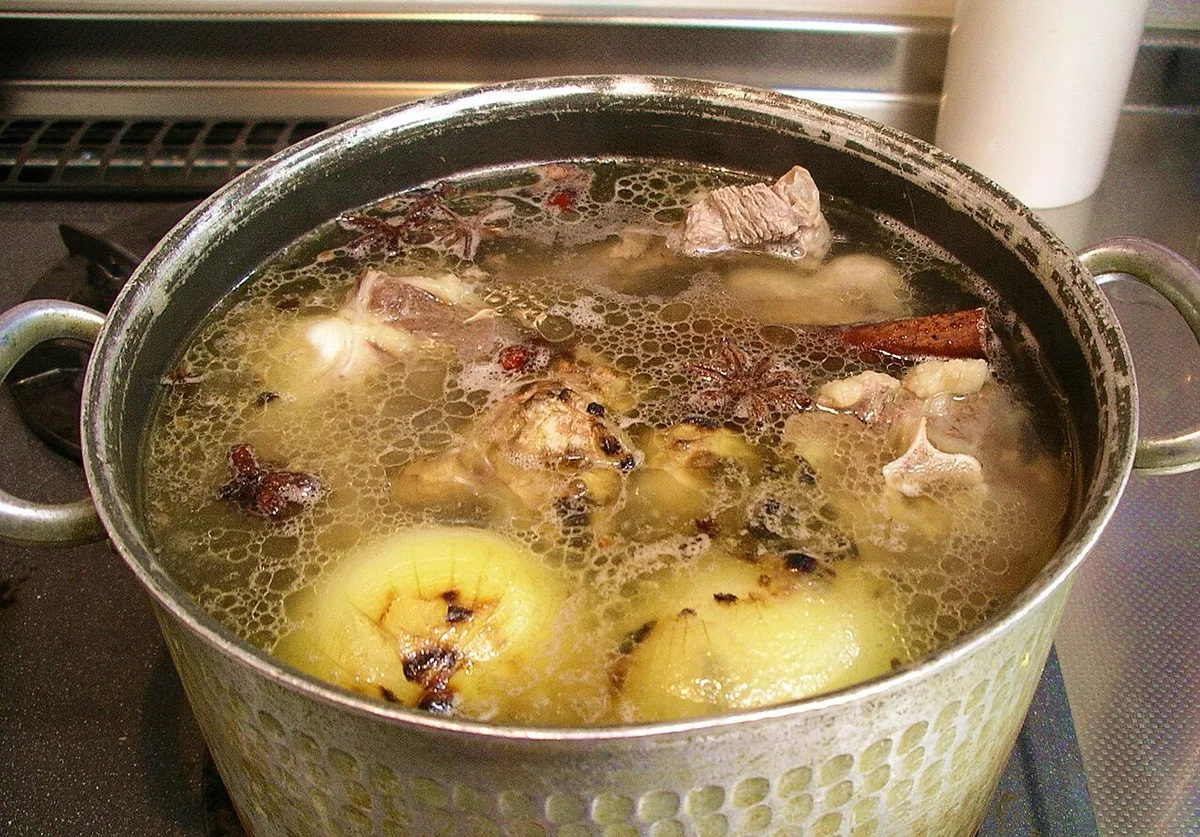
Quick Answer: Which Beef Stock Bone Is Right for Your Recipe?
The best beef stock bone depends on your recipe’s goal. Marrow bones add rich, deep roasted flavor. Knuckle bones yield high collagen for set stock.
Oxtail creates ultra-rich, gelatin-heavy broth. Mixed blends work for everyday budget stock.
Why Your Beef Stock Bone Choice Makes or Breaks Your Broth
Different beef bone cuts have wildly different levels of collagen, marrow, meat, and fat. These components determine your stock’s flavor depth, body, and whether it sets to a Jell-O-like consistency when chilled.
Bones with high collagen content, like knuckles and oxtail, break down into gelatin during slow simmering. This gives stock its signature rich, silky texture. Bones with more marrow, like femur bones, add deep, savory umami flavor but less gelatin.
Bones with very little connective tissue, like some mixed supermarket blends, often produce thin, watery stock that never sets. This wastes hours of simmering time and ingredients. Per USDA FSIS raw meat handling guidelines, proper bone prep also prevents foodborne illness from bacteria on raw bone surfaces.
This base works perfectly for hearty weeknight simmer pots, and also works as a savory cooking liquid for one-pot pasta dishes. Homemade beef stock also works as a flavorful base for savory meatloaf glaze, a use that requires a well-balanced, non-greasy stock. Per the Academy of Nutrition and Dietetics, homemade beef stock made with collagen-rich bones provides a natural source of protein and minerals.
The 6 Most Common Beef Stock Bone Types, Broken Down
Marrow Bones
These are cut from the center of beef femurs, with a large hollow core full of marrow. They deliver the deepest, most roasted savory flavor of all beef stock bones. They have low collagen content, so stock made solely from marrow bones will be flavorful but thin, and won’t set when chilled.
They’re best paired with higher-collagen bones like knuckles for balanced texture and flavor. As of 2026, pre-cut, halal-certified marrow bones are widely available at most US supermarket meat counters.
Knuckle (Leg) Bones
Cut from the ends of beef leg bones, knuckles are packed with connective tissue and collagen. They are the top choice for stock that sets firmly when chilled, making them ideal for bone broth and consommé bases. They have minimal marrow, so their flavor is milder than marrow bones.
Many cooks blend knuckle bones with marrow bones for the best balance of body and taste.
Oxtail
Oxtail is the tail of the beef, cut into thick, meaty rounds with high levels of collagen and fat. It produces ultra-rich, velvety stock with a deep, beefy flavor. It is more expensive than other bone cuts, so it is often used in small quantities to boost the gelatin and flavor of mixed bone blends.
It is a popular choice for ramen and pho broth bases, and works well for quick weeknight dinners that call for rich, flavorful bases.
Neck Bones
Neck bones are small, meaty cuts from the beef neck, with moderate collagen content and a good amount of attached meat. They add a hearty, beefy flavor to stock, and the attached meat can be removed after simmering to use in soups or tacos. They are an affordable, versatile option for everyday all-purpose stock.
Shank Bones
Beef shank bones come from the lower leg, with a high concentration of connective tissue and a small amount of marrow. They produce rich, gelatin-heavy stock with a slightly sweet, beefy flavor. They are tougher than other bone cuts, so they require a longer simmer time to fully break down their collagen.
Pre-Blended Mixed Beef Stock Bone Packs
Most supermarkets sell pre-mixed packs of beef stock bones, usually a blend of knuckle, marrow, and meaty neck or shank bones. These packs are convenient, budget-friendly, and designed to produce well-balanced all-purpose stock without needing to buy individual cuts. They are the best pick for beginner home cooks or anyone making weekly staple stock, and work perfectly as a base for easy meatball soup.
Side-by-Side Beef Stock Bone Comparison
| Bone Type | Collagen Yield | Flavor Profile | Best Use Case | Avg Cost per Pound (2026 USD) | Simmer Time Compatibility |
|---|---|---|---|---|---|
| Marrow Bones | Low | Deep, roasted umami | Flavor base for mixed stock | $4-$7 | Stovetop, Instant Pot, slow cooker |
| Knuckle (Leg) Bones | High | Mild, neutral | Jell-O-setting bone broth, consommé | $3-$6 | Stovetop, Instant Pot, slow cooker |
| Oxtail | Very High | Ultra-rich, beefy, fatty | Ramen/pho broth, premium stock booster | $8-$12 | Stovetop, slow cooker (long simmer required) |
| Neck Bones | Medium | Hearty, beefy, meaty | All-purpose soup/stew base | $2-$4 | Stovetop, Instant Pot, slow cooker |
| Shank Bones | High | Sweet, beefy, gelatin-heavy | Hearty stew stock, ramen base | $3-$5 | Stovetop, slow cooker (long simmer required) |
| Pre-Blended Mixed Pack | Medium-High | Balanced, versatile | Everyday staple stock, beginner use | $3-$5 | All methods |
For cooks prioritizing firm gelatin set, knuckle or shank bones are the top pick. For maximum roasted flavor, pair marrow bones with a high-collagen cut. For budget everyday use, pre-blended packs or neck bones deliver consistent results without the premium price tag of single-variety cuts.
Pick the Perfect Beef Stock Bone for Your Specific Cooking Goal
Best Bones for Rich, Jell-O-Setting Bone Broth
For stock that firms up like Jell-O when chilled, you need high-collagen bones. Knuckle bones are the top choice here, as they deliver the highest collagen yield per pound. Shank bones are a close second, with slightly more marrow for added flavor.
Blend a small amount of marrow bones with knuckles for a set stock with deeper roasted flavor. Avoid marrow-only or neck bone blends for this goal, as they lack sufficient collagen to form a firm gel.
Best Bones for Clear Consommé or Ramen Base
Clear consommé and ramen broth require bones with moderate collagen and minimal excess meat or fat that can cloud the liquid. Knuckle bones work well here, as their neutral flavor lets other seasonings shine. For extra body in ramen, add a small amount of oxtail or shank bones.
Avoid fatty oxtail-heavy blends for clear consommé, as excess fat will create a greasy surface.
Best Bones for Hearty Stew or Soup Bases
For thick, hearty stew and soup bases, you want bones with both collagen and attached meat for extra richness. Neck bones are ideal here, as their meaty content adds depth to the stock. Oxtail is also a great pick for ultra-rich, velvety stew bases, though its high cost means it is often used to boost mixed blends rather than as the sole bone.
Pre-blended packs work perfectly for this use case, as they usually include a mix of meaty and collagen-rich bones.
Best Budget-Friendly Options for Everyday Stock
For weekly staple stock without breaking the bank, neck bones and pre-blended mixed packs are the best value. Neck bones cost as little as $2 per pound as of 2026, and their meaty content adds flavor without needing extra ingredients. Pre-blended packs are priced similarly and take the guesswork out of bone selection for beginners.
Avoid premium single-variety marrow or oxtail packs for everyday use, as their higher cost doesn’t add enough benefit for simple soup or stew bases.
Common Mistakes to Avoid When Buying or Using Beef Stock Bones
The most frequent error is assuming all beef stock bone packs are identical. Supermarket mixed blends often contain mostly large marrow bones with very little collagen. This leads to thin, watery stock that never sets, even after hours of simmering.
Always check labels for bone variety percentages, or ask your butcher for a blend with at least 50% knuckle or shank bones for reliable results.
Another common mistake is skipping bone prep entirely. Many cooks dump raw bones straight into the pot. This leaves scum and impurities in the stock, creating a cloudy, off-flavor batch.
Blanching bones for 10 minutes before roasting removes blood and debris. This small step makes a huge difference in stock clarity and taste.
Over-roasting bones for a "deeper" flavor is another frequent misstep. Roasting at temperatures above 425°F for more than 45 minutes burns the marrow and creates bitter, acrid notes. Stick to 400°F for 30 to 40 minutes, turning once halfway, for optimal roasted flavor without bitterness.
Aggregate user reviews consistently report that over-roasted bones ruin otherwise good stock batches.
Using leftover roast bones without adjusting expectations also leads to disappointing results. Leftover bones from Sunday roast have already had some collagen cooked out, so they produce weaker stock than fresh raw bones. If you use them, add a few extra knuckle bones or a tablespoon of gelatin to boost the set.
Don't expect the same rich body as stock made from fresh raw bones. Pre-blended packs work perfectly for hearty meatball soup, a filling meal that comes together in under 30 minutes.
Step-by-Step Guide to Prepping Beef Stock Bones for Perfect Results
Prepping beef stock bones correctly takes 15 minutes of active work. It cuts down on simmer time and improves final quality. Follow these steps for consistent, restaurant-quality stock every time.
First, rinse raw bones under cold running water. Scrub off any visible blood or debris with a small brush. Pat completely dry with paper towels.
Dry bones roast better and produce deeper flavor than wet ones.
Second, arrange bones in a single layer on a rimmed baking sheet. Roast at 400°F for 30 to 40 minutes, turning once halfway through. You want golden brown edges and a faint savory smell, not blackened, charred spots.
If you prefer a lighter, clearer stock, skip the roasting step and move straight to blanching.
Third, transfer roasted bones to a large stockpot. Cover with cold water by 2 inches. Bring to a rolling boil, then reduce heat to maintain a gentle simmer.
Skim off any foam or scum that rises to the top with a slotted spoon. This step removes remaining impurities that cause cloudiness.
Fourth, add aromatics if using, like onion, carrot, celery, or bay leaves. Simmer for the recommended time for your bone type: 4 to 6 hours for stovetop, 90 minutes for Instant Pot, 8 to 10 hours for slow cooker. Never let the stock come to a full boil, as this emulsifies fat and creates greasy, cloudy stock.
This stock works as a savory base for quick weeknight dinners, from stews to easy pasta dinners.
Fifth, strain the stock through a fine-mesh sieve lined with cheesecloth into a clean container. Discard the bones and aromatics, or save bones for a second, weaker simmer batch. Let the stock cool to room temperature, then refrigerate.
The fat will solidify on top for easy removal, and the gelatin will set into a firm gel if you used enough collagen-rich bones.
Beef Stock Bone Cost & Value Breakdown
As of 2026, US retail prices for beef stock bones vary widely by cut and sourcing. The table below breaks down average costs and value for common use cases.
| Bone Type | Average Cost per Pound | Value Rating | Best For |
|---|---|---|---|
| Neck Bones | $2-$4 | Excellent | Budget everyday stock, meaty soup bases |
| Pre-Blended Mixed Pack | $3-$5 | Excellent | Beginner cooks, all-purpose weekly stock |
| Knuckle Bones | $3-$6 | Good | Bone broth, consommé, set stock |
| Shank Bones | $3-$5 | Good | Hearty stew stock, ramen base |
| Marrow Bones | $4-$7 | Fair | Flavor boost for mixed blends, marrow extraction |
| Oxtail | $8-$12 | Fair | Premium stock booster, small-batch specialty broth |
Budget-focused cooks get the most value from neck bones or pre-blended packs. These cuts cost less than $5 per pound and produce well-balanced stock for everyday use. Premium cuts like oxtail and marrow bones are worth the extra cost only if you need their specific flavor or texture benefits.
If you make stock weekly, buying in bulk from a local halal butcher lets you stock up for months of low-effort, hands-off meals without running out. Don't overlook end-of-week freezer sales, as many supermarkets discount bone packs by 50 percent to clear inventory.
Halal-Compliant Beef Stock Bone Buying Tips
Observant Muslim home cooks need to verify halal certification when buying beef stock bones. Cross-contamination with non-halal meat can occur at processing facilities if proper segregation protocols aren't followed. Look for a valid halal certification mark from a recognized body like the Islamic Food and Nutrition Council of America (IFANCA) on all packaging.
If buying from a local butcher, ask to see their halal certification documentation for the bones they sell. Many halal butchers sell individually cut, certified stock bones at lower prices than supermarket pre-packaged blends. Avoid unlabeled bulk bins at mixed meat counters, as these bones may come from non-halal sources or be cross-contaminated with pork or other non-halal products.
Frozen halal-certified beef stock bones from reputable online retailers are a good option if local options are limited. Check shipping and storage practices to ensure bones stay frozen at 0°F or below during transit, per USDA FoodKeeper guidelines. For cooks who process their own halal beef at home, leftover bones from slaughtered animals are an excellent, cost-free source of high-quality stock bones, as long as they are handled and stored properly.
These certified bones work perfectly for all your favorite home-cooked meals, from weeknight dinners to holiday feasts.
Frequently Asked Questions About Beef Stock Bones
Can you use leftover roast beef bones for stock?
Yes, you can use leftover roast bones for stock, but they produce weaker, less gelatin-rich batches than fresh raw bones. Add 1 to 2 extra knuckle bones or 1 tablespoon of unflavored gelatin to boost body and set. Avoid bones from heavily seasoned or sauced roasts, as these transfer odd flavors to the stock.
How long do beef stock bones last in the freezer?
Raw beef stock bones stay fresh in the freezer for up to 6 months when stored in an airtight container or heavy-duty freezer bag. Keep the freezer at 0°F or below, per USDA FoodKeeper storage guidelines. Thaw frozen bones in the refrigerator for 24 hours before use, never at room temperature, to prevent bacterial growth.
Do you have to roast beef stock bones before making stock?
No, roasting is optional, not required. Unroasted bones produce lighter, clearer stock with a milder flavor. Roasting adds deep, savory umami notes and a richer golden color.
Choose roasted bones for hearty stews and gravies, and unroasted bones for clear consommé or delicate broth bases.
What beef stock bone gives the most gelatin?
Knuckle, or leg, bones have the highest collagen content of all common beef stock bone cuts, so they yield the most gelatin when simmered. Shank bones are a close second, with slightly more marrow for added flavor. Oxtail also has very high collagen content, making it a great booster for mixed bone blends.
Can you reuse beef stock bones for a second batch of stock?
Yes, you can reuse beef stock bones for a second, weaker batch of stock. Simmer the used bones for an additional 4 to 6 hours with fresh water and aromatics. The second batch will have a milder flavor and less gelatin, so it works well as a base for light soups or cooking liquid for rice and grains.
Expert Tips for Getting the Most Out of Your Beef Stock Bones
Add cheap collagen boosters to low-yield bone blends
Toss 1 to 2 chicken feet per pound of beef stock bones into your pot if your mix is low on knuckle or shank cuts. This adds collagen for a firm set without the premium cost of extra high-yield bones. It’s a trick many home cooks miss that cuts waste and boosts results.
Buy bones in bulk for long-term savings
Local halal butchers often sell 10-pound bone bags for 30 percent less per pound than supermarket pre-packaged blends. Portion them into 1-pound freezer bags and store for up to 6 months. This brings your per-batch stock cost to under $1 for most weekly home cooks.
Season stock only after simmering completes
Adding salt at the start of simmering draws moisture out of bones early, reducing flavor extraction. Wait until the stock is fully strained and cooled to season to taste. This lets you adjust sodium levels for the specific recipes you’ll use the stock in, from soups to grain cooking liquids.
Final Decision Guide: Which Beef Stock Bone Should You Buy?
Pick knuckle bones if you need stock that sets firmly when chilled
These high-collagen cuts are the only option for Jell-O-setting bone broth or clear consommé. Pair with a small amount of marrow bones for extra roasted flavor if desired.
Choose pre-blended mixed packs if you’re a beginner or make weekly staple stock
These convenient, budget-friendly blends take the guesswork out of bone selection. They produce well-balanced all-purpose stock for soups, stews, and simmer pot recipes without needing to buy individual cuts.
Select neck bones for the lowest-cost all-purpose stock
At $2 to $4 per pound as of 2026, neck bones deliver meaty, hearty flavor for everyday use. Their attached meat can even be removed after simmering to use in tacos or soups for extra value.
Add oxtail only for specialty premium broth
Oxtail’s high cost makes it a poor choice for everyday stock, but a small amount added to mixed blends boosts richness for ramen, pho, or holiday stew bases.
Skip marrow-only packs unless you specifically want to extract marrow
These low-collagen cuts produce flavorful but thin stock that won’t set. Use them only if you’re roasting bones to scoop marrow for spreads or recipes, not for stock making.