If you’re planning a backyard cookout, pool party, or bridal shower, you need a drink that serves a crowd without chaining you to a blender. This easy white sangria recipe delivers exactly that: ten minutes of active prep, one pitcher, a few hours of chilling, and then it works for you. I’ve made this version for everything from Fourth of July barbecues to rooftop birthdays, and it never fails. The secret isn’t a complicated technique—it’s understanding how the ingredients interact. Get the balance right, and people will ask for the recipe before the ice melts.
Why This Easy White Sangria Recipe Wins Every Time
Most sangria recipes are either too sweet, too boozy, or just forgettable. This one avoids all three traps. Here’s what years of trial and error have taught me:
- Macerate the fruit for at least 2 hours. This is the step people skip, and it’s the most important. The fruit needs time to release its juices into the wine and absorb the alcohol in return. Overnight maceration is even better.
- Use a dry white wine. A wine that’s already sweet will become cloying once you add fruit, liqueur, and soda. Dry wine gives you room to control the sweetness.
- Add the sparkling element at the last minute. Club soda or sparkling wine goes in right before serving. Add it earlier and you’ll pour flat sangria.
- Sweeten conservatively at first. You can always stir in more simple syrup or honey after tasting. You cannot take sugar out.
These principles aren’t just personal preferences—they reflect how maceration, carbonation, and sugar chemistry actually behave. That’s why this recipe holds up whether you’re serving four people or forty.
What Is White Sangria? (And How It Differs From Red)
White sangria is a chilled Spanish-style wine punch made with white wine instead of the traditional red. It typically combines wine with fresh fruit, a splash of brandy or orange liqueur, a sweetener, and a bubbly finish right before serving.
Compared to red sangria, white sangria is:
- Lighter and crisper – better suited to hot weather
- Less tannic – smoother on the palate, especially for guests who find red wine heavy
- More versatile with fruit – peaches, citrus, and berries all shine without competing with tannins
Think of it as the wine world’s answer to a fruit-forward summer cocktail: festive, easy to batch, and forgiving if you don’t measure perfectly.
The 5 Golden Rules for Perfect White Sangria
- Start with a dry, unoaked white wine. Oak and heavy vanilla notes clash with fresh fruit.
- Balance sweet, tart, and boozy. Use citrus for tartness, a modest amount of liqueur for depth, and sweetener only to smooth the edges.
- Always macerate. Two hours minimum, eight hours ideal. Cold temperatures slow the process, so refrigerate while it sits.
- Add fizz at the end. Carbonation is fleeting; preserve it until the last possible moment.
- Serve over ice, not without it. The ice dilutes the punch slightly as it melts, which is exactly what a strong sangria needs to stay refreshing.
Ingredients You’ll Need (With Smart Substitutions)
Here’s the base ingredient list for an easy white sangria recipe that serves 6–8 people.
Base Liquid
- 1 bottle (750ml) dry white wine — Sauvignon Blanc, Pinot Grigio, or Albariño all work well
- ½ cup orange liqueur (Cointreau, triple sec, or Grand Marnier)
- ¼ cup brandy — optional, but adds warmth and depth
- ¼ cup simple syrup or honey — add more to taste after maceration
Fruit (about 3–4 cups total)
- 1 orange, thinly sliced
- 1 lemon, thinly sliced
- 1 peach or nectarine, sliced into wedges
- 1 cup fresh strawberries, halved (or quartered if large)
- ½ cup green or red grapes, halved
To Finish
- 1–1½ cups chilled club soda or sparkling wine
- Ice, for serving
- Fresh mint leaves, for garnish
Substitution tips: Any ripe stone fruit works in place of peaches. Swap strawberries for raspberries or blackberries. If you don’t have orange liqueur, try a splash of peach schnapps or just skip it and add a bit more simple syrup.
Step-by-Step Instructions (Don’t Skip the Maceration)
- Prep the fruit. Wash everything. Slice citrus thinly (the rind adds aroma). Halve strawberries and grapes. Cut stone fruit into small wedges. Smaller pieces release juice faster.
- Combine the base. In a large pitcher, stir together the white wine, orange liqueur, brandy, and simple syrup. Taste it now—it should be pleasantly wine-forward, not sweet.
- Add the fruit and chill. Gently fold the fruit into the liquid. Cover the pitcher and refrigerate for at least 2 hours, preferably 8–12 hours. The fruit will soften, and both the wine and fruit will exchange flavors.
- Add the fizz right before serving. Stir in the chilled club soda or sparkling wine. Gently mix.
- Serve over ice. Fill glasses with ice, ladle in the sangria (including plenty of fruit), and garnish each glass with a sprig of fresh mint.

Photograph showing the perfect pour: sangria, fruit, and ice fill a clear glass.
Best White Wine for Sangria (Expert Recommendations)
Choosing the right bottle matters more than most people expect. You want something dry, high in acidity, and free of heavy oak. The fruit and liqueur should star, not compete with buttery notes.
| Good Choices | Why They Work |
|---|---|
| Sauvignon Blanc | Crisp, citrusy, budget-friendly |
| Pinot Grigio | Light and neutral, lets fruit lead |
| Albariño | Slightly saline, pairs beautifully with stone fruit |
| Dry Riesling | Aromatic, complements peach or apricot |
| Verdejo | Herbal edge that stands up to mint garnish |
Avoid: Heavily oaked Chardonnay (too buttery), any dessert wine (the pitcher will end up sugary), and sweet Moscato (compounds with added liqueur).
You genuinely don’t need an expensive bottle here. A $10–$15 bottle is perfect—the fruit and liqueur do most of the flavor work. For a non-alcoholic version, see the FAQ below.
Flavor Variations to Try
Once you’ve nailed the base recipe, riff on it for different occasions. Each variation keeps the same core structure: wine (or juice), fruit, sweetener, and a bubbly finish.
- Peach White Sangria — Double the peaches and add a splash of peach schnapps in place of the orange liqueur.
- Berry White Sangria — Swap in blueberries, raspberries, and blackberries. Garnish with a few whole berries.
- Tropical White Sangria — Use pineapple chunks, mango cubes, and a splash of coconut rum. Skip the brandy.
- Herb-Infused Sangria — Add a few sprigs of rosemary or basil during maceration. Remove before serving for a subtle, fragrant twist.
- Non-Alcoholic White Sangria — Replace wine with chilled white grape juice and soda water. Omit the liqueur and brandy. The fruit carries the flavor beautifully.
How to Make a Big-Batch for Parties (Scaling Table)
Hosting more than 10 guests? Scale the recipe using this tried-and-true ratio. A drink dispenser with a spigot keeps the line moving and saves you from constant pitcher refills.
| Number of Guests | Wine Bottles | Mixed Fruit (cups) | Liqueur | Brandy (optional) | Club Soda |
|---|---|---|---|---|---|
| 6–8 | 1 | 3–4 | ½ cup | ¼ cup | 1 cup |
| 12–15 | 2 | 6–8 | 1 cup | ½ cup | 2 cups |
| 20+ | 3 | 10–12 | 1½ cups | ¾ cup | 3 cups |
Pro tip: Set up a self-serve station with ice in a bucket, glasses, and a ladle. Label the pitcher with a cute tag so guests know what they’re drinking.
Make-Ahead and Storage Tips
- Make the wine-and-fruit base up to 24 hours ahead. The flavor actually improves as the fruit continues to macerate.
- Add the sparkling element only right before serving. Never store it fizzy.
- Store leftovers in an airtight container in the refrigerator for up to 2 days. The fruit will continue to soften, so strain it out if the texture bothers you.
- Freeze leftover fruit from the pitcher into ice cube trays. Those boozy fruit cubes make an amazing garnish for your next round.
Common Mistakes to Avoid
- Using overly sweet wine. It compounds with the liqueur and sugar, making the drink cloying. Always start dry.
- Skipping the maceration time. The flavor payoff genuinely depends on this step. Two hours is the bare minimum.
- Adding soda too early. It goes flat before your guests even arrive. Top it off right before serving.
- Overloading with liqueur. A little goes a long way; too much and the wine gets lost behind a wall of alcohol.
- Using bruised or overripe fruit. It breaks down too fast and clouds the pitcher. Choose firm, ripe fruit.
- Forgetting to chill the soda. Adding warm soda to a cold pitcher messes up the temperature and accelerates dilution.
Serving Suggestions: What to Pair With Your Sangria
A pitcher of white sangria calls for food that complements its bright, fruity character. Here are a few ideas:
- Light appetizers like a creamy dip for game day — try our Buffalo Chicken Dip Recipe for a crowd-pleasing starter.
- Crispy snacks that stand up to a cold drink — our Easy Air Fryer Nachos Recipe is ready in minutes.
- A make-ahead side that travels well — the Dense Bean Salad Recipe is perfect for potlucks.
- Main dishes that don’t compete — check out these Healthy Rotisserie Chicken Recipes for effortless summer dinners.
- A sweet ending — pull-apart Monkey Bread Recipe is the dessert everyone reaches for.
For a complete summer menu, browse the full collection of tried-and-true recipes on our site.
Alcohol Content and Responsible Serving
An 8-ounce serving of white sangria (including fruit and ice) typically contains about 8–10% alcohol by volume, depending on the wine and liqueur you use. That’s comparable to a standard glass of wine but sneaky because the fruit and sweetness mask the alcohol.
The U.S. Dietary Guidelines define moderate drinking as up to one drink per day for women and up to two for men. One serving of this sangria counts as roughly one standard drink. Always provide non-alcoholic options (see the variation above) and plenty of water at your party.
Nutritional Snapshot (Approximate per 8 oz Serving)
| Nutrient | Amount |
|---|---|
| Calories | 150–180 |
| Carbohydrates | 14–18 g |
| Sugar | 12–16 g |
| Alcohol by volume | 8–10% |
These numbers shift based on your wine, liqueur, and sweetener choices. Using a drier wine and less simple syrup brings them down; adding extra fruit or honey will raise them. Treat this as a rough guide, not a strict count.
Frequently Asked Questions
Q: What is the best wine to use for white sangria?
A: A dry, crisp white wine like Sauvignon Blanc, Pinot Grigio, or Albariño. Avoid oaked Chardonnay and any dessert wine.
Q: How long should white sangria sit before serving?
A: At least 2 hours in the refrigerator. Overnight (up to 24 hours) gives the best flavor. Always add the bubbly element just before serving.
Q: Can I make white sangria without alcohol?
A: Yes. Replace wine with chilled white grape juice, skip the liqueur and brandy, and finish with soda water. For another refreshing no‑alcohol option, try our Thai Tea Recipe — it’s creamy, sweet, and a total crowd-pleaser.
Q: What fruit goes best in white sangria?
A: Citrus (orange, lemon), stone fruit (peaches, nectarines), and berries (strawberries, grapes) are classic. Any ripe, in-season fruit works.
Q: How far in advance can I make white sangria for a party?
A: Prepare the wine, liqueur, and fruit mixture up to 24 hours ahead. Add club soda or sparkling wine right before serving to keep it fizzy.
Q: Does white sangria need to be sparkling?
A: No, but the fizz gives it a lighter, more refreshing texture. If you prefer still sangria, simply skip the soda.
Q: How much alcohol is in a typical glass?
A: Roughly 8–10% ABV, similar to a standard glass of wine. Serve responsibly and always offer non-alcoholic alternatives.
Q: Can leftover white sangria be stored?
A: Yes, in an airtight container in the fridge for up to 2 days. The fruit will soften, so strain it out if you prefer a cleaner texture.
Conclusion
A great white sangria isn’t about perfect measurements—it’s about understanding why each ingredient matters and adjusting to what’s fresh, what’s in season, and what your guests will enjoy. Once you’ve made this recipe a couple of times, you’ll stop measuring altogether and build it by feel. The best home bartenders do.
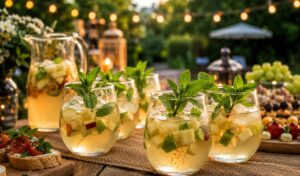
White sangria in its natural habitat: a warm evening, good company, and a pitcher that empties fast.
Whether it’s a backyard barbecue, a bridal shower, or a quiet Friday night on the porch, this pitcher is built to be shared—and built to disappear fast. Make it ahead, serve it with confidence, and watch it become the most popular pour at your party.