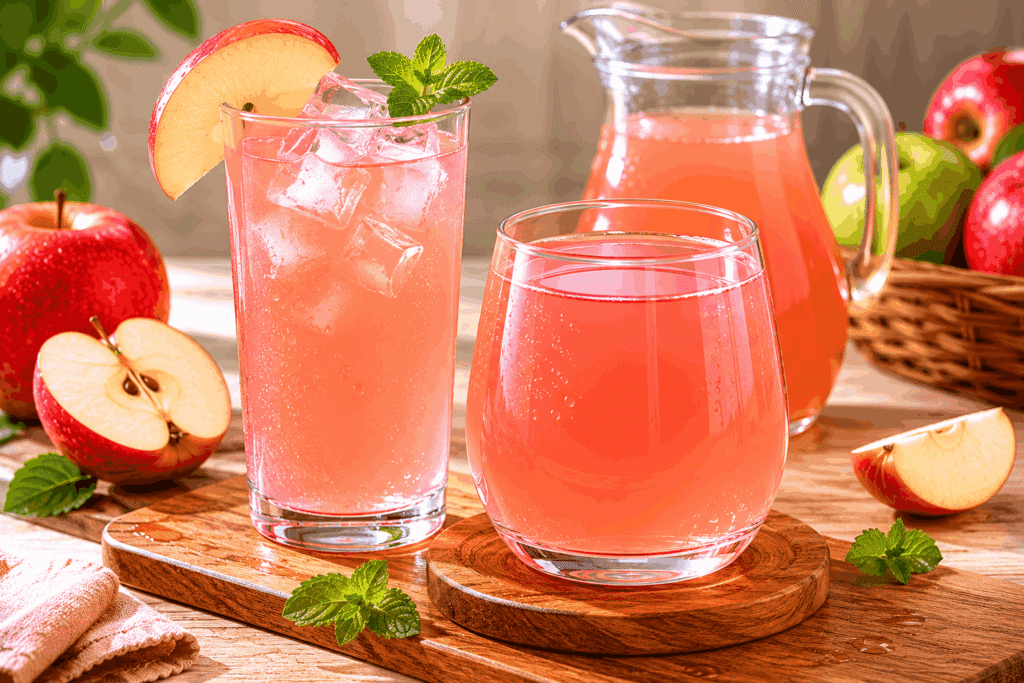
Apples and apple juice are kitchen staples for good reason: they're affordable, naturally sweet, and packed with nutrients that support everything from digestion to immune health. Whether you're blending a quick breakfast smoothie, batch-prepping healthy snacks, or crafting a refreshing afternoon drink, the recipes in this guide are designed to fit into real, busy lives. You'll find step-by-step instructions, practical tips for choosing quality juice, and honest answers to the most common questions—no fluff, just useful guidance you can use today.
Why Apples and Apple Juice Deserve a Place in Your Kitchen
Nutritional Benefits of Whole Apples
A medium apple (about 182 grams) provides roughly 95 calories, 4 grams of fiber, and 14% of your daily vitamin C needs. The fiber comes mostly from the skin—pectin, specifically—which feeds beneficial gut bacteria and helps regulate blood sugar. Apples also contain quercetin, catechin, and chlorogenic acid, antioxidants that research has linked to reduced inflammation and better heart health. The key is eating the whole fruit: when you peel an apple, you lose about half the fiber and a significant portion of the antioxidant content.
What You Actually Get from Apple Juice
Apple juice offers quick hydration and a concentrated source of natural sugars—about 24 grams of sugar per 8-ounce serving of 100% juice. It's not a fiber source (most commercial juice is filtered), but it does retain vitamin C and certain polyphenols. The USDA notes that 100% fruit juice can be part of a healthy diet when consumed in moderation—typically no more than 4 to 6 ounces per day for children and 8 ounces for adults. The key phrase is "100% juice": many products labeled "apple drink" or "apple cocktail" contain added sweeteners and only a fraction of real juice.
Fiber Content: Juice vs. Whole Fruit
This is the most important nutritional distinction. A whole apple contains about 4.4 grams of fiber, while a glass of apple juice contains less than 0.5 grams. If you're using juice in recipes, consider adding the apple skin (grated finely) or tossing in a handful of oats or chia seeds to compensate. For anyone focused on digestive health or blood sugar management, whole apples are almost always the better choice.
Easy Apples and Apple Juice Recipes
1. Apple Breakfast Smoothie (Ready in 5 Minutes)
Why this works: The banana adds creaminess and natural sweetness, so you don't need honey or sugar. The yogurt provides protein and probiotics.
Ingredients:
- 1 medium apple (any variety), cored and chopped (leave the skin on)
- 1 cup 100% apple juice (unsweetened)
- ½ ripe banana (fresh or frozen)
- ½ cup plain Greek yogurt (or dairy-free alternative)
- ¼ teaspoon cinnamon (optional)
Instructions:
- Add all ingredients to a blender.
- Blend on high for 30 to 45 seconds until completely smooth.
- Taste and adjust: if too thick, add a splash of apple juice or water; if not sweet enough, add half a date.
- Serve immediately over ice, or refrigerate in a sealed jar for up to 24 hours.
Pro tip: Freeze the chopped apple and banana pieces overnight in a zip-top bag—you'll get a thicker, frostier smoothie without diluting it with ice.
2. Fresh Apple Juice Cooler
Why this works: It's a zero-sugar, hydrating drink that's far more interesting than plain water. The lemon and mint balance apple's sweetness beautifully.
Ingredients:
- 1 cup 100% apple juice (chilled)
- ½ cup cold sparkling water or soda water
- Juice of ½ lemon (about 1 tablespoon)
- 4 to 5 fresh mint leaves
- Handful of ice cubes
- Thin apple slices and lemon wheels for garnish
Instructions:
- In a tall glass, gently muddle the mint leaves with a spoon (just a few presses to release the oils).
- Fill the glass with ice cubes.
- Pour in the apple juice, sparkling water, and lemon juice.
- Stir gently, garnish with apple slices and a lemon wheel, and serve immediately.
Variation: For an adult version, add 1 ounce of bourbon or vodka and skip the sparkling water—or keep it as-is for a family-friendly mocktail.
3. Apple Cinnamon Oatmeal (Stovetop or Overnight)
Why this works: The apples cook down into a natural compote, so you don't need added sugar. Cinnamon helps stabilize blood sugar and adds warmth without calories.
Stovetop method (10 minutes):
- 1 cup rolled oats (not instant)
- 1¾ cups water or milk (dairy or plant-based)
- 1 medium apple, diced small (skin on)
- ½ teaspoon cinnamon
- 1 tablespoon maple syrup or honey (optional)
- Pinch of salt
- Combine oats, liquid, salt, and diced apple in a small saucepan.
- Bring to a simmer over medium heat, then reduce to low.
- Cook, stirring occasionally, for 7 to 9 minutes until oats are tender and the apple pieces are soft.
- Stir in cinnamon and sweetener if using. Top with toasted walnuts or a splash of apple juice for extra moisture.
Overnight oats method (2 minutes prep):
- ½ cup rolled oats
- ½ cup milk or yogurt
- ¼ cup apple juice (unsweetened)
- ½ apple, grated
- ¼ teaspoon cinnamon
Mix all ingredients in a jar, refrigerate overnight, and eat cold or warm in the morning.
4. Baked Apple Slices with Cinnamon
Why this works: No added sugar, no oil, and the apples caramelize naturally in the oven. Perfect as a snack, dessert topping, or side dish for pork or chicken.
Ingredients:
- 2 medium apples (Honeycrisp or Fuji hold their shape well)
- 1 teaspoon cinnamon
- ½ teaspoon vanilla extract (optional)
- Pinch of salt
Instructions:
- Preheat oven to 375°F (190°C). Line a baking sheet with parchment paper.
- Core the apples and slice into ¼-inch rounds.
- In a bowl, toss slices with cinnamon, vanilla, and salt.
- Arrange in a single layer on the baking sheet. Bake 15 minutes, flip, then bake another 10 to 12 minutes until edges are golden.
- Let cool for 5 minutes—they crisp up slightly as they cool. Serve warm.
5. Apple Juice Gelatin Snacks (Kid-Friendly)
Why this works: A homemade alternative to sugary fruit snacks—you control exactly what goes in. No artificial colors or high-fructose corn syrup.
Ingredients:
- 2 cups 100% apple juice
- 2 tablespoons gelatin powder (like Knox, unflavored)
- 1 tablespoon maple syrup or honey (optional, depending on juice sweetness)
- Silicone molds or a 8×8 glass dish
Instructions:
- Pour ½ cup of the apple juice into a small bowl. Sprinkle the gelatin over it and let it bloom for 5 minutes (it'll look like a solid, wobbly mass).
- Heat the remaining 1½ cups apple juice in a small saucepan until steaming (do not boil).
- Pour the hot juice over the bloomed gelatin mixture and whisk until fully dissolved.
- Stir in sweetener if using.
- Pour into molds or a glass dish. Refrigerate at least 3 hours until firm.
- Pop out of molds or cut into small squares. Store in the fridge for up to 5 days.
What Is the Difference Between Apple Cider and Apple Juice?
This question comes up constantly, partly because labeling varies by region and partly because the two products really do look similar on grocery shelves.
Apple juice is filtered to remove pulp and sediment, then pasteurized to kill microorganisms. The result is a clear, consistent liquid with a mild flavor and a longer shelf life. Most commercial apple juice you buy at room temperature is this type.
Apple cider is less filtered—it retains more apple solids, which gives it a cloudy appearance and a richer, tangier flavor. In many parts of the U.S., "apple cider" refers to fresh, unfiltered juice that hasn't been pasteurized and must be refrigerated. However, some commercial ciders are also pasteurized. Always check the label if you're specifically looking for raw cider.
| Feature | Apple Juice (Filtered) | Apple Cider (Unfiltered) |
|---|---|---|
| Appearance | Clear, translucent | Cloudy, opaque |
| Filtration | Filtered thoroughly | Minimal or no filtration |
| Flavor | Mild, sweet | Tart, robust, more "apple" flavor |
| Processing | Pasteurized (shelf-stable) | Often raw or lightly pasteurized |
| Shelf life | Months (unopened) | 1 to 2 weeks (refrigerated) |
| Nutritional difference | Similar vitamin C; very low fiber | Slightly more polyphenols due to skin solids |
Bottom line: For cooking and smoothies, either works. For a more authentic "apple" flavor, choose cider. For a clean, neutral juice that mixes well with other flavors, stick with filtered apple juice.
Creative Health Drink Idea: Cranberry Juice and Apple Cider Vinegar
Wellness enthusiasts often combine tart juices with apple cider vinegar (ACV) for a metabolism-friendly beverage. The acidity of ACV complements cranberry's natural bitterness, and the apple undertones bridge the two flavors.
Basic recipe:
- 1 cup unsweetened cranberry juice
- 1 tablespoon raw, unfiltered apple cider vinegar (with the "mother")
- 8 to 10 ice cubes
- Optional: a squeeze of lemon, a pinch of cayenne, or a few fresh raspberries
Combine in a glass, stir well, and drink immediately. If the vinegar taste is too sharp, dilute with sparkling water or add ½ teaspoon of maple syrup. This drink is not a meal replacement—it's a refreshing, low-sugar beverage to enjoy as part of a balanced diet.
A common mistake is drinking ACV undiluted, which can erode tooth enamel and irritate the esophagus over time. Always dilute it in at least 8 ounces of liquid, and rinse your mouth with plain water afterward.
How to Choose Quality Apple Juice
Not all apple juice is created equal. Here's what to look for—and what to skip.
What to look for:
- 100% juice as the only ingredient. No "from concentrate" is fine, but "juice blend" often means cheaper fruits or added sugar.
- No added sugar—the ingredient list should say "apple juice" or "water, apple juice concentrate." That's it.
- Glass bottles or opaque cartons—light degrades polyphenols over time; these packages protect the juice better than clear plastic.
What to avoid:
- "Apple drink," "apple cocktail," or "apple flavored beverage" —these are sugar water with a tiny percentage of juice.
- High-fructose corn syrup, cane sugar, or fruit juice concentrate listed as added ingredients.
- Artificial colors or preservatives like Red 40 or sodium benzoate (unnecessary in a properly pasteurized juice).
For a trusted option, many families choose Apple & Eve juice because it's made from 100% fruit juice with no artificial flavors. (They offer several blends—check the nutrition label for added sugar, as some varieties mix in other fruit juices that may be sweeter.) Other reliable brands include Martinelli's and Lakewood Organic, both of which are widely available.
Common Mistakes When Cooking with Apples and Apple Juice
1. Using the wrong apple for the recipe.
- For baking and oatmeal: Honeycrisp, Fuji, or Braeburn hold their shape.
- For applesauce and smoothies: McIntosh or Gala break down quickly and add natural sweetness.
- For juice: Fuji and Gala are sweet; Granny Smith adds tartness.
2. Cooking apple juice too long. Heating juice reduces its flavor and vitamin C content. If you're using juice in a hot recipe (like oatmeal or a reduction sauce), add it toward the end of cooking and heat only until warm.
3. Assuming "no added sugar" means no sugar. 100% apple juice is naturally high in sugar. If you're monitoring blood sugar or calories, measure your portion. Half a cup (4 ounces) is a reasonable serving.
4. Storing cut apples incorrectly. Once cut, apples brown quickly due to oxidation. Toss slices in a bowl with a splash of lemon juice or apple juice to slow this down. Store in an airtight container in the fridge—they'll stay fresh for about 3 days.
FAQs
1. What are the main apple juice benefits? Apple juice provides quick hydration, natural carbohydrates for energy, and a modest amount of vitamin C and antioxidants. It is not a significant source of fiber.
2. What is the difference between apple cider and apple juice? Apple cider is unfiltered and often unpasteurized, giving it a cloudy appearance and a tangier, richer apple flavor. Apple juice is filtered, clear, and milder in taste.
3. Is Apple & Eve juice healthy? Many Apple & Eve products are 100% juice with no artificial flavors. The healthfulness depends on the specific product—check the label for added sugars or juice blends.
4. Can I drink apple juice every day? Yes, in moderation. Stick to 4 to 8 ounces of 100% juice per day, and prioritize whole fruit for fiber. Drinking more than that can contribute to excess sugar intake.
5. What apples are best for juice? Fuji, Gala, Honeycrisp, and Red Delicious are sweet and yield a flavorful juice. Granny Smith adds a tart contrast if you want a less sweet result.
6. Does apple juice contain fiber? No. Commercial apple juice is filtered to remove pulp, which also removes almost all of the insoluble and soluble fiber. Choose whole apples for fiber.
7. Can cranberry juice and apple cider vinegar be mixed? Yes. Many people combine unsweetened cranberry juice with a tablespoon of apple cider vinegar for a tart, refreshing beverage. Dilute the ACV in at least 8 ounces of liquid.
8. How long does fresh apple juice last? Fresh-pressed juice lasts 3 to 5 days in the refrigerator in a sealed container. Commercially pasteurized juice can last months unopened, but should be consumed within 7 to 10 days after opening.
Conclusion
Apples and apple juice are among the most versatile ingredients you can keep on hand. Whole apples deliver fiber and antioxidants that support long-term health, while a moderate glass of quality juice offers quick hydration and a concentrated apple flavor that works beautifully in smoothies, oatmeal, and even homemade fruit snacks. The key is knowing the difference between 100% juice and sugary imposters, matching the right apple variety to your recipe, and remembering that whole fruit and juice each have distinct roles in a balanced diet.
Start with one of the five recipes above—the smoothie is the quickest, the baked apple slices are the most versatile, and the gelatin snacks are a guaranteed hit with kids. Whichever you try, you'll be making a genuinely healthier choice without sacrificing flavor.
For more simple, wholesome meal ideas, explore our collection of versatile everyday recipes or browse quick 30-minute meal ideas for busy weeknights. For more inspiration, try pairing your apple creations with other wholesome dishes. A batch of homemade cinnamon rolls makes a perfect weekend pairing with fresh apple juice, while easy air fryer recipes offer a quick, healthy side to round out any meal built around apples. If you're looking to expand your breakfast or snack rotation, simple ground chicken recipes and one-pot pasta dishes both benefit from a side of baked apple slices or a small glass of juice.
The USDA's Dietary Guidelines for Americans emphasize that whole fruits should make up the majority of your fruit intake, with juice accounting for no more than half of your daily fruit servings. This is a practical benchmark: enjoy your apple juice, but let the whole apple—and the recipes above—do most of the work.



1 thought on “Apples and Apple Juice Recipes: Easy, Healthy, and Delicious Ideas”