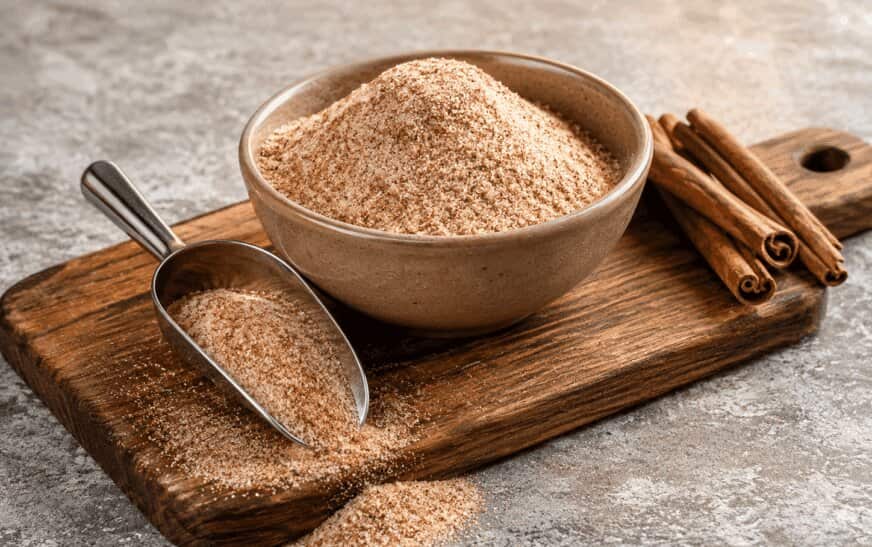
A good cinnamon sugar blend is one of those kitchen staples that seems simple but can make or break a dish. Dusted over buttered toast, swirled into morning oatmeal, or coating a batch of fresh doughnuts, it adds warmth and sweetness that feels both familiar and special. Yet most store-bought blends have been sitting on shelves for months, losing the volatile oils that give cinnamon its punch. The fix is embarrassingly easy: mix your own.
This homemade cinnamon sugar recipe takes less than two minutes, costs pennies, and delivers a vibrant flavour that no pre-packaged jar can match. You control the ratio, the cinnamon variety, and—most importantly—the freshness. Here is everything you need to know to make it perfectly every time. You can also read our guide on monkey bread recipe.
Why Homemade Beats Store-Bought Every Time
Commercial cinnamon sugar blends often contain anti-caking agents like silicon dioxide or cornstarch to prevent clumping during long storage. These additives dilute the flavour and leave a faint chalky texture on your tongue. Worse, ground cinnamon begins losing its primary aromatic compound—cinnamaldehyde—the moment it is ground. By the time a commercial jar travels from a warehouse to a supermarket shelf and sits in your pantry for months, much of that characteristic warmth has already faded.
A homemade batch, mixed fresh in your own kitchen, retains the full intensity of the cinnamon. You also get to choose your preferred variety and ratio, something no commercial product offers. The difference is immediately noticeable in any dish—from a simple bowl of oatmeal to a complex baked good. You can also read our guide on easy cottage cheese wrap.
The Best Cinnamon-to-Sugar Ratio
The classic ratio used by most bakers is 1 tablespoon of ground cinnamon per ¼ cup (50 g) of granulated sugar. This produces a blend with noticeable warmth that complements rather than overpowers. It is a reliable starting point for toast, baked goods, beverages, and everything in between.
| Desired Strength | Cinnamon per ¼ cup (50 g) Sugar |
|---|---|
| Mild (kid-friendly) | 1 teaspoon |
| Classic | 1 tablespoon |
| Bold | 2 tablespoons |
Start with the classic ratio and taste a small pinch. If you want more heat, stir in another ½ teaspoon at a time. If you prefer a gentler blend for delicate pastries or young children, reduce the cinnamon to 1 teaspoon. The best ratio is the one that suits your palate and the specific dish you are making. For a recipe that uses a classic cinnamon-sugar coating, try making your own cinnamon rolls from scratch—the blend is the star. You can also read our guide on meatloaf glaze recipe.
Ingredients You Need
Granulated white sugar — Standard white sugar dissolves evenly and provides neutral sweetness. Fine baker's sugar (sometimes labelled caster sugar) blends even more quickly because the crystals are smaller. Avoid powdered sugar—it contains cornstarch, which clumps when mixed with cinnamon and ruins the texture.
Ground cinnamon — Use fresh, high-quality cinnamon. Two main varieties exist:
- Ceylon cinnamon — often called "true" cinnamon — is milder, lighter in colour, and slightly sweeter. It contains lower levels of coumarin, a natural compound that the European Medicines Agency guidance on coumarin intake suggests may be worth moderating in very high quantities.
- Cassia cinnamon is darker, stronger, and more common in supermarkets. It is what most people think of simply as "cinnamon."
Both work well, but freshness is non-negotiable. If your cinnamon jar has been open for more than six months, replace it. The aroma should be intense and immediate when you open the lid. If it smells weak or dusty, the flavour will not carry through. You can also read our guide on homemade cinnamon roll recipe.
Step-by-Step Instructions
Step 1: Measure. Combine ¼ cup (50 g) granulated sugar and 1 tablespoon (7 g) ground cinnamon in a small bowl.
Step 2: Whisk or shake. Stir vigorously with a fork or small whisk until the cinnamon is fully incorporated—no streaks of brown or white should remain. For a faster method, place both ingredients in a sealed jar and shake for 15–20 seconds. This ensures even distribution and breaks up any small lumps.
Step 3: Transfer. Pour into an airtight container. A glass shaker jar with a flip-top lid works perfectly for everyday use. A small spice jar with a tight lid is fine too. You can also read our guide on healthy recipes.
Total time: less than 2 minutes. That is the entire process.
Tips for the Best Homemade Blend
Fresh cinnamon is everything. Ground cinnamon loses its volatile oils after about six months. Mark your spice jars with the purchase date to track how long they have been open. If you cannot remember when you bought it, replace it—the cost is minimal and the flavour difference is substantial. University extension resources on spice storage recommend keeping ground spices in a cool, dark place and replacing them annually.
Sift if clumpy. If your cinnamon has formed lumps—common when stored in a humid environment—push it through a fine-mesh strainer before mixing. This ensures even distribution and a smooth, consistent texture. You can also read our guide on gluten free dessert recipes.
Make small batches. A single batch (¼ cup sugar plus 1 tablespoon cinnamon) is enough for a week or two of regular use. Flavour peaks right after mixing and gradually fades. A common mistake is mixing a year's supply at once; the cinnamon simply loses its punch before you finish it.
Label with the date. Use a permanent marker on the bottom of the jar. This simple habit prevents you from wondering how old the blend is—and whether it is time to make a fresh one. You can also read our guide on minute meals.
Ways to Use Cinnamon Sugar
Breakfast Favourites
- Sprinkle over buttered toast, pancakes, waffles, or French toast
- Stir into oatmeal, cream of wheat, or yoghurt
- Top a bowl of fresh berries, sliced bananas, or diced apples
- Dust over a breakfast bowl with cottage cheese for a sweet-savoury start—pair it with a savoury cottage cheese wrap for a balanced meal
- Swirl into morning coffee or latte for a quick flavour boost
Desserts and Baked Goods
- Dust over cookies, muffins, coffee cakes, and doughnuts
- Use as a filling layer in cinnamon rolls or crumble toppings
- Coat apple slices before baking for a warm fruit dessert—try it with one of our apple-based desserts
- Add to streusel toppings for fruit crisps or cobblers
- Sprinkle over ice cream or rice pudding for a finishing touch
Snacks
- Toss with roasted nuts or popcorn for a sweet-salty crunch
- Roll homemade no-bake snack bites in cinnamon sugar for a quick coating
- Sprinkle over roasted sweet potato wedges or butternut squash
Savoury Applications
- Use as a dry rub for pork chops before pan-searing
- Dust over roasted carrots or acorn squash before serving
- Add a pinch to chilli or braised beans for warmth and depth
The versatility is genuinely remarkable. If you frequently cook from scratch, this blend pairs beautifully with your routine. Browse our full collection of recipes for more ideas on incorporating simple flavour boosters into everyday meals.
Cinnamon Sugar Variations
Vanilla cinnamon sugar. Add ½ teaspoon vanilla bean powder or scrape the seeds from a vanilla pod into the sugar before mixing. Let it sit for a day to infuse. The vanilla rounds out the cinnamon's sharp edges and adds a bakery-like sweetness.
Spiced cinnamon sugar. Combine 1 tablespoon cinnamon, ½ teaspoon nutmeg, and ¼ teaspoon allspice for a pumpkin-spice style blend. This works beautifully in fall baking and pairs well with roasted squash.
Brown sugar version. Substitute packed light brown sugar for deeper, molasses-like flavour. Brown sugar cinnamon sugar works especially well as a rub for meats or on top of toast with a dollop of homemade fig jam. Note that it will be slightly moister, so use it within a week or two.
Citrus cinnamon sugar. Add 1 teaspoon finely grated orange or lemon zest. Mix thoroughly and use within a few days—the zest can cause clumping over time. The citrus oils brighten the cinnamon beautifully and pair well with baked apples or pears.
Storage and Shelf Life
Store cinnamon sugar in an airtight container away from heat, light, and moisture. A cool, dark pantry or kitchen cabinet works best.
Shelf life: Up to 12 months when stored properly. However, while the sugar itself does not spoil, the cinnamon flavour will gradually fade after 6–9 months. For the best flavour, use within 6 months and mix a fresh batch when you notice the aroma weakening.
Signs of spoilage: Clumping due to moisture, loss of aroma, or a musty smell. Discard if any mould appears—this is rare but possible if moisture gets into the container.
For best results, label your container with the date and make a fresh batch when the aroma starts to fade. This is one of those small habits that makes a real difference in the kitchen.
Common Mistakes to Avoid
Using stale cinnamon. Old cinnamon lacks the volatile oils that give the blend its warmth. Always sniff before mixing. If the aroma does not hit you immediately, replace it.
Skipping the mix. A quick stir often leaves pockets of pure cinnamon. Whisk thoroughly or shake vigorously in a sealed jar for at least 15 seconds. The blend should look uniformly brown with no streaks.
Exposing to moisture. Never dip a wet spoon into the container. Moisture leads to clumps and can breed bacteria. Use a dry spoon every time—this is the most common reason a batch goes bad before it should.
Getting the ratio wrong. Too little cinnamon creates bland sugar; too much can taste harsh. Stick to the classic 1:4 ratio as a starting point and adjust from there. Taste as you go.
Frequently Asked Questions
Can I use powdered sugar instead of granulated?
No. Powdered sugar contains cornstarch and will clump when mixed with cinnamon. Stick with granulated for a free-flowing blend. If you need a finer texture, pulse granulated sugar in a spice grinder briefly.
How long does homemade cinnamon sugar last?
Properly stored in an airtight container, it stays fresh for up to 12 months. For the best flavour, use within 6 months. The sugar does not spoil, but the cinnamon aroma gradually weakens.
Can I make cinnamon sugar with brown sugar?
Yes. Light brown sugar adds a caramel-like depth. The blend will be slightly moister, so use it soon after mixing and store in a sealed jar. It works wonderfully as a rub for pork or sweet potatoes.
What is the best ratio for a strong cinnamon flavour?
A bold ratio is 2 tablespoons of cinnamon per ¼ cup of sugar. Taste as you go—some cinnamon varieties, especially Cassia, can become bitter at high levels.
Is cinnamon sugar gluten free?
Yes, as long as the cinnamon and sugar are certified gluten free. Pure cinnamon and sugar are naturally gluten free, but cross-contamination can occur during processing. Check labels if you have celiac disease.
Can I use cinnamon sugar in savoury dishes?
Absolutely. It pairs well with roasted sweet potatoes, carrots, butternut squash, and pork chops. Try a light dusting on roasted vegetables for a surprising sweet-savoury twist. It also works as a quick rub before baking.
How do I make larger batches for gifting?
Simply scale the ratio up. For a gift-sized jar, use 1 cup (200 g) sugar with ¼ cup (28 g) cinnamon. Layer the mixture in a decorative jar, attach a label with the date and suggested uses, and it makes a thoughtful homemade gift.
Conclusion
Making this cinnamon sugar recipe takes less than two minutes and gives you a fresh, customisable blend that outperforms anything pre-packaged. Whether you are topping a warm bowl of oatmeal, finishing a batch of muffins, or experimenting with a spicy rub, your homemade mixture ensures every sprinkle delivers the perfect balance of sweetness and warmth.
Keep a jar handy—you will find yourself reaching for it far more often than you expect. Once you taste the difference, you will never go back to store-bought. Whisk up a batch now and start experimenting with your favourite breakfasts, desserts, and snacks. For quick weekday meals that pair beautifully with this versatile blend, browse our collection of 30-minute meals.


1 thought on “Cinnamon Sugar Recipe: Easy Homemade Blend in 2 Minutes”