A good recipe for risotto with butternut squash balances sweet, earthy squash flavor with creamy, al dente rice, no restaurant skills required. Most home cooks run into grainy undercooked rice or watery, mushy squash that dilutes creaminess. Small tweaks to ingredients and method eliminate these issues.
You can pull this dish together on a weeknight with pantry staples.
Per USDA seasonal data, butternut squash peaks in sweetness and affordability from September to February. Roasting it reduces excess moisture and adds caramelized depth. The right rice variety and warm broth separate gummy risotto from restaurant-quality creaminess.
Let’s break down the key choices that make this recipe work.
Quick Answer: This Creamy Butternut Squash Risotto Takes 35 Minutes Total and Requires No Special Skills
This recipe for risotto with butternut squash serves 4 and takes 35 minutes total. It uses arborio or carnaroli rice, roasted butternut squash, and common pantry staples. The finished dish has a creamy all’onda texture with a slight al dente rice bite.
No special equipment or professional skills are needed. It works as a vegetarian main or a side for roasted meats.
Why Your Ingredient and Method Choices Make All the Difference for Butternut Squash Risotto
Butternut squash contains high natural sugar and moderate moisture content. Boiling the squash releases excess water into the risotto. This creates a runny, diluted final texture.
Roasting caramelizes its natural sugars and reduces moisture. You get deeper flavor and firmer, distinct squash pieces as a result.
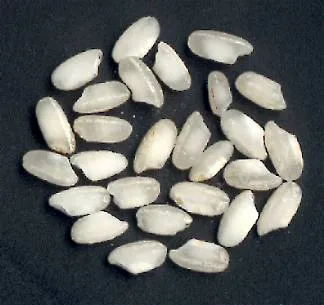
Arborio rice is widely available and releases enough starch for reliable creaminess. Carnaroli has higher starch content for an ultra-creamy, firm al dente bite.
Warm broth is non-negotiable. Cold liquid shocks the rice and leads to uneven, grainy cooking.
These small, intentional choices eliminate common risotto failures. You don’t need professional skills to get consistent results at home.
Side-by-Side Comparison of Top Butternut Squash Risotto Options
The right ingredient and method pick depends on your time, skill level, and flavor preferences. Use this table to match your needs to the best option.
| Option | Best For | Prep Time | Texture Outcome | Flavor Profile |
|---|---|---|---|---|
| Arborio rice | First-time cooks, grocery store accessibility | 5 minutes | Creamy, slightly chewy | Neutral, absorbs other flavors well |
| Carnaroli rice | Experienced cooks, extra creamy texture | 5 minutes | Ultra-creamy, firm al dente core | Nutty, holds shape during long cooks |
| Roasted butternut squash | Deep, caramelized flavor, firmer squash pieces | 30 minutes (plus 10 minutes prep) | Firm, distinct squash chunks | Sweet, nutty, caramelized edges |
| Boiled butternut squash | Quick prep, soft squash texture | 15 minutes | Soft, slightly mushy | Mild, less caramelized |
| Stovetop method | Traditional texture, small batches | 35 minutes active | Classic all’onda creaminess | Rich, evenly incorporated |
| Instant Pot method | Busy weeknights, hands-off cooking | 10 minutes active | Slightly thinner, still creamy | Mild, less starch release |
Arborio rice is the best pick for most home cooks. It’s easy to find in any grocery store and forgiving of small timing errors. Carnaroli is worth seeking out if you want restaurant-level creaminess and don’t mind paying a small premium.
Roasted squash wins for flavor depth, especially if you’re making this dish for a dinner party. Boiled squash works if you’re short on prep time and prefer soft, melt-in-your-mouth squash pieces.
The stovetop method delivers the classic risotto texture most people expect. The Instant Pot cuts active cooking time in half, but it produces a slightly thinner consistency with less starch incorporation. For more hands-off stovetop meals, check out our simmer pot recipe collection.
Best Butternut Squash Risotto Choices for Every Home Cook Situation
Match your setup to your needs for consistent, low-stress results.
Weeknight family dinner
Use pre-cut roasted butternut squash, arborio rice, and the stovetop method. Total active time is 20 minutes, perfect for busy evenings. This fits seamlessly into our quick weeknight staple lineup for hectic weeknights.
Meal prep for work lunches
Choose carnaroli rice and roasted squash. The firmer rice texture holds up better when refrigerated and reheated. Your risotto won’t turn gummy after a few days in the fridge.
Vegetarian main course
Add toasted walnuts and extra Parmigiano-Reggiano for extra protein and richness. Serve with a side of crispy roasted vegetable sides for a balanced, filling meatless meal.
Thanksgiving or holiday side dish
Use roasted squash and top with sage brown butter for a festive, flavorful side. It pairs perfectly with juicy roasted chicken thighs or roasted turkey for a full holiday spread.
Gluten-free diet
Swap standard arborio rice for certified gluten-free short-grain risotto rice. Use low-sodium gluten-free vegetable broth. All other core ingredients are naturally gluten-free, so the dish stays safe for gluten-sensitive diners.
Ingredient List for 4 Servings of Butternut Squash Risotto
As of 2026, pre-cut butternut squash is available year-round in nearly all US grocery stores, cutting prep time by 10 minutes or more. Use this exact list to avoid common texture and flavor mistakes.
| Ingredient | Amount | Notes |
|---|---|---|
| Arborio or carnaroli rice | 1.5 cups | Short-grain, high-starch variety; do not use long-grain rice |
| Roasted butternut squash, cubed | 2 cups | Pre-cut saves 10 minutes of prep time; peel and cube fresh squash if preferred |
| Low-sodium vegetable broth | 4 cups | Keep warm on a back burner while cooking; swap for halal-certified low-sodium chicken broth for halal diets |
| Dry white cooking wine | ½ cup | Alcohol evaporates fully during cooking; use extra low-sodium broth for an alcohol-free version |
| Unsalted butter | 3 tbsp | Divided: 2 tbsp for toasting rice, 1 tbsp for finishing |
| Yellow onion, finely diced | 1 medium | |
| Garlic, minced | 2 cloves | |
| Parmigiano-Reggiano, freshly grated | ½ cup | Pre-grated cheese contains anti-caking agents that create a grainy texture |
| Kosher salt | 1 tsp | Reduce if using full-sodium broth |
| Freshly ground black pepper | ½ tsp | |
| Ground nutmeg | ¼ tsp | Enhances the squash’s natural sweetness |
Per USDA seasonal produce data, fresh butternut squash is at its peak from September to February, so it will have the sweetest flavor and lowest cost during those months. Store leftover broth and cooked squash in airtight containers in the refrigerator for up to 3 days, per FSIS food safety standards. For more grain-based weeknight meals, check out our orzo recipe collection.
For more vegetarian main ideas, browse our full recipe hub.
Equipment You’ll Need
You don’t need fancy gear to make great risotto. Most tools are already in your kitchen. A heavy-bottomed 3 to 4 quart saucepan is the only essential specialized item.
It distributes heat evenly to prevent scorching the rice.
You’ll also need a ladle for adding warm broth, a sharp chef’s knife, a cutting board, and a vegetable peeler. A small bowl to hold broth keeps your workspace tidy. A wooden spoon works best for stirring, as metal can damage the pan surface.
Optional tools include kitchen shears for opening pre-cut squash bags, and a box grater for fresh Parmigiano-Reggiano. Pre-grated cheese works in a pinch, but fresh grating melts far smoother. If you prefer the Instant Pot method, you’ll need a 6-quart model with a sauté function.
Step-by-Step Instructions for Creamy Butternut Squash Risotto
This method takes 35 minutes total, with 20 minutes of active cooking time. If you’re using pre-roasted butternut squash, skip the first roasting step.
Start by warming 4 cups low-sodium vegetable broth in a small saucepan over low heat. Keep it simmering gently for the entire cooking process. Cold broth drops the pan temperature and leads to uneven, grainy rice.
If your squash is not pre-roasted, peel, seed, and cube 1 small butternut squash into ½-inch pieces. Toss with 1 tsp olive oil, a pinch of salt, and pepper. Roast at 400°F for 25 to 30 minutes until tender and caramelized at the edges.
While the squash roasts, melt 2 tbsp unsalted butter in your heavy-bottomed saucepan over medium heat. Add 1 diced medium yellow onion and a pinch of salt. Cook for 3 to 4 minutes until soft and translucent, stirring occasionally.
Add 2 minced garlic cloves and cook for 30 seconds more, until fragrant. Do not let the garlic brown, as it turns bitter quickly.
Add 1.5 cups arborio rice to the pan. Stir to coat every grain in butter. Toast the rice for 1 to 2 minutes, until the edges look slightly translucent and it smells nutty.
This step kickstarts starch release, which creates the creamy base of the risotto. Per International Rice Research Institute guidelines, toasting high-amylopectin short-grain rice like arborio improves starch absorption for a smoother final texture.
Pour in ½ cup dry white cooking wine. Stir constantly until the wine is fully absorbed by the rice. The alcohol evaporates completely during this step, leaving only a bright, subtle flavor.
If you avoid alcohol, swap the wine for an extra ½ cup of low-sodium vegetable broth.
Add warm broth one ladleful at a time, stirring frequently. Wait until each ladle is almost fully absorbed before adding the next. Continue this process for 18 to 20 minutes, until the rice is tender with a firm al dente bite.
The risotto should have a creamy, pourable consistency, not stiff or dry.
When the rice is done, fold in 2 cups roasted butternut squash, ½ cup freshly grated Parmigiano-Reggiano, 1 tbsp unsalted butter, and ¼ tsp ground nutmeg. Stir gently to combine, taking care not to mash the squash pieces. Taste and adjust salt and pepper as needed.
Let the risotto rest for 2 minutes before serving, as it will thicken slightly off the heat.
Common Mistakes That Make Butternut Squash Risotto Mushy or Grainy
Most risotto failures come from small, avoidable errors. Fixing these will give you consistent, restaurant-quality results every time.
- Adding cold broth: Cold liquid shocks the rice, leading to uneven cooking and a gummy texture. Always keep broth warm on a separate back burner.
- Over-stirring: Aggressive stirring breaks rice grains and releases too much starch, making the risotto gluey. Stir gently and only as needed to prevent sticking.
- Adding squash too early: Fold roasted squash in during the last 2 minutes of cooking. Adding it earlier causes it to disintegrate into the risotto, making it mushy.
- Using long-grain rice: Long-grain varieties like basmati lack the high starch content needed for creamy risotto. Stick to arborio, carnaroli, or vialone nano rice.
- Skipping the toast step: Toasting the rice in butter before adding liquid kickstarts starch release. Skipping this leads to bland, separate grains with no creaminess.
- Overcooking the rice: Risotto should have a firm al dente bite, not soft and mushy. Taste test a grain 2 minutes before you think it’s done to catch it at the right texture.
If your risotto turns out too thick, stir in a splash of warm broth before serving. If it’s too runny, cook for 1 to 2 more minutes to let excess liquid evaporate. These fixes work even if you made a small mistake mid-cook.
Expert Tips to Cut Prep Time and Boost Flavor
You don’t need to spend an hour in the kitchen to make great risotto. These tested tips cut prep time in half and add depth of flavor without extra work.
- Roast butternut squash 1 to 2 days ahead: Store roasted cubes in an airtight container in the fridge for up to 3 days. This cuts active prep time by 10 minutes on the day you make the risotto.
- Buy pre-cut squash: Most US grocery stores sell peeled, cubed butternut squash year-round. It costs a small premium, but it eliminates the most time-consuming prep step.
- Grate your own Parmigiano-Reggiano: Pre-grated cheese contains anti-caking agents that create a grainy texture and mute flavor. Fresh grating melts smoothly and adds far more umami.
- Finish with a splash of cream: For extra richness, stir in 2 tbsp heavy cream during the last minute of cooking. This is optional, but it adds a luxurious, velvety texture.
- Add fresh herbs: Stir in 1 tbsp chopped fresh thyme or sage just before serving. Fresh herbs add brightness that cuts through the rich, creamy base.
For even faster weeknight meals, browse our 30-minute meal collection for other quick, reliable recipes. If you prefer one-pot meals that require even less active work, check out our one-pot pasta lineup for a similar low-effort, high-reward option.
Easy Dietary Swaps and Serving Variations
This recipe is easy to adapt for almost any dietary need or flavor preference. Most swaps take 10 seconds or no extra work at all.
Gluten-free adaptation
This recipe is naturally gluten-free as long as you use certified gluten-free risotto rice and low-sodium vegetable broth. All core ingredients contain no gluten, so no other swaps are needed for gluten-sensitive diners.
Vegan adaptation
For a vegan version, swap unsalted butter for olive oil and Parmigiano-Reggiano for ¼ cup nutritional yeast mixed with 1 tbsp olive oil. The nutritional yeast adds a similar umami, cheesy flavor without dairy.
Halal adaptation
Use halal-certified low-sodium chicken broth instead of vegetable broth for a richer, non-vegetarian version. You can also add diced halal-certified Italian sausage or chicken for extra protein.
Add-in ideas
Toasted walnuts, crispy fried sage, and brown butter all pair beautifully with the sweet, earthy squash flavor. For a protein boost, top with a fried egg or cooked halal chicken breast.
Serving suggestions
Serve as a vegetarian main with a side of crispy roasted air fryer vegetables for a balanced, filling meal. It also works perfectly as a Thanksgiving side dish, paired with roasted turkey or juicy baked chicken thighs. For a lighter option, serve small portions as a starter for a dinner party.
How to Store, Reheat, and Freeze Leftover Butternut Squash Risotto
Store leftover risotto in an airtight container in the refrigerator for 3 to 4 days. Discard any leftovers left at room temperature for more than 2 hours, per USDA food safety standards. The creamy texture will thicken when chilled, which is normal.
To reheat, transfer the risotto to a small saucepan. Add 1 to 2 tbsp of warm low-sodium vegetable broth. Warm over low heat, stirring gently, until heated through to an internal temperature of 165°F.
Avoid high heat, as it will make the rice gummy.
To freeze, portion cooled risotto into airtight freezer-safe containers. Freeze for up to 2 months. Thaw it in the refrigerator overnight before reheating.
Freezing may slightly soften the rice texture, but the flavor remains excellent for up to 2 months.
Estimated Nutrition Per Serving
A standard side serving of butternut squash risotto, approximately ¾ cup, has an estimated 210 calories. It contains 8g total fat, 28g total carbohydrates, 6g protein, and 2g dietary fiber. These numbers are approximate and vary based on exact ingredient brands and any add-ins like extra cheese, heavy cream, or halal-certified Italian sausage.
The dish is naturally gluten-free when using certified gluten-free risotto rice and low-sodium gluten-free broth. It works as a vegetarian main when served without meat additions.
Frequently Asked Questions About Butternut Squash Risotto
Can I make butternut squash risotto ahead of time?
Yes, prepare it up to 1 day in advance. Store it in an airtight container in the refrigerator. Reheat gently on the stovetop with a splash of warm broth to restore its creamy consistency.
It will thicken when chilled, so adding a small amount of liquid when reheating is necessary.
Can I use frozen butternut squash for risotto?
Yes, use pre-cubed frozen butternut squash to cut prep time. Thaw it first and pat it dry to remove excess moisture. Roast it as directed for caramelized flavor, or fold it in during the last 2 minutes of cooking for a softer, less roasted taste.
Why is my risotto not creamy?
Creamy risotto requires warm broth, short-grain high-starch rice, and gradual liquid addition with gentle stirring. Cold broth, skipping the rice toast step, or using long-grain rice are the most common causes of a thin, grainy result. Stick to the step-by-step method for reliable texture every time.
Can I make butternut squash risotto without wine?
Yes, swap the ½ cup dry white wine for an extra ½ cup of low-sodium vegetable broth. The wine adds bright acidity, but the sweet roasted squash and nutty Parmigiano-Reggiano keep the dish deeply flavorful without it. This swap works for alcohol-free diets or if you don’t keep cooking wine on hand.
Final Recommendation: The Best All-Around Butternut Squash Risotto Setup for Most Home Cooks
For most home cooks, the best all-around setup is arborio rice, pre-roasted butternut squash, and the stovetop method. Arborio is widely available in US grocery stores and forgiving of small timing errors. Pre-roasted squash cuts prep time in half without sacrificing the caramelized flavor that makes this dish special.
This combination delivers consistent, restaurant-quality creaminess in 35 minutes total, no special skills required. It works as a vegetarian main, a Thanksgiving side, or a quick weeknight meal. For more reliable, tested recipes for every occasion, browse our full recipe collection.
If you’re short on time, check out our 30-minute meal lineup for other fast, crowd-pleasing options.